


Top Radio Frequency Treatment Devices for Global Buyers
Radio frequency treatment has become a visible part of the global aesthetic-device market, but device choice should begin with clinical purpose—not a sales claim. The ISAPS Global Survey 2023 recorded approximately 19.1 million nonsurgical aesthetic procedures worldwide. That figure is not specific to radiofrequency, but it shows the scale of demand for nonsurgical care. Buyers still need to distinguish among skin tightening, fractional resurfacing, and other radiofrequency applications.
For procurement context, the survey is useful alongside technical documentation and independent clinical evidence. FDA guidance on radiofrequency microneedling also highlights the need to understand device risks and intended use. A polished brochure is not enough. Buyers should compare energy controls, treatment depth, applicator design, training, maintenance, and published evidence for the precise indication. Small details matter: a clear display, secure handpiece connection, and accessible service support can shape daily workflow.
Dermatologist and laser specialist Dr. Michael H. Gold’s clinical perspective can be summarized simply: match the technology to the treatment goal and patient, rather than forcing the goal to fit the device. That is a paraphrase, not a verbatim quotation. The distinction matters. This guide will assess leading radio frequency treatment devices through practical features, evidence, usability, and support. No single platform suits every clinic. Buyers should verify claims against current documentation and local requirements before purchasing.
How Radio Frequency Treatment Devices Work
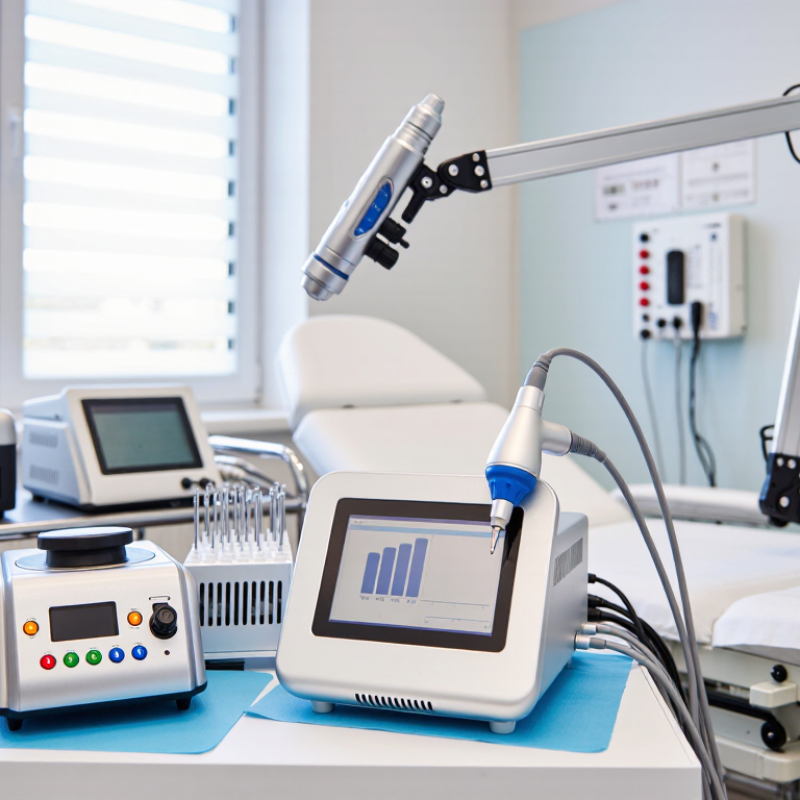
Radio frequency treatment devices deliver alternating electrical energy through electrodes. In tissue, that energy meets electrical resistance and produces heat. The effect is local, not a beam of light: a practitioner may feel a warm handpiece moving across the skin while sensors track temperature and contact. Frequency, electrode layout, and treatment time influence where heat builds. The International Telecommunication Union defines radio frequencies as 3 kHz to 300 GHz; therapeutic devices use selected bands within this wide spectrum. Frequency alone does not predict treatment depth or outcome.
Controlled heating can temporarily alter collagen structure and may stimulate later remodeling. But “more heat” is not a shortcut to better results. Excess energy can cause pain or burns, while uneven contact may create hot spots. A 2018 review in the Journal of Cosmetic Dermatology describes radiofrequency as a non-invasive skin-tightening approach, while noting variation in devices and clinical protocols. That variation matters. During treatment, providers should assess skin response, monitor energy delivery, and adjust settings to the individual rather than rely on a fixed recipe. Published evidence does not make every device or treatment plan equivalent, and outcomes can differ with anatomy, technique, and follow-up.
Top Radio Frequency Treatment Devices for Global Buyers - How Radio Frequency Treatment Devices Work
Radiofrequency (RF) treatment devices deliver alternating electrical current to tissue. Tissue resistance converts some of that energy into heat. The device design, electrode arrangement, treatment settings, and contact with the tissue influence where and how that heat is produced. The categories below describe common device types, not a brand ranking.
| Device category | How the RF energy is delivered | Common treatment context | What buyers should compare | Important considerations |
|---|---|---|---|---|
| Monopolar RF | Current passes from an active treatment electrode through tissue to a separate return electrode. Heating depends on the electrode design, settings, and tissue characteristics. | Aesthetic skin treatments and other uses specified by the device’s regulatory labeling. | Return-electrode requirements, energy controls, temperature monitoring, applicator options, and validated treatment protocols. | Correct placement and skin contact matter. Follow the device instructions and local rules for operator qualifications. |
| Bipolar RF | Current flows between two electrodes in the treatment applicator. Energy is concentrated in the tissue between or near those electrodes. | Aesthetic applications where the device is cleared or authorized for the intended use. | Electrode spacing, applicator shape, contact method, energy adjustment, and built-in temperature or impedance monitoring. | The treated area and heating pattern vary by applicator and settings; do not assume identical performance across systems. |
| Multipolar RF | Multiple electrodes operate in selected combinations. Current travels through tissue between active electrodes; the exact pattern depends on the system’s design and control method. | Aesthetic treatments using multi-electrode applicators. | Electrode configuration, treatment coverage, temperature control, consumables, and availability of service and training. | “Multipolar” does not by itself specify treatment depth or outcome. Check technical documentation and clinical evidence for the exact model. |
| Fractional RF microneedling | Needles enter the skin and deliver RF energy at selected depths, creating small zones of thermal effect around the electrodes while leaving untreated tissue between zones. | Skin procedures performed by appropriately trained professionals, subject to local authorization and device labeling. | Adjustable needle depth, insulated or non-insulated needle design, pulse controls, cartridge traceability, and infection-control requirements. | Needle procedures carry risks such as pain, bleeding, infection, burns, and pigment changes. Use sterile, single-use components when specified by the manufacturer. |
| Medical RF ablation system | An electrode delivers RF current into a targeted area. Resistive heating can produce localized tissue coagulation; electrode placement and energy delivery are guided by the clinical procedure. | Medical procedures such as certain cardiac or tumor ablation treatments, depending on the system’s specific authorization. | Indication-specific approval, compatible electrodes and catheters, monitoring functions, clinical support, and applicable electrical-safety compliance. | This is a medical-device category, not a general-purpose aesthetic treatment device. Use is restricted to the labeled indication and qualified clinical settings. |
Buyer note: RF frequency, power, treatment depth, and operating method vary by device and intended use; there is no single specification that applies to every RF system. Before purchase, verify the product’s regulatory status in the destination market, technical specifications, labeling, training requirements, maintenance support, and availability of compatible consumables. This table is for general information and is not medical advice.
Related Posts
-

China Top 10 Radiofrequency Facial Machine Manufacturers
-
7 Best Tripolar RF Machines for Global Buyers?
-
Top 10 TriPollar Radiofrequency Machines for Global Buyers
-
7 Best Pollogen Machines for Clinics in 2026?
-
China Top Tripollar Radio Frequency Manufacturers?
-
Why Choose a Pollogen Machine for Your Clinic?


