China Top 10 Radiofrequency Facial Machine Manufacturers
China’s radiofrequency facial industry has grown from a low-cost equipment market into a more technically capable manufacturing sector. Today, leading suppliers offer monopolar, bipolar, multipolar, and fractional RF platforms for clinics, medical spas, and professional skincare centers. However, a polished screen and attractive casing do not prove clinical value. Buyers should examine energy stability, electrode design, cooling systems, skin-temperature monitoring, and electrical safety documentation.
This guide reviews ten prominent Chinese manufacturers associated with radiofrequency facial equipment. It considers manufacturing experience, product development, quality-control procedures, certifications, clinical support, operator training, and international service capacity. Important details often hide behind the brochure. Can the device maintain consistent energy during a treatment? Does the handpiece feel balanced after ten minutes? Are replacement parts available without long delays? These practical questions matter.
As aesthetic physician Dr. Shino Bay Aguilera has said, “Technology should serve the patient, not replace clinical judgment.” That principle remains relevant when comparing RF platforms. A manufacturer may provide impressive specifications, yet still need stronger published evidence or clearer treatment protocols. This is not a flaw to ignore. It is a limitation worth recognizing.
The companies discussed here are not presented as universally superior. Their strengths may differ across design, reliability, customization, pricing, and regulatory readiness. Readers should verify current certificates, regional requirements, warranty terms, and distributor qualifications before purchasing. Used correctly, radiofrequency facial technology can support controlled skin-heating procedures. Used carelessly, it can create inconsistent results and avoidable safety concerns.
What Are Radiofrequency Facial Machines?
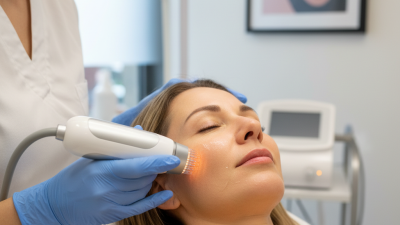
Radiofrequency facial machines deliver controlled electromagnetic energy into the skin. This energy creates gentle heat within targeted tissue layers. The warmth may support collagen remodeling and produce a temporary tightening effect. It does not replace surgery or correct every skin concern.
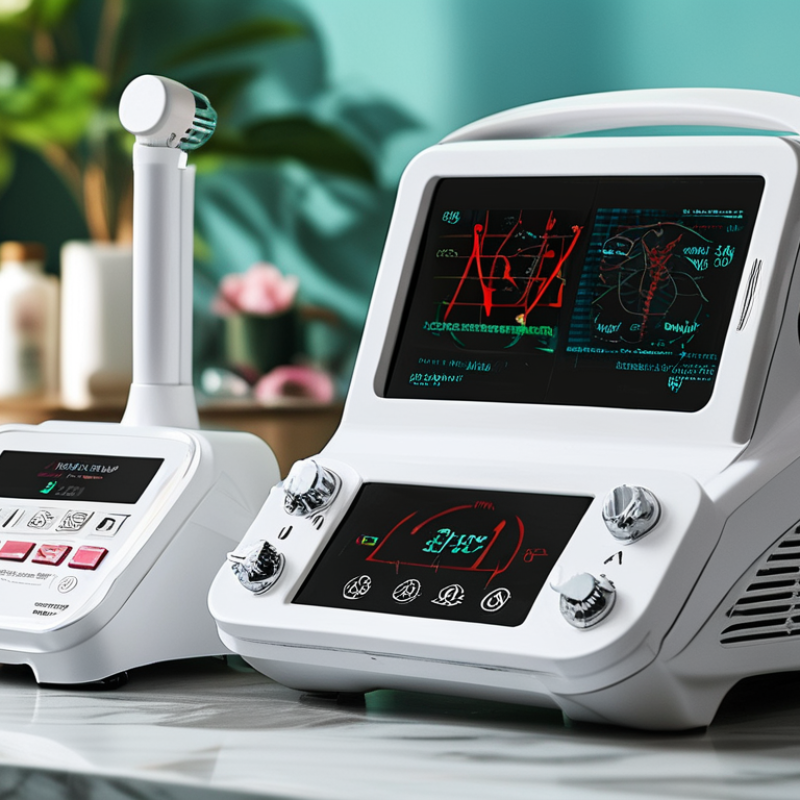
Different systems use monopolar, bipolar, or multipolar energy. Their penetration, heating patterns, and treatment sensations can vary. Some machines include cooling tips, temperature sensors, or impedance monitoring. These features help practitioners control energy more carefully. In clinic use, skin contact matters greatly. Uneven contact can create uneven heating. That detail is easy to overlook.
Results depend on skin condition, treatment settings, and individual response. I would not treat every device as equivalent. A lower-cost machine may still perform well, but its testing records deserve close review. Responsible manufacturers should provide clear technical data, operator training, maintenance guidance, and documented safety testing. Practitioners should check skin sensitivity, implanted electronic devices, active irritation, and relevant medical history before treatment. Temporary redness or warmth can occur. Burns are uncommon when trained professionals follow proper protocols, but they remain possible. Marketing language often sounds more certain than clinical evidence. Careful evaluation is still needed.
How to Evaluate China’s Radiofrequency Facial Machine Manufacturers
China Top 10 Radiofrequency Facial Machine Manufacturers
How to Evaluate China’s Radiofrequency Facial Machine Manufacturers
Choosing a reliable manufacturer requires more than comparing catalog prices. Review the factory’s production history, engineering team, and quality-control records. Ask how each radiofrequency unit is calibrated before shipment. Request batch records, inspection photos, and test reports from independent laboratories.
Check technical details carefully. The stated frequency should remain stable during treatment. Output control must be precise, while temperature sensors should respond quickly to skin-contact changes. Examine handpiece materials, cable durability, and cooling performance during a live demonstration. Small details matter. A loose connector can disrupt an otherwise impressive sample.
Verify electrical safety and electromagnetic compatibility documents for your target market. Quality systems such as ISO 13485 may support stronger traceability, but certification alone proves little. Visit the factory when possible. Observe incoming-material checks, assembly stations, aging tests, and final inspections. Ask who handles calibration and how often equipment is replaced. Paperwork can look polished and still hide weak processes. No factory is flawless. What matters is whether problems are recorded, corrected, and openly explained. Request a pilot order before committing to large quantities. Evaluate packaging, delivery consistency, user instructions, warranty response, and technical training. A manufacturer that answers difficult questions clearly is often more dependable than one offering the lowest quotation.
China’s Top 10 Radiofrequency Facial Machine Manufacturers
China’s Top 10 Radiofrequency Facial Machine Manufacturers
China’s top 10 radiofrequency facial machine manufacturers are often judged by safety, engineering, and export reliability. A serious review should examine temperature control, electrode stability, user training, and after-sales support. Public records matter more than polished brochures. Grand View Research reported that the global skin tightening market reached about USD 2.1 billion in 2023, with continued growth expected through 2030. Fortune Business Insights also identifies rising demand for non-invasive aesthetic procedures as a major market driver. These figures show opportunity, but they do not prove every device performs equally.
Tips: Check ISO 13485 certification, IEC 60601 test evidence, calibration records, and clear operating instructions. Ask for sample testing before placing a large order. Confirm whether the supplier supports private-label documentation and local regulatory requirements. A lower quotation can hide weak components, limited training, or expensive replacement parts. Hands-on testing is still essential.
The strongest manufacturers usually provide adjustable energy levels, stable contact sensors, insulated handpieces, and emergency shut-off functions. They should explain treatment parameters in plain language. They should not promise permanent results. That claim deserves skepticism. Some ranking articles also use unclear selection methods, so buyers should compare factory audits, independent test reports, warranty terms, and verified export experience. I have found that small details matter: connector quality, screen response, cleaning design, and the consistency of heat across the treatment head. No supplier is perfect, and technical documentation may still need improvement. Reliable evaluation takes time.
Regulations, Quality Control, and Purchasing Considerations
When evaluating China’s top radiofrequency facial machine manufacturers, regulatory discipline should come before price. Confirm whether the device is classified as cosmetic or medical equipment in your target market. The classification depends on its intended use and advertising claims. Request product registration details, declarations of conformity, risk-management files, and electrical safety test reports. For medical applications, evidence aligned with relevant IEC standards and ISO 13485 quality systems can support a more reliable assessment. Requirements differ by country.
Quality control must be visible, not merely promised. Ask for serial-number traceability, incoming-material inspections, calibration records, and final performance tests. Check whether radiofrequency output, skin temperature, contact detection, and emergency shutoff work consistently. Review sample reports from several production batches. One sample can look excellent. Production consistency matters more. A certificate alone proves little without matching test records and clear technical files.
Purchasing decisions should include factory audits, operator training, warranty terms, spare-part availability, and software-update procedures. Examine the handpiece cable, cooling surface, and user interface during a live demonstration. Ask how complaints are investigated and documented. Clarify who handles import compliance, labeling, manuals, and post-sale technical support. Low pricing may hide weak calibration or limited service capacity. I would also leave room for uncertainty: remote audits cannot reveal every process weakness, and translated documents may omit important details. Independent inspection before shipment is often worth the additional cost.