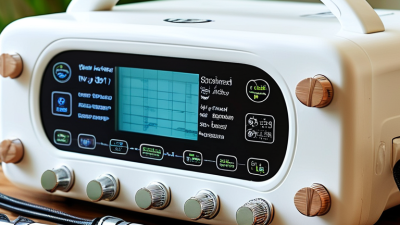
Why Choose a Pollogen Machine for Your Clinic?
Choosing a pollogen machine for your clinic is a practical decision, not just a branding choice. The right system should fit your services, staff experience, treatment room, and clients’ needs. A polished console may look impressive, but daily usability matters more. Consider how easily staff can follow treatment protocols, clean the equipment, and explain expected results to clients.
Details matter. Pollogen devices and configurations may differ, so review the specifications for the exact model you are considering. Ask the supplier about training, maintenance, warranty coverage, consumables, and technical support. Request current manufacturer documentation, and check whether the device’s intended uses align with your clinic’s services and local requirements. These steps can help you assess the investment without relying on broad promises or sales claims.
Clinical credibility depends on careful practice. Staff should understand client suitability, possible discomfort, aftercare, and when a treatment should be postponed or referred for professional assessment. Results vary. Be clear about that. A device alone cannot ensure a good client experience; consultation, consistent technique, and honest follow-up matter too. One point deserves reflection: clinics can be tempted to buy equipment before confirming demand. Reviewing your client base and operating costs first may reveal a better choice—or show that waiting is wiser. This guide explores the factors that can help your clinic decide whether a Pollogen system is a suitable, supportable addition.
What Is a Pollogen Machine?
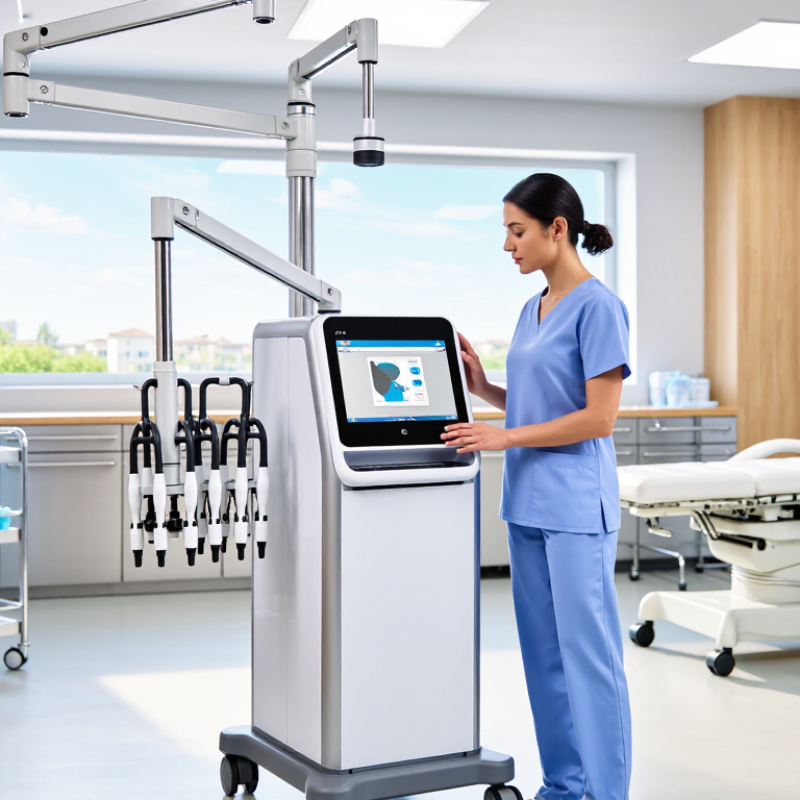
In an aesthetic clinic, this term generally describes a professional energy-based device used for skin-focused treatments. It is not one single technology. Depending on the system, it may deliver radiofrequency energy, fractional energy, or a combination. Radiofrequency creates controlled heat in targeted tissue; treatment settings and technique affect the patient’s experience. Some platforms use small treatment tips that move across the skin, while others apply energy through a larger contact surface. Not magic. It is a tool, and the clinician’s assessment matters as much as the device.
The American Society of Plastic Surgeons’ 2022 Plastic Surgery Statistics Report recorded
That broad category includes different methods, so it is not a usage count for any one machine. It does show substantial demand for clinic-based skin treatments. A responsible consultation should cover the device’s specific technology, expected downtime, possible side effects, and whether it suits the person’s skin and goals. Results vary. Evidence for one energy type should not automatically be treated as evidence for every platform. That distinction is easy to blur, and clinics should explain it plainly.
How Pollogen Technologies Support Aesthetic Treatments
Aesthetic technologies can support treatments by giving practitioners more controlled ways to address common skin concerns. Depending on the platform, options may include radiofrequency for gentle tissue warming, exfoliation to refresh the skin’s surface, or energy-based methods designed to support a firmer appearance. Each approach has different settings and limits. A device should complement a practitioner’s assessment, not replace it.
Good treatment planning starts with a conversation about skin history, sensitivity, goals, and downtime. In the room, details matter: clean applicators, measured energy, steady contact, and regular checks on comfort. Small adjustments can make a session feel more considered. No device suits every client. Results vary, and some people may experience temporary redness or sensitivity. That sounds tidy on paper; clinic days are less tidy. Practitioners still need training, clear consent, and realistic expectations. Before choosing equipment, clinics can compare treatment modes, maintenance needs, staff training, and the quality of available clinical information. A useful machine is one the team can operate consistently and explain honestly.
Which Clinic Treatments Can Pollogen Devices Address?
Clinics may use energy-based devices to address mild skin laxity, fine lines, uneven texture, and the appearance of some acne scars. Radiofrequency treatments deliver controlled heat into tissue; fractional approaches create tiny treatment zones to support skin renewal. The right option depends on the device, the patient’s skin, and the concern being treated. Not every platform offers every treatment.
Demand is broad: the ISAPS Global Survey 2023 estimated 19.1 million nonsurgical aesthetic procedures worldwide. That figure describes procedure volume, not proof that a particular device works. A careful consultation matters. Clinicians should review medical history, skin tone, treatment goals, and device-specific instructions before recommending a session. Results vary, and some concerns need a different approach.
Tips:
Photograph the treatment area in consistent lighting, then agree on a realistic outcome and treatment plan. Check the device’s intended use and the practitioner’s training. Heat-based treatments can cause discomfort or temporary redness; patient feedback during treatment matters.
One detail is easy to overlook: a popular treatment is not automatically the right treatment.
Potential Benefits for Patients and Clinic Operations
Non-surgical aesthetic care is a substantial part of the clinic landscape. The American Society of Plastic Surgeons reported 25.4 million minimally invasive cosmetic procedures in the United States in 2023, up 7% from 2022. That figure signals activity, not guaranteed demand for any particular device. It does, however, show why clinics assess treatment options carefully.
For patients, an energy-based platform may offer another clinician-selected approach to concerns such as skin texture or laxity. Suitability depends on the individual, device instructions, and practitioner assessment. The International Society of Aesthetic Plastic Surgery’s 2023 Global Survey recorded about 19.1 million non-surgical procedures worldwide. That matters. Volume alone does not establish safety or results. Clear explanations, realistic expectations, and documented consent remain essential; outcomes vary.
For clinic operations, a platform that supports appropriate protocols may help teams plan appointments and standardize treatment records. Staff still need device-specific training, maintenance checks, and time to review contraindications. And there is a catch: a new device can add costs, training demands, and scheduling pressure before it improves workflow. Track treatment time, consumables, patient feedback, and follow-up needs. The data may reveal friction, not just efficiency.
What to Assess Before Choosing and Integrating a Pollogen Machine
Before selecting an energy-based aesthetic device, match its indications to your clinic’s patient mix, clinician training, and treatment capacity. The American Society of Plastic Surgeons’ 2023 Procedural Statistics Report recorded 25.4 million minimally invasive procedures in the United States, up 7% from 2022. That broad figure signals activity, not guaranteed local demand for any one technology. Review your own bookings and referral patterns.
Ask for complete protocols, contraindications, expected treatment intervals, and published evidence for each intended use. Have clinicians assess the interface, handpiece weight, treatment visibility, and learning curve during a supervised demonstration. Small workflow details matter. Confirm installation needs, room layout, electrical supply, cleaning steps, consumables, warranty coverage, and service response times in writing. Check whether staff training and ongoing competency assessments are included.
Set a baseline before purchase: current appointment length, eligible patients, follow-up rates, and treatment-related complaints. Then track the same measures after integration. Avoid relying on a sales projection alone; the ASPS report does not predict your clinic’s results. A spreadsheet may miss the strain of a crowded room or a delayed repair. Test the full patient journey, from consultation through post-treatment follow-up, before committing.
| Assessment area | What to evaluate | Evidence to request or record | Practical decision check |
|---|---|---|---|
| Treatment fit | Confirm that the device’s cleared or authorized intended uses match the clinic’s planned services and patient population. | Current instructions for use, jurisdiction-specific regulatory status, and a written list of intended treatments. | Do not rely on marketing descriptions; verify each proposed use against the applicable labeling and local requirements. |
| Technology and treatment parameters | Understand the energy or other treatment modalities, available settings, applicators, and how treatment parameters are selected. | Technical specifications, operating instructions, contraindications, and treatment protocols supplied for the specific configuration. | Confirm the clinic can follow the specified protocols and has a process for documenting settings used in each session. |
| Safety and risk management | Review foreseeable risks, contraindications, warnings, required protective measures, and emergency procedures. | Risk and safety documentation, cleaning instructions, incident-reporting process, and relevant conformity documentation. | Assign responsibility for screening, consent, protective measures, and recording adverse events before launch. |
| Regulatory and quality checks | Check device authorization, labeling, and quality-system documentation applicable in the clinic’s jurisdiction. | Relevant certificates or registrations, device identification, service records, and current user documentation. | Have the clinic’s compliance lead verify requirements with the appropriate regulator or qualified adviser. |
| Staff competency | Determine who may operate the device and what initial and ongoing training is required. | Training syllabus, competency assessment, operating procedures, and staff training records. | Schedule supervised training and document competency before staff perform treatments independently. |
| Clinic and room readiness | Assess room layout, electrical supply, ventilation if specified, access, storage, cleaning workflow, and patient privacy. | Installation requirements, equipment dimensions, site checklist, and facility inspection notes. | Confirm the room meets the documented installation requirements before delivery and commissioning. |
| Workflow and patient experience | Map consultation, screening, consent, treatment, aftercare, and follow-up steps, including appointment time and room turnover. | Draft workflow, consent materials, aftercare instructions, and a method for tracking follow-up. | Run a staff walkthrough to identify bottlenecks and ensure the process fits existing clinic operations. |
| Maintenance and service | Review preventive maintenance, calibration or checks where specified, repair response, warranty terms, and consumable availability. | Written service plan, maintenance schedule, warranty terms, and details of parts or consumables needed for operation. | Estimate downtime contingencies and assign responsibility for maintenance logs and service requests. |
| Total cost of ownership | Compare acquisition or financing costs with installation, training, service, consumables, staffing, and room costs. | Written quotations and a clinic-specific cost model covering the expected evaluation period. | Calculate break-even using the clinic’s own pricing, expected appointment volume, and operating costs; avoid relying on assumed returns. |
| Outcome monitoring | Define how the clinic will assess patient-reported experience, treatment completion, follow-up, and safety outcomes. | Baseline measures, standardized documentation, follow-up schedule, and a privacy-compliant recordkeeping process. | Review results periodically and update protocols based on documented clinical experience and applicable guidance. |
Related Posts
-
7 Best Tripolar RF Machines for Global Buyers?
-
Top 10 TriPollar Radiofrequency Machines for Global Buyers
-
7 Best Pollogen Machines for Clinics in 2026?
-

China Top Tripollar Radio Frequency Manufacturers?
-

2026 Top Pollogen Machine Trends for Global Buyers
-
How to Choose the Best Pollogen Machine for Your Needs?