What Is a Geneo Facial and How Does It Work?
A geneo facial is a non-invasive skincare treatment designed to exfoliate the skin, deliver topical ingredients, and create a temporary oxygen-rich environment at the skin’s surface. It is often presented as a way to leave skin looking smoother and brighter. The treatment usually involves a handpiece and a capsule or gel selected for the client’s skin concerns. Details can vary by provider and device.
Here is the basic idea. The treatment gently exfoliates the outer layer of skin, then applies a topical formula. A reaction at the skin’s surface produces carbon dioxide, prompting increased oxygen delivery to the area, according to the treatment’s proposed mechanism. The steps may feel like a light scrub, followed by a cool or tingling sensation. It should not be painful; discomfort is worth mentioning to the provider.
Results are not the same for everyone. Some people notice a temporary glow or softer-feeling skin, while others see little change. A geneo facial should not be treated as a cure for acne, pigmentation, or other medical skin conditions. Claims about deeper or lasting effects deserve careful scrutiny. That matters.
Before booking, ask which products will be used, how the device is adjusted, and whether the treatment suits your skin history. A qualified skincare professional can discuss irritation risks, especially for sensitive or recently treated skin. Even a polished facial has limits. Good expectations matter as much as the treatment itself.
What a Geneo Facial Is
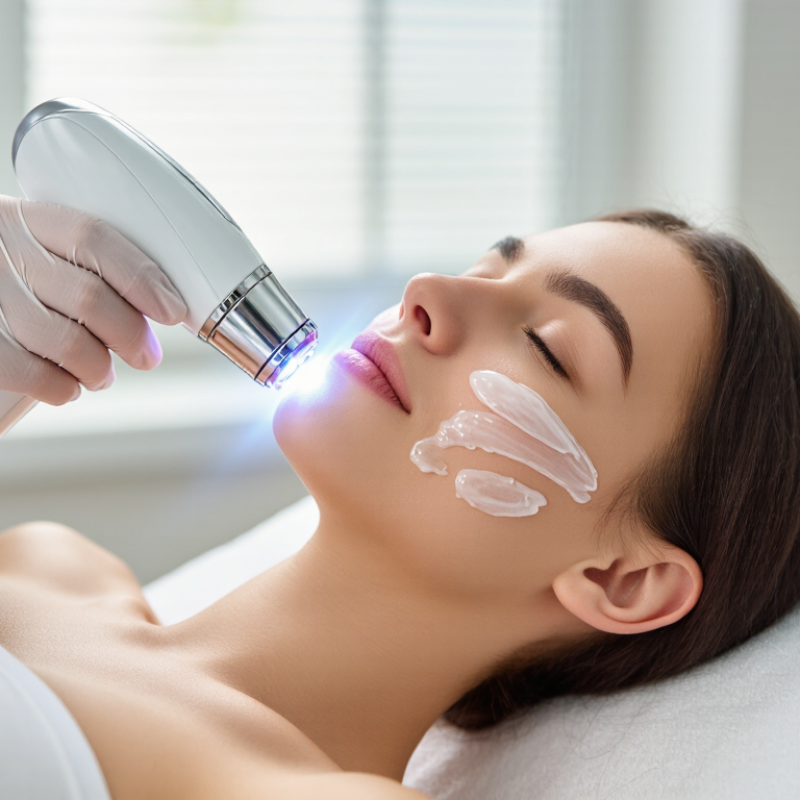
This type of facial is a non-surgical skincare treatment designed to cleanse and refresh the skin’s surface. A session commonly combines gentle exfoliation, a topical serum, and a device that creates carbon dioxide at the skin’s surface. This reaction is intended to encourage oxygen-rich blood flow to the treated area. The exact steps and products can vary by clinic.
It may leave skin feeling smoother and looking temporarily brighter, but results differ. A facial cannot erase deep wrinkles or replace medical care for skin conditions. During a consultation, a trained skincare professional should ask about sensitivity, current products, and recent procedures. That matters. Even a gentle treatment can cause redness or irritation, especially on reactive skin. The oxygen-related claims also deserve careful interpretation; visible results are not guaranteed.
Tips: Arrive with clean skin, and mention allergies or active irritation before treatment. Ask which ingredients will be used. Afterward, follow the provider’s care instructions, avoid harsh exfoliants if advised, and use sun protection. If your skin stings or stays red, contact the provider rather than repeating the treatment.
How Geneo’s OxyGeneo Technology Works
A Geneo facial uses controlled exfoliation, carbon dioxide, and topical serum infusion. A gel and treatment tip react on the skin, creating a temporary rise in carbon dioxide at its surface. This may encourage oxygen release from nearby blood through the Bohr effect. The device then exfoliates the outer layer while serum is applied. No oxygen is injected. The treatment is designed to leave skin feeling smoother and looking refreshed, but visible results vary.
The mechanism sounds simple. The evidence needs care. The American Society of Plastic Surgeons reported about 3.7 million skin-resurfacing procedures in the United States in 2023; that figure covers many methods, not this facial specifically. It reflects interest in resurfacing, not proof of one device’s results. A trained provider should check for active irritation, sensitivity, and recent procedures before treatment. Mild redness can occur. Deeper acne scars, persistent pigmentation, or marked laxity may need other options. I would not treat a temporary glow as evidence of lasting collagen change. That distinction matters. Even the oxygen explanation should be presented as a proposed mechanism, not a guaranteed outcome.
How an Oxygen-Stimulating Facial Works
The treatment follows three steps: exfoliation, carbon dioxide stimulation, and topical serum infusion.
The numbers indicate the order of the steps, not measured treatment results. Carbon dioxide at the skin’s surface can prompt a local response that increases blood flow; the treatment also exfoliates and applies topical ingredients. Effects vary, and the chart does not represent clinical outcome data.
What Happens During a Geneo Facial
A Geneo facial usually begins with a brief skin consultation. The practitioner asks about sensitivity, recent treatments, and your skincare routine. Your face is cleansed, then a handheld device moves over the skin with a gel and treatment tip. You may feel gentle friction and hear a soft buzzing sound. It should not feel sharply painful. Tell the practitioner if it does.
The device exfoliates the surface while the gel reacts to create tiny bubbles. This bubbling sensation may feel cool or slightly tingly. The treatment is intended to encourage oxygen-rich blood flow near the skin’s surface while helping deliver selected skincare ingredients. The exact products and settings can vary. The practitioner may then massage in a finishing serum or moisturizer, and apply sunscreen if it is daytime. The whole visit often takes around 30 to 60 minutes, though timing depends on the clinic.
Afterward, skin can look temporarily pink or feel warm. That usually settles, but responses differ. A calm finish is not guaranteed. Ask about ingredient sensitivities and whether the treatment suits your skin, especially if it is irritated or recently treated. For the rest of the day, gentle cleansing and avoiding harsh exfoliants may be sensible. One detail is easy to overlook: results can be subtle, and a single session may not create a dramatic change.
Potential Benefits and Limitations
A Geneo facial combines exfoliation, topical ingredients, and a device-assisted oxygenation step. The goal is smoother, brighter-looking skin with little downtime. You may notice a cool gel, gentle tingling, and mild redness afterward. The proposed oxygen effect sounds persuasive, but it should not be confused with proven long-term skin change.
The American Society of Plastic Surgeons reported about 3.7 million skin-resurfacing procedures in the United States in 2023. That figure shows broad demand for cosmetic skin treatments, not proof that this specific facial works. Potential benefits are usually modest: temporary softness, a more even-looking surface, and a fresh glow. Results depend on technique, skin condition, and the products used.
There are limits. Effects may fade within days, and clinical evidence specific to oxygenation facials remains limited. That matters. Exfoliation can irritate sensitive, inflamed, or recently treated skin, while fragranced or active ingredients may trigger reactions. Ask a qualified skin-care professional about your medical history and ingredients before booking. If irritation persists, stop treatment and seek medical advice.
Safety, Suitability, and Aftercare
An oxygenating facial usually combines gentle exfoliation with topical serums and a device-assisted step. The exact method varies by clinic; ask whether ultrasound or radiofrequency is included. Mild warmth or temporary redness can occur. It should not feel sharply painful. Tell your provider about eczema, rosacea, cold sores, allergies, recent peels, and medicines that increase skin sensitivity. The American Academy of Dermatology estimates that rosacea affects about 16 million people in the United States. That matters: reactive skin may need a gentler plan, or a dermatologist’s advice before treatment.
Skip treatment over sunburn, open cuts, or an active skin infection. If you have a pacemaker or another implanted device, ask your clinician before any radiofrequency procedure. The AAD estimates acne affects up to 50 million Americans each year; a facial may not treat its underlying causes, and inflamed acne can be easily irritated. Results vary. Afterward, use a mild cleanser, a plain moisturizer, and broad-spectrum SPF 30 or higher. Avoid scrubs, retinoids, and exfoliating acids for a day or two, or follow your provider’s specific instructions. Keep it simple. If redness, swelling, or discomfort worsens rather than settling, contact a qualified health professional.
Related Posts
-
Top 5 Tips for Choosing a Geneo Facial Machine?
-

2026 Best Oxygeneo Machine for Global Buyers?
-
Why Is Tripollar Gel Essential for RF Devices?
-
Top 10 Tripollar Stop VX Gold Alternatives for Global Buyers?
-

What Is the Best Tri Polar Radio Frequency Machine?
-

What is Tri Pollar and How Can It Benefit Your Business?