2026 Best Oxygeneo Machine for Global Buyers?
The search for the 2026 best oxygeneo machine reflects a larger shift toward measurable, non-invasive aesthetic care. Buyers now compare more than appearance and price. They examine treatment consistency, operator training, consumable supply, service response, and regulatory documentation.
The International Society of Aesthetic Plastic Surgery reported 34.9 million surgical and non-surgical aesthetic procedures worldwide in its 2023 Global Survey. Non-surgical treatments represented a substantial share of demand. Grand View Research also identifies medical aesthetics as a fast-growing global market, supported by consumers seeking shorter recovery times. These reports provide useful direction, but they do not evaluate every oxygeneo machine directly. Their categories also differ. That limitation matters.
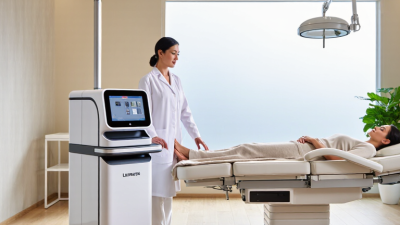
A reliable purchasing decision should connect market data with real clinic conditions. Picture a busy treatment room, a trained operator, sealed consumables, and a client expecting visible comfort within one appointment. The machine must support that workflow safely and consistently. Buyers should review energy settings, oxygenation claims, exfoliation methods, handpiece design, maintenance intervals, and local compliance requirements. Training records and clinical evidence deserve equal attention. Marketing language alone is not enough.
This guide compares leading options for global buyers in 2026. It considers performance, usability, total ownership cost, technical support, and regional availability. It also highlights weaknesses, because no device suits every clinic. Some models may offer impressive functions but limited after-sales support. Others may be easier to operate but less flexible. The best choice is not always the most advanced one. It is the machine that matches verified needs, qualified practice, and responsible patient care.
What Is an Oxygeneo Machine and How Does Its Technology Work?
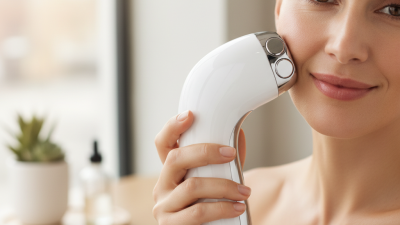
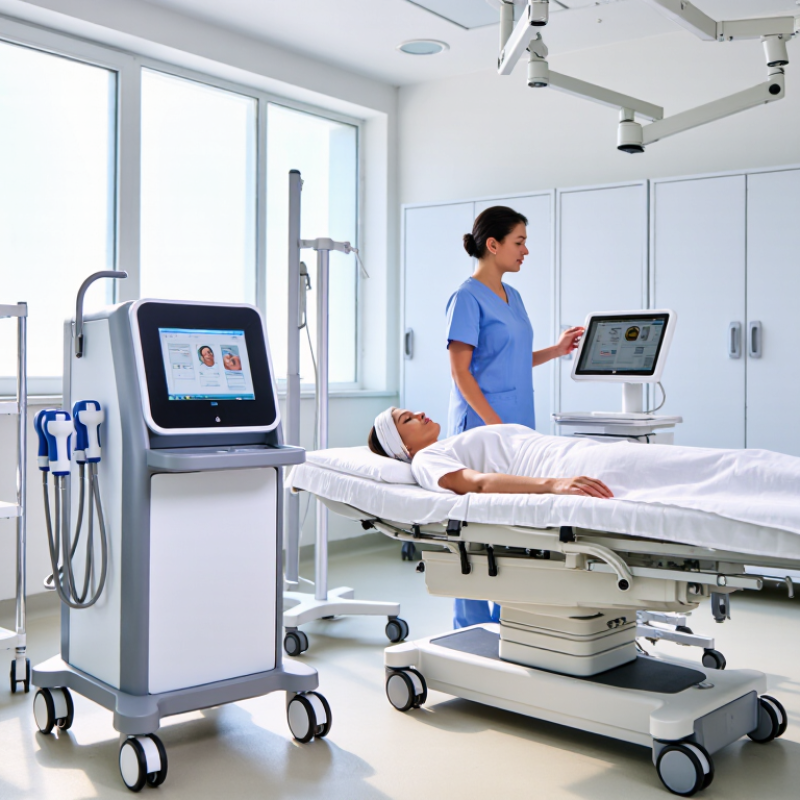
An Oxygeneo machine is a professional facial device designed to exfoliate, oxygenate, and infuse the skin. It usually combines a handpiece, a treatment tip, and a specially formulated gel. The tip gently removes surface cells while the gel reacts with the skin. This reaction creates carbon dioxide bubbles. These bubbles encourage oxygen-rich blood flow near the skin’s surface, according to the treatment principle commonly used in this technology.
The process is usually comfortable and produces little downtime. A trained operator moves the handpiece across the face with steady pressure. The gel choice can affect the treatment feel and intended skin benefits. Some formulas focus on hydration, while others target dullness or uneven texture. However, “oxygen facial” can sound more powerful than the evidence supports. The device does not replace medical treatment or repair deep skin damage.
When assessing a machine for global use, buyers should inspect training materials, electrical certifications, cleaning procedures, and replacement-tip availability. Ask how the system records treatment settings. Clear instructions improve consistency between operators. I would also test the handpiece balance before purchase. A heavy device may cause uneven pressure during a long session.
Results vary with skin condition, technique, and aftercare. Sensitive skin may need lower intensity and a shorter session. Patch testing is sensible, although it cannot predict every reaction. Some supplier claims may be too optimistic. Reliable decisions require demonstrations, documented safety data, and feedback from experienced practitioners.
Key Features and Treatment Modes to Compare in 2026
When comparing an Oxygeneo machine in 2026, examine its treatment modes, control range, and operator feedback. A practical system should combine exfoliation, oxygenation, and serum infusion without making the procedure feel rushed. Adjustable intensity matters because sensitive cheeks and oily foreheads rarely need identical settings. I prefer clear touch controls, visible treatment timers, and replaceable handpieces. Small details matter.
Treatment flexibility separates a useful platform from a crowded feature list. Exfoliation should remove surface buildup gently, without leaving excessive redness. Oxygenation can support a fresher appearance, but results depend on skin condition and technique. Infusion modes should offer controlled product delivery and transparent ingredient compatibility. Some systems also provide radiofrequency, ultrasound, or LED functions. These options may improve workflow, yet they require separate training and realistic client expectations. More modes are not automatically better.
Reliability deserves equal attention. Check service response times, warranty terms, cleaning procedures, and the cost of consumables. Ask for documented test results, electrical safety information, and market-appropriate regulatory clearance. A trained provider should screen for sensitivity, active irritation, implanted devices, and other contraindications before treatment. In daily use, I would record settings, skin responses, and client feedback after each session. That process is not perfect. Operators can still overestimate short-term glow and underestimate cumulative irritation. A machine with honest documentation and simple maintenance may outperform a sophisticated unit that staff avoid using.
Safety Standards, Certifications, and Supplier Reliability
2026 Best Oxygeneo Machine for Global Buyers?
Safety Standards, Certifications, and Supplier Reliability
A safe device should show more than attractive treatment claims. Check compliance with IEC 60601-1 for electrical safety, ISO 14971 for risk management, and ISO 13485 for quality systems. The 2023 ISO Survey recorded 38,517 valid ISO 13485 certificates worldwide, showing broad adoption of structured medical-device controls. However, certification does not automatically prove product quality or clinical performance.
Ask for certificates from an accredited body, not only a downloadable logo. Review the device’s technical file, user manual, cleaning instructions, and contraindications. The European Medical Device Regulation also emphasizes clinical evaluation, traceability, and post-market surveillance. FDA guidance similarly expects manufacturers to investigate complaints and maintain corrective-action procedures. Small details matter. Can the supplier identify each production batch? Are replacement parts available for several years? Is electrical testing documented before shipment?
Supplier reliability is harder to measure. Request recent inspection records, warranty terms, training materials, and average service-response times. A serious supplier should explain how it reports adverse events and handles software or hardware updates. WHO’s Global Patient Safety Action Plan states that approximately one in ten patients experiences harm in healthcare, although aesthetic equipment has different risks. That figure still deserves attention. I would not select a machine because its certificate looks polished. Some documents may be valid but incomplete, outdated, or unrelated to the exact model. Independent verification is worth the extra week.
Maintenance, Operating Costs, and Total Investment Value
Choosing the best oxygenation facial machine in 2026 requires more than comparing purchase prices. In daily clinic use, maintenance discipline often determines treatment consistency. I have seen machines lose pressure because filters were ignored for weeks. A practical maintenance plan should include daily handpiece cleaning, weekly tubing inspection, and scheduled replacement of seals and filters. Keep written service records. They reveal small problems early.
Operating costs also include consumables, electricity, staff training, and appointment downtime. A machine using inexpensive solutions may still become costly if each treatment requires several disposable parts. Ask suppliers for a clear cost per session, not only a low equipment quotation. Check warranty coverage, response times, and technician availability in your region. Remote support helps, but it cannot repair every fault.
Total investment value depends on reliable use over several years. Estimate the purchase cost, installation, training, maintenance, consumables, and expected service interruptions. Then compare that figure with realistic monthly treatment volume. Do not assume every available appointment will be filled. That is where many projections become optimistic. A slightly higher-priced machine may offer better value when parts are accessible and cleaning is simple. Conversely, advanced functions can create unnecessary expense if your clients rarely request them. Test the workflow with staff before committing, and document what feels efficient, awkward, or easy to overlook.