Need Help?

Top Lumenis Legend Pro Treatment Cost Guide?

The lumenis legend pro treatment cost can vary more than many people expect. A clinic’s location, the provider’s experience, the treatment area, and the number of sessions can all affect the final quote. A small area may require less time than a full-face treatment, but the device setting and care plan also matter. There is no single price that applies to every patient.

Ask what the estimate includes. Does it cover a consultation, follow-up visits, or recommended aftercare? Is the quoted amount for one session or a package? These details can change the real cost. A clear clinic should explain its pricing before treatment and discuss whether the procedure suits your skin and goals. If a quote seems unusually low, ask what has been left out. It may be a promotion, but it may also reflect a different service.

Details matter.

This guide explores the factors behind treatment pricing and offers practical questions to ask during a consultation. It is meant to help you compare estimates, not replace advice from a qualified provider. Results and session needs differ between individuals, and no responsible price guide can promise a specific outcome. I would also be cautious about treating online averages as exact; prices can change, and published figures may not describe the same treatment. A written, itemized estimate is more useful.
Top Lumenis Legend Pro Treatment Cost Guide?

What Is the Lumenis Legend Pro Treatment?

A Lumenis Legend Pro treatment is a non-surgical approach to skin rejuvenation using controlled radiofrequency energy. Depending on the clinic’s handpiece and treatment plan, energy warms targeted tissue to encourage collagen remodeling and improve the look of mild laxity, fine lines, or uneven texture. Some platforms also offer complementary modes, such as fractional energy or ultrasound-based delivery. The exact combination matters. Ask which mode is planned, what it targets, and how many sessions are typical.

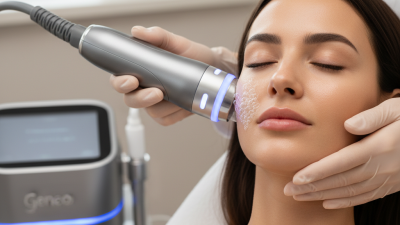
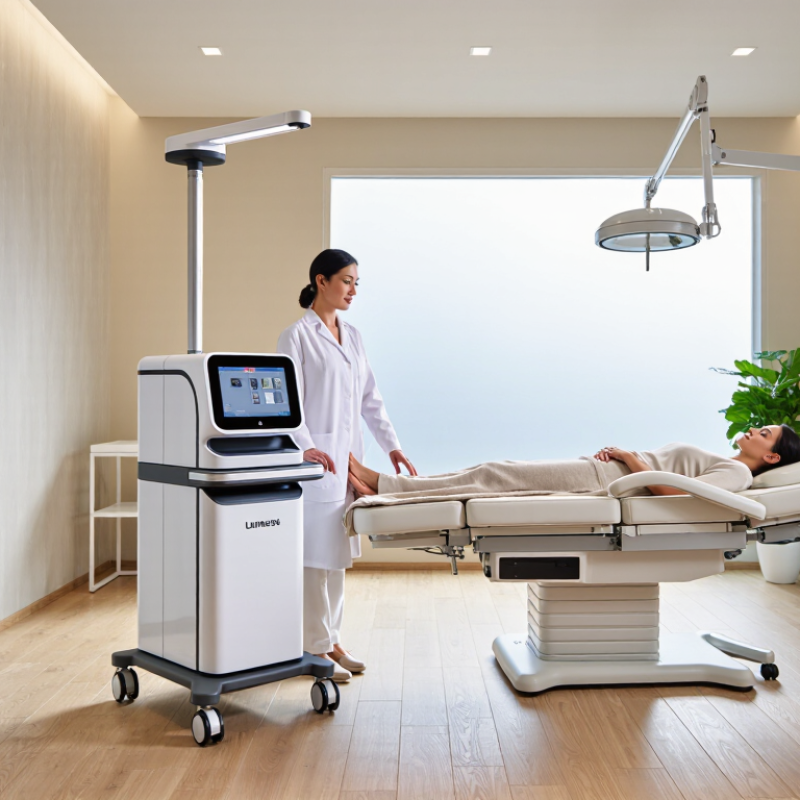
During a session, a practitioner moves an applicator across clean skin, often using gel or brief contact cooling. You may feel steady warmth and pressure, not sharp pain. Skin can look pink afterward; downtime and results vary with settings, treatment area, and individual response. It is not a facelift, and improvement may be subtle. That distinction is easy to overlook.

The International Society of Aesthetic Plastic Surgery’s 2023 Global Survey recorded about 19.1 million non-surgical aesthetic procedures worldwide, reflecting broad interest in lower-downtime options. That figure covers many treatments, not this device alone. A qualified clinician should review medical history, explain risks, and set realistic expectations before treatment. Ask for the device’s specific protocol and evidence, too. I would not treat marketing photos as a promise.

How Lumenis Legend Pro Treatment Costs Are Determined

Treatment prices for a multi-technology skin procedure depend on more than the device used. The treated area matters: a small patch may take less time than the full face or neck. Session length, settings, provider experience, and local clinic overhead can also change the quote. Some plans include one visit; others recommend several. That adds up.

A useful benchmark comes from the American Society of Plastic Surgeons’ 2023 fee data: average physician fees for laser skin resurfacing were about $1,829. This figure is not a price for a specific device-based treatment. It excludes related costs and may not reflect radiofrequency procedures, so treat it as context, not a quote. Ask the clinic to separate the provider fee, consultation charge, and any follow-up costs. Then compare like with like.

Details can be surprisingly uneven. One clinic may price by treatment area; another may bundle a series. Ask how many sessions the estimate assumes, what happens if settings change, and whether touch-ups cost extra. Get the plan in writing. It may still feel unclear. That is a reason to ask again, not to rely on a headline price.

Typical Price Ranges and Package Options

A non-surgical radiofrequency facial treatment often costs about $150–$500 per session in the United States. Smaller areas, such as the jawline, may sit near the lower end, while full-face or face-and-neck appointments can cost more. These are broad estimates, not a clinic quote. Location, provider experience, appointment length, and equipment can all affect the final price.

Packages may reduce the per-session rate. A three-session plan might cost roughly $400–$1,300, while a six-session plan may range from $800 to $2,500 or more. Ask what each package includes: treatment areas, consultation, follow-up visits, and any maintenance session. Check the expiry date, too. A discount is less useful if appointments are difficult to schedule.

Prices vary. Before booking, request an itemized estimate and ask whether the quoted amount covers the full treatment area. Some clinics price by area; others charge by appointment. Compare like with like, and confirm the provider’s training and the device’s suitability for your skin concerns. A small wrinkle in the estimate can be add-ons, such as a separate consultation or post-treatment products. I would treat unusually low prices cautiously, though price alone cannot establish quality.

Typical Energy-Based Skin Treatment Costs

Estimated U.S. price ranges for comparable non-invasive skin treatments. Actual prices vary by provider, treatment area, location, and package terms.

Packages may reduce the effective per-session price, but confirm what each session includes and whether consultation or follow-up fees are extra.

Factors That Can Change the Total Treatment Cost

The total cost of an energy-based skin treatment can vary widely, even between clinics in the same city. The area being treated is one major factor. A small patch may take less time than the full face, neck, or several areas together. Larger areas often require more appointments, which can raise the overall bill. Ask whether the quoted fee covers one session or a complete treatment plan.

Provider experience, clinic location, and the equipment used can also affect pricing. A consultation may include an assessment of your skin, medical history, and goals. That helps the clinician estimate suitable settings and the likely number of visits. Some clinics charge separately for consultation, numbing cream, follow-up checks, or post-treatment products. Clarify these details before booking. No surprises.

Your response to treatment matters, too. Some people need additional sessions to reach their goals, while others may stop earlier. Skin concerns, treatment intensity, and time between visits can all influence the final cost. Prices can feel frustratingly vague when clinics advertise a starting rate without explaining what it includes. Request an itemized estimate, including possible extra sessions, and ask what could change the plan after your assessment. A careful estimate is more useful than a low headline price.

How to Compare Clinics and Plan Your Treatment Budget

Comparing clinics for a light-based skin treatment takes more than checking the advertised price. Ask what each quote includes: consultation, treatment area, session length, aftercare, and follow-up visits. A low price may cover only one small area. Get the details in writing.

Check who performs the procedure and how they assess your skin and medical history. Ask how many sessions are typically recommended for your concern, and what could change that estimate. Good clinics explain likely benefits, limitations, possible side effects, and alternatives without promising a specific result. Look for clear answers, not pressure to book. That matters.

Build a realistic budget using the full treatment plan, not a single-session figure. For example, compare the cost of three sessions across clinics, then add travel, time off work, and any recommended aftercare products. Ask whether payments are due per visit or upfront, and whether missed appointments incur fees. Prices vary by location, provider, treatment area, and individual needs, so online estimates are only a starting point. It is easy to overlook small extras. I would also leave room in the budget for an additional visit, though it may not be needed. A careful comparison should make costs and expectations easier to understand, not make the decision feel rushed.