


What Is the Best Tri Polar Radio Frequency Machine?
Choosing the best tri polar radio frequency machine requires more than comparing power ratings or polished product photographs. A useful evaluation should examine energy control, electrode design, treatment depth, cooling features, operator training, and documented skin outcomes. The best device is not automatically the strongest one. It should deliver stable, comfortable heating across the treatment area.
Dr. Shimon Eckhouse, a recognized medical-device entrepreneur associated with TriPollar technology, has said, “Radiofrequency treatment depends on controlled energy delivery, not simply higher power.” That principle remains important. During a practical session, a professional should observe whether the handpiece heats evenly, whether the display responds consistently, and whether the client reports comfortable warmth instead of sharp discomfort. Small details matter.
Real-world performance can still differ from laboratory claims. Skin type, facial thickness, contact pressure, treatment frequency, and maintenance habits influence visible results. Some machines feel impressive during a demonstration but provide limited evidence afterward. That deserves caution. A credible comparison should consider clinical documentation, safety systems, warranty support, and service availability, not only marketing language.
This guide examines popular tri polar radio frequency machines through those practical standards. It also considers professional experience, user comfort, treatment flexibility, and value over time. No device suits every clinic or home user. That is the part many comparisons miss. The most reliable choice may be the machine with moderate output, clear instructions, and consistent temperature control. Performance should be measurable, not merely promised.
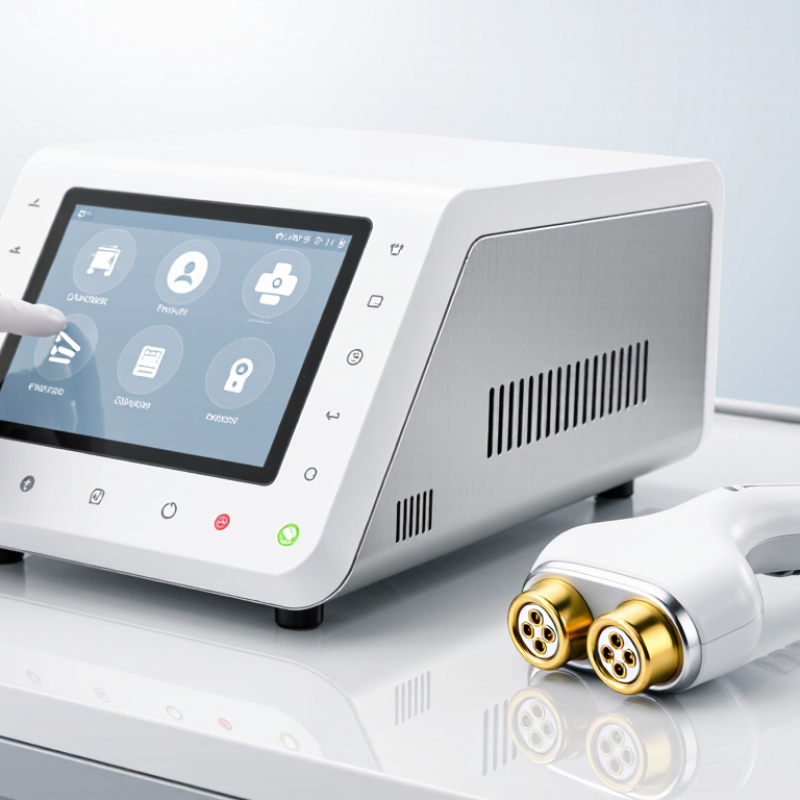
What Is a Tri Polar Radio Frequency Machine?
A tri-polar radio frequency machine is a non-invasive cosmetic device designed to warm selected layers of the skin. It uses three electrodes to distribute radio-frequency energy across a treatment area. This controlled warmth may support collagen remodeling and temporarily improve skin firmness. Unlike monopolar systems, tri-polar designs usually concentrate energy more superficially and evenly. Heat is the point.
During treatment, a trained operator moves the handpiece continuously over clean skin. Most users describe a warm, moving sensation. Skin should feel heated, not painfully hot. Temporary redness or mild swelling can occur. Professional assessment matters. People with implanted electronic devices, certain metal implants, active skin conditions, or pregnancy may need medical guidance before treatment. Exact precautions depend on the device and personal health history.
When comparing machines, do not judge performance by appearance alone. Look for adjustable energy, temperature monitoring, clear treatment records, and trained supervision. A higher setting is not automatically better. Results also depend on skin condition, treatment spacing, technique, and aftercare. Radio frequency may soften the appearance of fine lines or mild laxity, but it cannot replace sun protection or medical treatment. I would not treat one dramatic before-and-after photo as proof. Marketing often sounds more certain than research allows. That gap deserves attention.
What Is the Best Tri Polar Radio Frequency Machine? - What Is a Tri Polar Radio Frequency Machine?
| Evaluation Dimension | Typical Tri-Polar RF Information | Why It Matters | What to Check Before Purchase |
|---|---|---|---|
| Definition | A non-invasive radio-frequency device that uses three electrodes to deliver alternating electrical energy through the skin. | The electrode arrangement is designed to distribute energy across a treatment area rather than concentrate it at a single electrode. | Confirm that the handpiece actually contains three active poles and review the technical manual. |
| Energy type | Radio-frequency electromagnetic energy, commonly used to create controlled tissue heating. | Thermal effects may temporarily improve skin tightness and produce gradual collagen-remodeling responses. | Look for disclosed frequency, power range, energy-control method, and temperature monitoring. |
| Typical treatment areas | Face, jawline, neck, arms, abdomen, thighs, and other areas with mild laxity or uneven skin texture. | A smaller applicator is generally more practical for facial contours, while a larger applicator can cover body areas more efficiently. | Check applicator size, shape, cable length, and whether separate facial and body handpieces are included. |
| Treatment sensation | Most users experience warmth or mild tingling. Pain is not an intended treatment goal. | Excessive heat or discomfort may indicate unsuitable settings, poor coupling, prolonged contact, or inadequate movement. | Choose a device with adjustable intensity, continuous movement guidance, and an emergency stop or quick power-off function. |
| Temperature control | Professional protocols often monitor surface temperature to maintain controlled heating; exact settings vary by device and body area. | Temperature monitoring helps reduce the risk of overheating and supports more consistent treatments. | Prefer real-time temperature display, automatic energy reduction, and an over-temperature shutoff. |
| Expected benefits | Possible improvement in the appearance of mild skin laxity, fine lines, and skin smoothness after a course of treatments. | Results are usually gradual and vary with age, skin condition, treatment settings, and maintenance habits. | Avoid claims of guaranteed lifting, permanent fat removal, or results equivalent to surgery. |
| Treatment schedule | A series of treatments is commonly used, with spacing determined by the device instructions and the treated area. | Collagen-related changes develop over time, so a single session may not show the full effect. | Follow the official protocol instead of selecting settings only by treatment speed or intensity. |
| Downtime | Non-invasive RF treatments generally have little or no formal downtime, although temporary redness or warmth may occur. | Users can often return to normal activities quickly, but individual skin reactions differ. | Check aftercare instructions and ensure users are told when to seek professional medical advice. |
| Safety features | Important features include insulated applicator surfaces, temperature monitoring, intensity adjustment, and automatic fault protection. | Built-in controls help reduce the possibility of excessive heating, uneven energy delivery, or operator error. | Review electrical safety documentation, user training requirements, cleaning instructions, and service support. |
| Common contraindications | Use may be unsuitable for people with implanted electronic devices, certain metal implants in the treatment area, active skin disease, or reduced heat sensitivity. | RF energy and heat can create risks for specific medical conditions and implanted devices. | Obtain medical clearance when appropriate and follow the device-specific contraindication list. |
| Best selection criteria | The best machine is one with verified regulatory documentation, stable energy delivery, temperature feedback, suitable applicators, and clear operating instructions. | A specification-based choice is more reliable than selecting equipment by electrode count or appearance alone. | Compare safety controls, published specifications, warranty, training, maintenance, and intended professional or home use. |
| Important limitation | Tri-polar RF is not a substitute for surgery and does not guarantee permanent skin tightening or fat reduction. | Realistic expectations improve satisfaction and reduce unsafe attempts to increase energy or treatment duration. | Use only as directed and consult a qualified healthcare professional for medical concerns or persistent adverse effects. |
Note: Technical specifications, operating frequencies, temperature limits, treatment intervals, and contraindications vary by device. Always follow the applicable instruction manual and local regulatory requirements.
Related Posts
-

China Top Tripollar Radio Frequency Manufacturers?
-

How to Achieve Smooth Skin with Radiofrequency Facial Treatments?
-

China Top 10 Radiofrequency Facial Machine Manufacturers
-
How to Use a Geneo Facial Machine for Glowing Skin?
-
China Top 10 Legend Pro RF Microneedling Suppliers
-
How to Use Tripollar Gel for Effective Skin Rejuvenation?