Need Help?

China Top 10 Legend Pro RF Microneedling Suppliers

China’s aesthetic-device market is expanding, but supplier quality varies widely. This guide introduces ten potential suppliers for legend pro rf microneedling equipment. It focuses on evidence, manufacturing discipline, operator support, and transparent communication.

Dr. Arisa Ortiz, a dermatologist and laser specialist, has stated, “RF microneedling is not a one-size-fits-all treatment.” That principle matters when comparing Chinese manufacturers. Needle depth, radiofrequency delivery, cooling design, cartridge safety, and energy controls can affect treatment consistency. A polished brochure is not enough. Ask for technical files, quality certificates, test reports, warranty terms, and documented training. Verify whether claims apply to the exact model offered.

Reliable suppliers should explain how their devices are assembled and tested. Look for traceable components, stable software, clear user manuals, and responsive service teams. ISO 13485 certification may indicate structured medical-device quality systems, but it does not replace local regulatory review. Importers must confirm applicable registration requirements before purchasing or distributing equipment.

This list is a starting point, not a final verdict. Some suppliers communicate well but provide limited clinical evidence. Others may offer strong engineering while lacking international support. That difference is easy to miss.

Real experience matters. Request a live demonstration, inspect cartridge packaging, and discuss common service failures. Compare answers carefully. A serious supplier will welcome technical questions.

The best choice depends on your market, budget, treatment goals, and compliance responsibilities. Prices can be attractive in China, but low cost may hide training gaps or replacement delays. Careful verification protects clinics, practitioners, and patients.

China Top 10 Legend Pro RF Microneedling Suppliers

What Is Legend Pro RF Microneedling Technology?

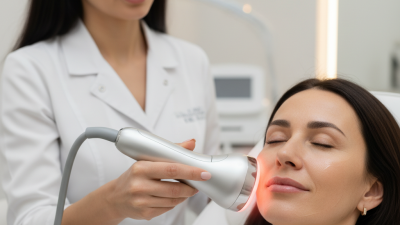
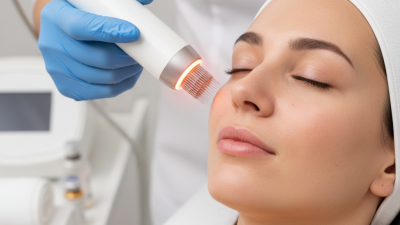
Radiofrequency microneedling combines controlled needle penetration with thermal energy delivered beneath the skin’s surface. Fine needles create precise channels, while RF current warms targeted dermal tissue. This heat may encourage collagen remodeling and improve texture, laxity, and selected acne scars. Unlike surface-only treatments, energy reaches a measured depth.

Depth matters. It must match the treatment area, skin condition, and clinical goal.

A qualified practitioner assesses skin type, medical history, active inflammation, medications, and healing risks before treatment. During a session, sterile disposable cartridges, adjustable needle depth, and controlled energy settings support safer work. Cooling, topical anesthetic, and careful aftercare can improve comfort.

Expect temporary redness, swelling, or pinpoint marks, often around the cheeks and jawline. Results develop gradually over several weeks, not overnight.

Stronger settings do not automatically produce better skin.

When comparing suppliers, buyers should request device testing records, maintenance guidance, operator training, and clear technical specifications. Reliable documents should explain energy delivery, needle configuration, contraindications, and cleaning procedures.

Experience has taught many clinics that impressive photographs cannot replace consistent protocols.

Some systems may feel efficient but prove difficult to calibrate. That limitation deserves honest review. Practitioners should record settings, skin response, and recovery at every visit, then adjust future sessions conservatively.

RF microneedling is promising, but technique, patient selection, and verified equipment remain essential to responsible treatment.

How China’s Top 10 Legend Pro RF Suppliers Are Identified

How China’s Top 10 Legend Pro RF Suppliers Are Identified

China’s top ten RF microneedling suppliers should be identified through evidence, not search rankings. Grand View Research valued the global medical aesthetics market at approximately USD 19 billion in 2023. This growth attracts capable manufacturers, but also creates crowded supplier lists. A serious assessment begins with factory ownership, production capacity, and documented quality systems.

Certification matters. Reviewers should verify ISO 13485 compliance and relevant IEC 60601 testing through current certificates and accredited laboratories. They should also inspect needle cartridge traceability, energy control, insulation quality, and emergency shut-off functions. Clinical documentation deserves close attention. A supplier offering treatment parameters, safety data, and operator training shows stronger professional discipline. Marketing claims alone are weak evidence.

Export performance provides another practical signal. Customs records, distributor references, response times, warranty terms, and spare-parts availability can reveal a supplier’s real experience. The International Trade Centre’s trade data can help compare export activity by product category, although classification codes may include unrelated equipment. That limitation matters.

A weighted score can rank ten suppliers. Quality systems might receive 30%, technical performance 25%, manufacturing capacity 20%, service 15%, and transparent documentation 10%. Factory visits are valuable. They are not always possible. A remote audit may miss storage problems or inconsistent assembly. Therefore, independent verification and sample testing remain necessary before any final selection.

There is no flawless ranking. Procurement teams should record uncertainty instead of hiding it.

Key Features and Specifications of Leading Suppliers

China Top 10 Legend Pro RF Microneedling Suppliers: Key Features and Specifications of Leading Suppliers

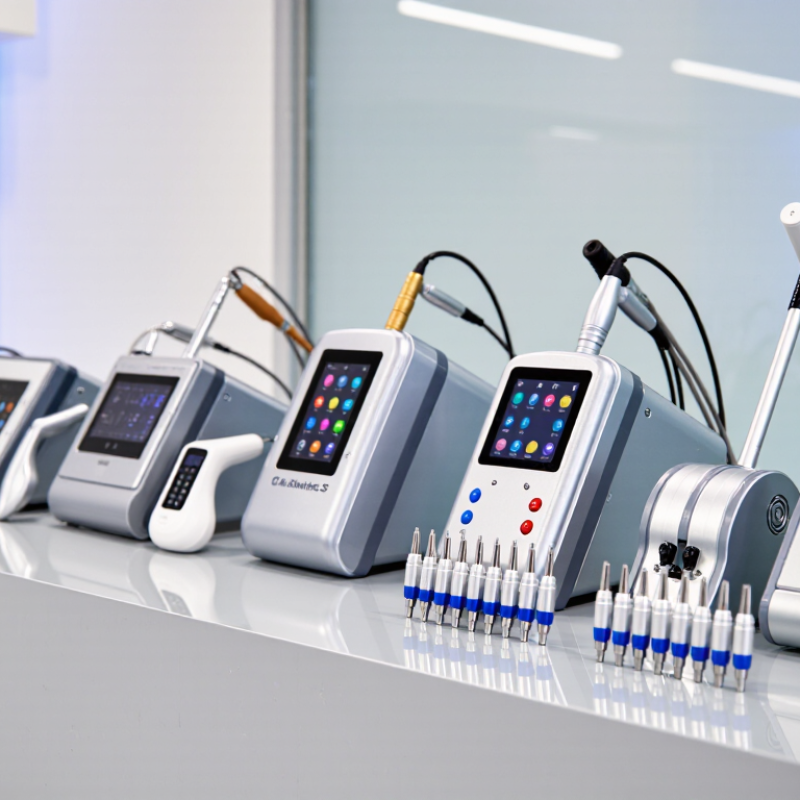
Leading RF microneedling suppliers are usually judged by engineering details, not attractive catalog images. Reliable systems should offer adjustable radiofrequency energy, controlled needle depth, and stable pulse delivery. Common depth ranges extend from about 0.5 to 4.0 millimeters, supporting different treatment areas under trained professional supervision. Insulated and non-insulated needle options can change how energy spreads through tissue. That difference matters.

Practical suppliers also provide clear cartridge specifications, handpiece ergonomics, and consistent cooling performance. A readable screen helps operators monitor energy, duration, and treatment modes without guessing. Safety features may include contact detection, automatic shutoff, disposable cartridge recognition, and temperature monitoring. Look for documented electrical testing and quality-management procedures. Paperwork is not glamorous, but it protects purchasing decisions.

After-sales support often separates a dependable supplier from a merely inexpensive one. Ask about operator training, maintenance schedules, replacement parts, warranty terms, and response times. Traceable batch numbers are useful when reviewing cartridge quality. A higher power rating is not always better. It may increase discomfort or complicate control. Supplier claims should be checked against demonstrations, technical files, and independent user feedback. Some specifications remain vague, and that is a warning sign. Careful buyers should request real test data before approving large orders.

China Top 10 Legend Pro RF Microneedling Suppliers

Key technical specifications commonly published for leading professional RF microneedling systems

The chart compares representative published specification values across ten anonymized supplier profiles. Maximum needle depth is shown in millimeters, while RF frequency and available needle-tip configurations are summarized in the accompanying legend. Typical professional RF microneedling systems operate within approximately 1–2 MHz, support adjustable penetration depths of about 0.5–4.0 mm, and use insulated or non-insulated tips with multiple needle counts.

Manufacturing Standards, Certifications, and Quality Control

China Top 10 Legend Pro RF Microneedling Suppliers

Manufacturing Standards, Certifications, and Quality Control

Reliable RF microneedling suppliers should demonstrate controlled manufacturing, not merely attractive product samples. Strong facilities commonly operate under ISO 13485 quality management systems. Their risk controls should also reflect ISO 14971 principles. Electrical safety testing may involve IEC 60601-1, depending on the device classification and target market.

Certification details require careful checking. The certificate should match the exact manufacturer, factory address, device model, and production scope. Market approvals must also fit the destination country. A supplier’s certificate alone does not prove consistent product performance. Ask for current reports, test dates, and issuing laboratory information.

Quality control should begin with incoming components. Technicians should inspect RF generators, handpieces, cables, and needle cartridges before assembly. Each finished unit needs checks for output stability, needle movement, temperature control, alarms, and insulation. Calibration records should be traceable. Software versions require documented release control.

Small details matter.

During factory evaluations, review batch records and complaint handling. Request sample units from different production lots, then compare their RF output and penetration accuracy. Disposable parts need clear packaging controls and contamination prevention. Some suppliers perform well during audits but weaken their checks under delivery pressure. That risk deserves honest discussion.

No factory is perfect. A supplier that reports deviations openly may be more dependable than one claiming zero defects. Look for corrective actions, training records, and evidence that repeated problems receive deeper investigation. Reliable cooperation depends on measurable controls, transparent documentation, and performance verified beyond the showroom.

How to Compare Prices, Support, and Export Services

China Top 10 Legend Pro RF Microneedling Suppliers

When comparing China-based RF microneedling suppliers, do not judge price from the quotation alone. Request the machine configuration, RF frequency, needle depth range, cartridge cost, warranty period, and replacement-part prices. A low quote can look brilliant—and still be wrong. Compare the landed cost, including packaging, freight, insurance, customs charges, and local taxes. Ask for recent product photos, test videos, and clear technical specifications. Vague answers deserve caution.

Support quality often separates a reliable supplier from an attractive listing. Test the sales team with practical questions about treatment settings, cartridge replacement, fault diagnosis, and operator training. A professional supplier should provide manuals, installation guidance, video training, and a defined response time. Ask whether remote troubleshooting is available after delivery. Short replies are not always bad, but repeated delays can become expensive.

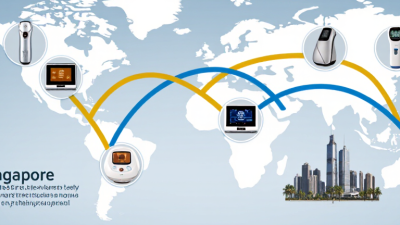
Export service requires equal attention. Confirm the supplier can prepare a commercial invoice, packing list, certificate of origin, and accurate shipping documents. Check the proposed Incoterm and whether the product’s classification suits your import requirements. Local medical-device rules may also require registration or conformity documents, so verify them independently. Request serial-number tracking and sealed packaging before shipment. I would not rely on promises alone. One overlooked document can delay customs clearance, even when the equipment is ready. Suppliers may also make honest mistakes, so written confirmation remains essential.

China Top 10 Legend Pro RF Microneedling Suppliers - How to Compare Prices, Support, and Export Services

Rank Anonymous Supplier Profile Typical Unit Price
(USD, FOB China)
RF Frequency Needle Depth Range Minimum Order Warranty Standard Lead Time Export Documentation After-Sales Support
1 OEM Factory Profile A $4,800–$7,500 1–2 MHz 0.5–4.0 mm 1 unit 24 months 15–25 days CE, ISO 13485 support, commercial invoice, packing list Remote training, spare parts, video troubleshooting
2 Medical-Device Manufacturer B $5,200–$8,000 1 MHz 0.5–3.5 mm 1–2 units 24 months 20–30 days CE file, ISO certificates, HS-code guidance, certificate of origin Online installation guidance and one-year technical support
3 Private-Label Supplier C $3,900–$6,200 1–2 MHz 0.5–4.0 mm 1 unit; 10 units for custom packaging 12–24 months 15–25 days CE documents, label artwork, invoice and packing list Logo customization, manuals, consumables supply
4 High-Volume Factory D $3,200–$5,600 1 MHz 0.5–3.5 mm 5 units 12 months 20–35 days Commercial export documents and basic compliance file Standard warranty repair and replacement components
5 Clinical-Training Supplier E $4,500–$7,000 1–2 MHz 0.5–4.0 mm 1 unit 18 months 20–30 days CE declaration, user manual, shipping and customs assistance Live operator training and treatment parameter guidance
6 Distributor-Integrated Supplier F $4,000–$6,500 1 MHz 0.5–3.0 mm 1–3 units 12 months 15–30 days Invoice, packing list, airway bill support and CE paperwork Distributor coordination and remote fault diagnosis
7 Custom-Configuration Supplier G $5,000–$8,500 1–2 MHz 0.5–4.5 mm 1 unit; engineering fee may apply 18–24 months 25–40 days Technical file support, CE documents and customized labels Software or control-panel customization and engineering support
8 Cost-Efficient OEM Supplier H $2,800–$4,800 1 MHz 0.5–3.5 mm 1–5 units 12 months 15–25 days Basic CE and export documentation Email support, replacement parts and operation videos
9 Small-Batch Export Supplier I $3,600–$5,900 1 MHz 0.5–4.0 mm 1 unit 12–18 months 20–35 days Invoice, packing list, courier export support and user manual Basic technical support and consumable ordering
10 Entry-Level OEM Supplier J $2,500–$4,200 1 MHz 0.5–3.0 mm 1–5 units 12 months 15–30 days Commercial invoice, packing list and standard compliance documents Email support and paid out-of-warranty repair service

Note: The figures above are indicative China-market benchmark ranges for professional RF microneedling equipment. Final prices may vary according to configuration, handpiece quantity, disposable cartridges, private labeling, certification requirements, shipping terms, taxes, and destination-country regulations. CE, ISO, warranty, and export documents should be verified directly before purchase.