Need Help?

Why Choose RF Microneedling Machines for Your Clinic?

A clinic considering rf microneedling is choosing more than a device. It is choosing a treatment approach that combines fine needles with radiofrequency energy to support skin remodeling. Patients may ask about acne scars, uneven texture, or mild laxity. They also want to know what treatment feels like, how recovery may look, and when changes might appear. Clear answers build trust.

Dermatologist and laser specialist Dr. Tina Alster’s patient-centered approach can be paraphrased this way: match the technology to the person, not the other way around. That matters. A machine’s settings, needle depth, and energy delivery need to suit the treatment area and the patient’s skin and goals. Clinics should also assess relevant medical history, explain possible side effects, and set realistic expectations. Results vary. No device can promise the same outcome for everyone.

For clinic owners, the appeal may include adjustable treatment options and the ability to address more than one skin concern. But equipment alone does not create good care. Training, consistent protocols, maintenance, and careful follow-up matter just as much. A patient sitting under a clean treatment-room light should hear both the potential benefits and the limits before agreeing to a plan. The honest part is easy to overlook: some patients may not be suitable, and improvements can be modest. A thoughtful evaluation helps a clinic decide whether rf microneedling fits its patients, staff expertise, and standards of care.
Why Choose RF Microneedling Machines for Your Clinic?

What RF Microneedling Is and How the Technology Works

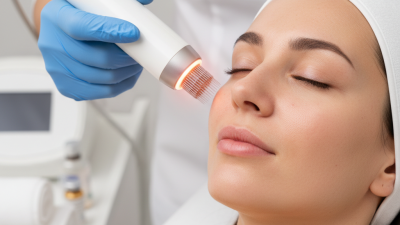
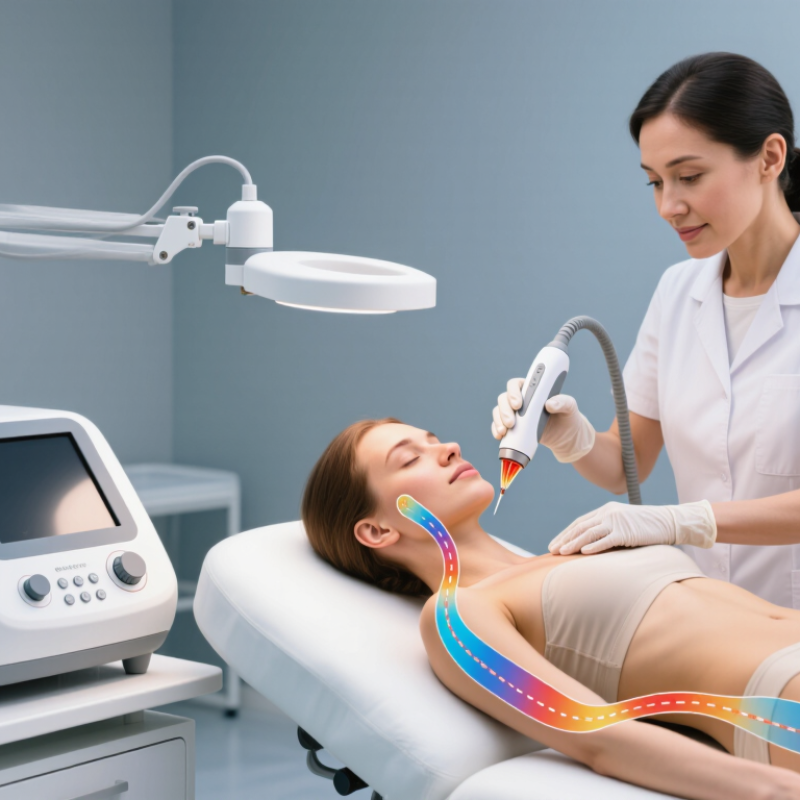
RF microneedling combines fine needles with radiofrequency energy. A handpiece places tiny needles into the skin at selected depths. Once they reach the target layer, they deliver controlled heat into the dermis. This creates small, purposeful treatment zones while leaving much of the surrounding skin intact. It is not a magic switch. The body’s healing response may gradually support collagen and elastin remodeling, but visible changes vary from person to person.

Needle depth, energy level, and pulse duration affect how treatment feels and how the skin responds. Settings should reflect the treatment area, skin condition, and individual medical history. A qualified provider assesses these factors and explains possible effects, such as temporary redness, swelling, or pinpoint marks. Device designs also differ; some needles are insulated, while others deliver energy along more of the needle shaft. Those details matter. They can be easy to overlook during a quick consultation.

Tips: Ask which skin layer the planned needle depth targets and why. Discuss healing time, aftercare, and whether your health history requires extra caution. Results are not guaranteed, and treatment plans may need adjustment.

Treatment Applications Across Common Skin Concerns

RF microneedling may be considered for several common skin concerns, including uneven texture, enlarged pores, mild acne scarring, and fine lines. Tiny needles create controlled channels while delivering radiofrequency energy into the skin. The goal is to support collagen remodeling, not to erase every mark.

Treatment plans depend on the concern and the area being treated. For example, a clinician may adjust needle depth across the cheeks, where shallow acne marks can differ from deeper scars. Around the jawline, treatment may focus on mild skin laxity or rough texture. It is gradual work. Visible changes often develop over multiple sessions, and results vary with skin type, scar depth, settings, and healing response.

A careful consultation matters. The provider should review medical history, current skin condition, and previous treatments before recommending a plan. Active irritation or certain health factors may call for postponing treatment or choosing another approach. Still, it is easy to overpromise. RF microneedling is not suitable for every concern, and deeper scars or significant laxity may need a different strategy. Clear expectations and appropriate aftercare help keep the treatment plan grounded.

Clinical and Operational Benefits for Aesthetic Practices

RF microneedling can give clinics a flexible option for addressing selected concerns, including acne scars and uneven skin texture. Treatment plans can be adjusted by area and patient, but outcomes vary. The American Society of Plastic Surgeons’ 2023 report recorded about 25.4 million minimally invasive cosmetic procedures in the United States, a 7% increase from 2022. This is a broad category, not a measure of RF microneedling demand. Still, it signals a sizable market for non-surgical care.

The operational fit matters, too. A clinic can schedule treatments around consultation, skin assessment, and aftercare rather than relying on a single, identical protocol. Staff need time for training, device checks, and clear discussions of discomfort, redness, and recovery. Not a shortcut. Before-and-after photography, consistent settings, and documented follow-ups help teams review outcomes and refine patient selection. These steps also take time and space, which smaller practices may underestimate. Results vary, and one patient’s improvement should not become a promise to another. The ASPS report offers useful market context, but clinics should weigh it alongside current clinical evidence, local patient needs, and their own treatment records.

Patient Suitability, Safety, and Treatment Considerations

Why Choose RF Microneedling Machines for Your Clinic? Patient Suitability, Safety, and Treatment Considerations

RF microneedling can suit patients seeking improvement in acne scars, fine lines, or uneven texture, but a device is not a substitute for assessment. Examine skin condition, treatment goals, healing history, and medication use. Active infection, inflamed acne, poor wound healing, or a history of raised scars may require postponing treatment or choosing another approach. The American Academy of Dermatology notes that microneedling can be used across skin tones, yet individual risks still matter. Darker skin is not an automatic exclusion; however, inflammation and excessive energy can trigger unwanted pigment changes. Discuss realistic outcomes, downtime, and alternatives before booking.

Safety depends on controlled settings and trained hands. A 2021 review in Dermatologic Surgery describes temporary redness and swelling as common responses to RF microneedling, while pigment changes and scarring are less common but possible. Keep the treatment area clean, use sterile single-use needle cartridges, and follow the device’s instructions. Check for implanted electronic devices and relevant medical conditions before treatment. Watch the skin closely during energy delivery; persistent pain or unusual discoloration deserves attention. Small details matter.

Treatment plans should reflect the patient, not a preset package. Record baseline photographs, needle depth, energy settings, and skin response at each visit. Explain that results develop gradually and may require several sessions. A patient may want dramatic change after one appointment. That expectation needs a candid conversation. Evidence and device protocols differ, so review current clinical guidance and avoid promising a fixed outcome.

Why Choose RF Microneedling Machines for Your Clinic? - Patient Suitability, Safety, and Treatment Considerations

Consideration What to Assess Practical Clinic Guidance
Potential treatment goals Patients may seek improvement in the appearance of acne scars, fine lines, uneven skin texture, or skin laxity. Results vary and are not guaranteed. Set realistic expectations during consultation. Explain that RF microneedling is not a substitute for surgery or a guaranteed treatment for every skin concern.
Patient selection Review the patient’s medical history, skin condition, prior procedures, medications, healing history, and expectations. Confirm that the intended treatment and treatment area are appropriate under the device’s instructions for use and the clinician’s training and scope of practice.
Skin condition at the treatment site Active infection, open wounds, or significant irritation in the planned treatment area may increase risk or interfere with healing. Defer treatment when appropriate and assess the skin again once the issue has resolved. Do not treat through an active infection.
Scarring and healing history Ask about keloids or hypertrophic scars, delayed healing, pigment changes after procedures, and previous adverse reactions. Use individualized risk assessment. Consider whether treatment should be avoided, modified, or deferred, and document the clinical rationale.
Medical conditions and medicines Conditions or medicines affecting immunity, bleeding, wound healing, or skin sensitivity may be relevant to procedural risk. Review relevant history and medicines with the patient. Seek appropriate medical input when needed; do not advise patients to stop prescribed medicines without the prescriber’s guidance.
Pregnancy and breastfeeding Evidence for elective RF microneedling during pregnancy or breastfeeding is limited, and clinic or device policies may vary. Discuss the uncertainty and consider postponing elective treatment. Follow applicable clinical guidance and the device’s labeling.
Implanted devices or metal near the area Some RF devices may be unsuitable for patients with certain implanted electronic devices or other implants near the treatment area. Check the specific device instructions for use and assess the implant’s location and type before treatment. Do not assume all devices have identical restrictions.
Skin tone and pigmentation risk RF energy is not based on targeting melanin, but post-inflammatory hyperpigmentation or other pigment changes can still occur. Assess the patient’s history of pigment changes, use device-appropriate settings, and provide clear sun-protection and aftercare advice.
Informed consent Discuss expected benefits, uncertainty of results, alternatives, recovery, and possible adverse effects, including pain, redness, swelling, burns, scarring, pigment changes, infection, or changes in facial contour. Obtain documented informed consent before treatment and allow time for questions. Explain when the patient should contact the clinic or seek medical care.
Device and operator safety Risks depend on the device, settings, technique, treatment area, and patient factors. Improper use can cause serious injury. Use a legally marketed device appropriate to the procedure, follow its instructions for use, maintain required training, and apply infection-control procedures. RF microneedling is not a home-use procedure.
Treatment planning Needle depth, energy, passes, and session timing vary by device, treatment area, indication, and patient response. Follow the device-specific protocol and clinical judgment rather than applying a single setting or schedule to every patient. Record settings and treatment areas.
Aftercare and follow-up Temporary redness, swelling, tenderness, or pinpoint bleeding may occur; recovery differs among patients and protocols. Give written, device-appropriate aftercare instructions, including gentle skin care and sun protection. Arrange follow-up and provide clear guidance for reporting unexpected or worsening symptoms.
When RF microneedling may not be the right choice A patient may have a contraindication, an untreated skin condition, expectations that cannot be met, or a preference for another approach. Offer appropriate alternatives or referral. A device’s availability does not make a patient suitable for treatment.

Clinical note: This table is for general educational use, not a substitute for medical assessment, professional training, local regulations, or the specific device’s instructions for use.

How to Evaluate an RF Microneedling Machine for Your Clinic

Choosing an RF microneedling machine for your clinic starts with the patients you treat and the services you can support. Check whether the device offers adjustable needle depth and energy settings suited to your intended treatment areas. Ask how settings are selected and what training is provided. A longer feature list is not automatically a better fit.

Tips: Request a hands-on demonstration. Check handpiece weight, screen readability, treatment time, and the cost of consumables. Ask about maintenance, warranty terms, and technical support. Small details matter during a busy clinic day.

Review the device’s safety instructions, treatment protocols, and evidence behind its claims. Confirm that staff can identify patients who may need extra assessment or should not be treated. A specification sheet rarely tells the whole story. Watch the workflow closely, from cartridge loading to cleaning between patients, and ask how the clinic documents settings and outcomes. Compare the total operating cost, not just the purchase price. It is easy to overlook training time or replacement parts. No machine guarantees a particular result, and patient response can vary. Choose equipment your team can use consistently, explain clearly, and maintain over time.

How to Evaluate an RF Microneedling Machine for Your Clinic

Suggested evaluation weighting (%) for comparing devices. These are planning weights, not market statistics or clinical performance claims; adjust them to your clinic’s needs.

Verify applicable regulatory clearances, intended uses, training requirements, and service terms directly with the manufacturer and relevant authorities before purchasing.