What Is the Best RF Microneedling Machine in 2026?
Choosing the best rf microneedling machine in 2026 takes more than comparing brand names or glossy before-and-after photos. The American Society of Plastic Surgeons’ 2023 procedural statistics reported continued growth in minimally invasive cosmetic treatments. That broader trend helps explain rising interest in energy-based skin procedures, but it does not prove that one device works best. A category-wide statistic is not a product test.
A useful comparison starts with practical details: adjustable needle depth, controlled radiofrequency delivery, handpiece design, and clear treatment protocols. These features affect how clinicians tailor treatments to different areas and patient needs. Training, maintenance support, and transparent safety information matter, too. Small details count. A comfortable grip and consistent needle movement may shape a clinician’s day as much as a headline specification.
This guide evaluates machines through those real-world considerations, alongside available clinical evidence and manufacturer documentation. It does not treat marketing claims as independent proof, or assume that newer means better. The right choice depends on the intended use, operator experience, and the evidence behind each system. Some comparisons remain difficult because public, head-to-head data are limited. That uncertainty deserves a mention. Before selecting a device, qualified professionals should review its instructions, training requirements, and applicable safety guidance.
What Is an RF Microneedling Machine?
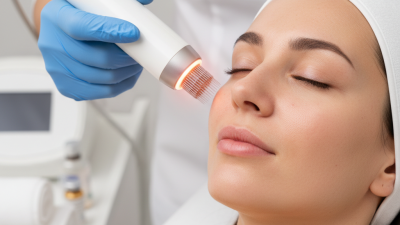
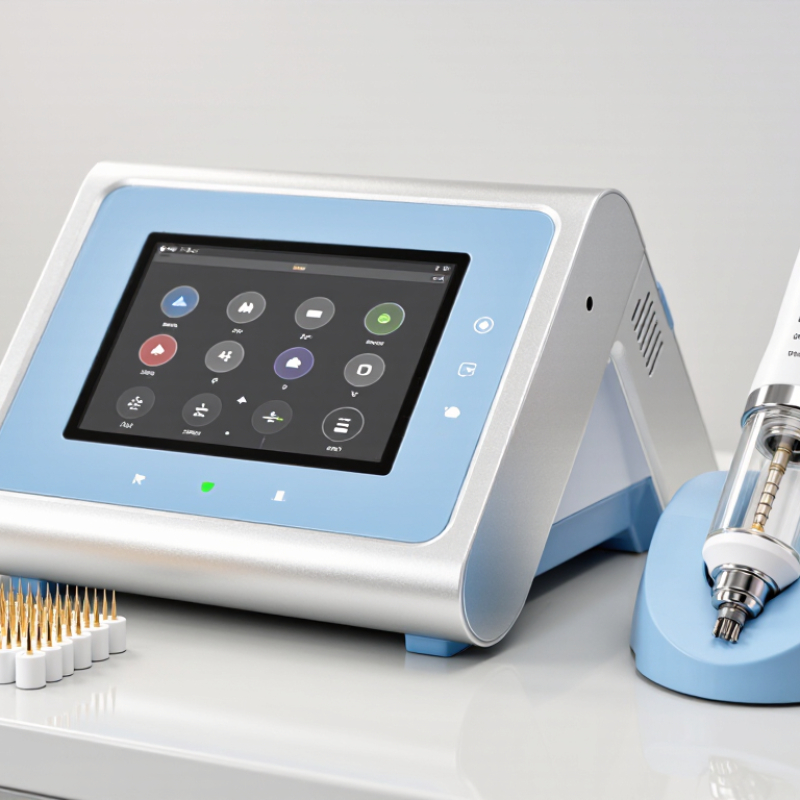
An RF microneedling machine combines fine needles with radiofrequency energy. The needles pass through the skin’s surface and deliver heat into selected tissue layers. This creates tiny, controlled treatment zones while leaving nearby skin relatively untouched. In response, the body begins a gradual repair process that can support collagen remodeling.
Not a simple facial gadget. A professional system typically lets a trained provider adjust needle depth, energy level, and pulse delivery. Those settings matter: facial skin varies across the cheeks, forehead, and jawline, and treatment goals differ. The machine’s handpiece, needle cartridge, and settings all affect how energy reaches the skin. Results are gradual, and they vary.
A consultation should cover skin history, expectations, possible discomfort, and recovery time. Temporary redness, swelling, or pinpoint marks can occur; less common complications are possible. Technique and hygiene matter as much as the device itself. And device specifications alone cannot predict results. It is fair to admit that marketing language can make comparisons sound more certain than real-world outcomes justify. A qualified clinician can explain whether the treatment suits a person’s skin and concerns.
What Is the Best RF Microneedling Machine in 2026?
What Is an RF Microneedling Machine?
RF microneedling combines fine needles with radiofrequency energy delivered into the skin. There is no single best machine for every treatment: needle-depth control, energy settings, safety features, and the clinician’s training all matter.
Illustrative 1 MHz sine wave over 10 microseconds (10 cycles). This mathematically generated waveform explains an RF signal; it is not a measurement of a particular device or a machine-performance comparison.
Which Features Matter When Comparing Machines in 2026?
When comparing RF microneedling machines in 2026, look beyond advertised power. Check whether operators can adjust needle depth, energy, and pulse duration independently. Clear controls matter. They help match treatment settings to the area being treated, rather than relying on a single preset. Ask for the device’s technical documentation and published clinical evidence; a polished screen is not proof of performance.
Needle design deserves close attention. Confirm whether needles are insulated, how deeply they can reach, and how consistently the system delivers energy. Ask how the machine monitors contact and what safeguards limit unintended heating. These details affect practical use, but they do not guarantee a particular result. The American Society for Dermatologic Surgery’s 2023 Consumer Survey reported that 70% of respondents were considering a cosmetic procedure. That signals interest, not proof that one device works better than another. Keep that distinction clear.
Also compare handpiece ergonomics, treatment logging, maintenance requirements, and staff training. A 2025 FDA safety communication lists reported risks from RF microneedling, including burns, scarring, fat loss, and nerve damage. Review its warnings alongside the manufacturer’s instructions and the clinic’s protocols. Small details matter. I would want to see how the handpiece feels during a full session, not just a short demonstration; that judgment is subjective, and I might still miss something. Ask who services the equipment, how often calibration is checked, and what happens if a treatment is interrupted.
How Do Leading RF Microneedling Machines Differ?
What Is the Best RF Microneedling Machine in 2026?
How Do Leading RF Microneedling Machines Differ?
Leading RF microneedling systems differ in needle depth, energy delivery, and treatment controls. Adjustable depth helps practitioners target different skin layers across areas such as the cheeks and jawline. Needle design matters, too: insulated needles concentrate energy near their tips, while non-insulated needles distribute it along the needle shaft. Neither design is automatically better for every treatment. Pulse duration, energy settings, and real-time impedance feedback can also affect consistency. Small details count.
Look beyond headline power. Check whether the device offers clear settings, reliable calibration, and practical options for different tip sizes. A 2023 Grand View Research report estimated the global microneedling market at USD 0.56 billion and projected 7.8% annual growth from 2024 to 2030. That figure describes market demand, not proven device superiority. A polished specification sheet cannot replace clinical evidence, practitioner training, or careful patient assessment. This part is easy to overlook. Compare published studies for the same treatment goal, and ask how outcomes and side effects were measured. Evidence remains uneven across devices, so claims deserve a closer look.
How Can Clinics Choose a Machine for Their Needs?
Choosing an RF microneedling machine starts with the clinic’s patients and treatment goals, not a feature list. Consider the areas commonly treated, skin concerns addressed, and experience level of the clinicians using it. A system with adjustable needle depth and energy settings may offer flexibility, but more options also require careful training. More controls are not always better.
Ask for a live demonstration using realistic treatment scenarios. Check whether settings are easy to read, handpieces feel balanced, and disposable tips are simple to track. Small details matter. Confirm what training is included, how often maintenance is recommended, and how quickly technical support responds. Review the full cost, including consumables and servicing, rather than comparing purchase prices alone. It is easy to overlook that part.
Safety and documentation deserve equal attention. Look for clear operating instructions, contraindication guidance, and practical protocols for cleaning and recordkeeping. Ask how the device’s settings are validated, and request supporting clinical information relevant to the treatments your clinic plans to offer. Avoid choosing based on dramatic before-and-after images alone; results vary by patient and protocol. A demo can be persuasive, but it may not reveal daily workflow issues. Compare notes with the clinicians who will actually use the machine, then choose a system your team can operate consistently and responsibly.