Why Choose RF Body Contouring for Your Clinic?
For clinic owners, choosing a new aesthetic technology requires more than attractive marketing. It demands evidence, clinical judgment, and a clear understanding of patient expectations. RF body contouring uses radiofrequency energy to heat targeted tissue under controlled conditions. Many clinics consider it because treatments can fit comfortably into busy schedules. Patients may appreciate minimal disruption to their daily routines. However, outcomes differ between individuals. They depend on tissue characteristics, treatment settings, lifestyle factors, and realistic treatment goals.
A well-managed clinic should assess each patient carefully before recommending RF body contouring. Consultation should include medical history, treatment objectives, contraindications, and expected results. Practitioners also need structured training, manufacturer guidance, and documented safety protocols. Temperature monitoring matters. So does consistent aftercare advice. A patient lying comfortably in a treatment room still deserves precise care and honest communication. Claims should remain measured, especially when discussing fat reduction, skin appearance, or body shape.
The technology is promising, not magical. That distinction builds trust.
Clinic owners should also review device quality, service support, maintenance requirements, and applicable regulatory standards. Reliable documentation can support safer decisions and more consistent experiences. Yet even strong protocols cannot remove every uncertainty. Some patients may respond slowly, while others may notice limited visible change. Clinics should track feedback, review outcomes, and adjust their approach when appropriate. This reflective process strengthens professional credibility. Ultimately, RF body contouring can become a valuable service when clinical responsibility leads the investment, rather than trends alone.

What Is RF Body Contouring and How Does It Work?
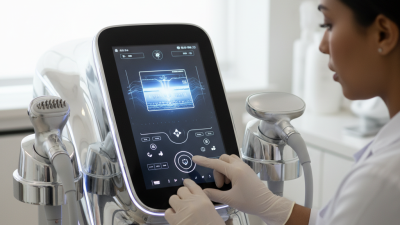
Radiofrequency (RF) body contouring uses controlled electromagnetic energy to warm selected tissue beneath the skin. A treatment handpiece delivers energy while sensors monitor temperature and skin contact. The goal is targeted heating, not weight loss.
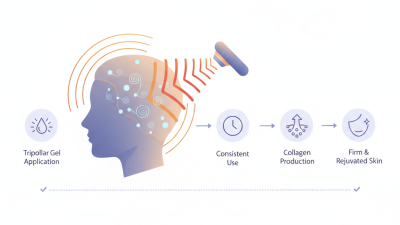
As tissue warms, collagen fibers contract slightly. Over time, the body may produce new collagen, which can improve the appearance of mild skin laxity. Some RF systems also heat fat tissue, supporting gradual contour refinement in suitable areas. Results depend on energy settings, anatomy, skin quality, and treatment frequency. The process is usually comfortable, with sensations similar to deep warmth. It should never feel sharply painful.
The science is not magic. Published clinical evidence supports modest improvements, but outcomes vary between patients. A qualified practitioner should review medical history, medications, skin sensitivity, and treatment goals before beginning. Cooling systems and temperature controls can reduce the risk of burns, yet no procedure is completely risk-free. Temporary redness, swelling, or tenderness may occur. Clinics should document device settings and monitor the skin throughout each session. Photos under consistent lighting help assess gradual changes more honestly. Some patients expect dramatic fat reduction and feel disappointed. Clear consultation matters. RF contouring works best as part of a realistic plan, alongside stable weight and healthy daily habits.
Key Benefits of RF Body Contouring for Clinics
Why Choose RF Body Contouring for Your Clinic?
RF body contouring can expand a clinic’s non-surgical treatment options. It uses controlled radiofrequency energy to warm targeted tissue. This may support temporary circumference reduction, skin tightening, or improved tissue texture. Results depend on patient selection, treatment settings, and clinical technique.
The ISAPS 2023 Global Survey recorded more than 19 million non-surgical aesthetic procedures worldwide. That figure shows strong interest in lower-downtime care. However, the report does not isolate RF body contouring. That limitation matters. Market demand is not proof of clinical effectiveness.
RF treatments usually require no incisions and often allow patients to return to routine activities quickly. Sessions may fit beside consultations, skincare services, or other scheduled treatments. Clinics can also monitor comfort and skin temperature during treatment. Proper training remains essential. Poor placement or excessive heat may increase discomfort and risk.
The American Society of Plastic Surgeons reported about 394,000 liposuction procedures in the United States in 2023. RF is not a substitute for surgery. It may suit clients seeking modest, gradual changes instead. Expectations should be discussed with clear photographs, realistic timelines, and documented consent.
A practical clinic should review contraindications carefully. Pregnancy, implanted electronic devices, altered sensation, and active skin conditions require professional evaluation. Results can be subtle. That is sometimes overlooked. Independent clinical evidence, equipment maintenance, and consistent follow-up protect both patients and the clinic’s credibility.
Treatment Areas and Patient Suitability
Why Choose RF Body Contouring for Your Clinic?
RF body contouring can support patients with mild skin laxity and small, resistant areas. Common treatment zones include the abdomen, flanks, thighs, upper arms, and lower back. Some systems also address the submental area, depending on their approved use. The 2023 ASPS Procedural Statistics reported more than 300,000 noninvasive fat-reduction procedures in the United States. This reflects continuing demand, not guaranteed results. RF is not a weight-loss treatment. The FDA states that non-invasive body contouring does not treat obesity or improve health.
Suitable patients usually maintain a stable weight and have realistic expectations. They may notice loose skin after childbirth, aging, or moderate weight changes. A consultation should review medical history, skin condition, sensation, and implanted electronic devices. Pregnancy, active skin infections, and certain metal or electronic implants may require postponement or exclusion. Clinical judgment matters. More is not always better. In my view, clinics should document baseline photographs and measurements, then reassess after the full treatment plan. Some patients improve subtly, and that can disappoint them.
Tips: Match the treatment area to the device’s cleared indication. Use conservative energy settings and monitor skin temperature. Explain possible redness, tenderness, swelling, and rare thermal injury. Avoid promising dramatic fat loss. Published evidence supports careful patient selection, but protocols still vary. Keep reviewing outcomes, because real-world results can expose gaps in the original plan.
Safety Considerations and Possible Side Effects
Why Choose RF Body Contouring for Your Clinic?
Safety Considerations and Possible Side Effects
Radiofrequency body contouring uses controlled heat to affect selected tissue beneath the skin. It may suit patients seeking modest contour improvement without surgery. However, safety depends on assessment, training, and careful energy control.
A qualified clinician should review medical history, medications, skin sensation, and previous procedures. Avoid treatment over open wounds, active infections, or areas with reduced sensation. Patients with implanted electronic devices may require specialist advice before treatment. Pregnancy also requires postponement. Small details matter.
During treatment, the skin may feel warm, tight, or briefly uncomfortable. Temporary redness, swelling, tenderness, or numbness can appear afterward. Most effects settle within hours or several days. Rarely, excessive heat may cause blistering, burns, pigment changes, or prolonged nerve sensitivity. Cooling and constant skin monitoring reduce, but do not remove, these risks.
The applicator should maintain full contact with the treatment area. Uneven contact can create uneven heating. That sounds obvious, yet rushed sessions can make it easier to miss. Use documented settings, inspect the skin repeatedly, and stop when discomfort becomes sharp or unusual. Clear consent should explain possible side effects, realistic outcomes, and the need for follow-up. No protocol is perfect. A patient’s response may differ from the treatment plan. Record temperature, energy level, treatment duration, and skin reactions after every session. Any worsening pain, blistering, marked swelling, or persistent numbness deserves prompt clinical review.
Why Choose RF Body Contouring for Your Clinic? - Safety Considerations and Possible Side Effects
| Safety Dimension | Evidence-Based Information | Possible Side Effects or Risks | Recommended Clinical Control |
|---|---|---|---|
| Treatment type | Non-invasive radiofrequency devices deliver controlled electromagnetic energy to heat targeted tissue. Intended outcomes may include temporary circumferential improvement, skin tightening, or reduction in the appearance of cellulite, depending on the device and indication. | Results vary by device, treatment area, patient characteristics, and treatment protocol. RF body contouring is not a substitute for weight-loss treatment. | Use the device only for its cleared or approved indication, and explain realistic outcomes during consultation. |
| Common short-term reactions | Temporary warmth, mild redness, swelling, tenderness, or sensitivity can occur after treatment and commonly resolve without intervention. | Discomfort, erythema, edema, and temporary sensitivity are generally mild, but individual responses differ. | Monitor skin response during treatment, maintain communication with the patient, and provide aftercare instructions. |
| Thermal injury | Excessive energy, prolonged exposure, poor applicator contact, or inadequate temperature monitoring can increase the risk of burns. | Rare but potentially serious effects include blistering, burns, crusting, pigment changes, scarring, and prolonged pain. | Follow the manufacturer’s energy and time limits, use appropriate temperature monitoring, keep the applicator moving when required, and stop treatment if excessive heat or pain occurs. |
| Pain and comfort | Most non-invasive RF treatments are designed to provide tolerable heating, but comfort levels vary between patients and body areas. | Moderate discomfort, tenderness, temporary numbness, or altered sensation may occur. | Use a validated comfort scale, check in regularly, and adjust or discontinue treatment when discomfort becomes excessive. |
| Pigmentary changes | Inflammation or thermal injury may affect skin pigmentation, particularly in patients with a history of post-inflammatory hyperpigmentation. | Temporary or persistent hyperpigmentation or hypopigmentation is possible, although it is not expected in every patient. | Review skin history, avoid treating irritated or recently sunburned skin, use validated settings, and document any pigment changes. |
| Implanted electronic devices | RF energy may create safety concerns for some implanted electronic or metallic devices, depending on the technology and treatment location. | Possible risks include device interference, heating, or tissue injury. | Screen for pacemakers, implantable cardioverter-defibrillators, neurostimulators, insulin pumps, metal implants, and other implanted devices. Follow the specific device labeling and obtain medical clearance when appropriate. |
| Pregnancy and breastfeeding | The safety of elective RF body-contouring procedures during pregnancy has not been established. | Potential fetal or maternal risks are not sufficiently defined for routine elective treatment. | Do not treat pregnant patients. Establish a clinic policy for pregnancy screening and defer elective treatment when safety has not been established. |
| Active skin conditions | Inflamed, infected, wounded, or recently irritated skin may be more vulnerable to heat and friction. | Treatment may worsen irritation, delay healing, or increase discomfort. | Defer treatment over open wounds, active infection, severe dermatitis, or significant inflammation until the condition has resolved or has been medically assessed. |
| Reduced sensation or neuropathy | Patients with reduced thermal sensation may not recognize excessive heat promptly. | Higher risk of unnoticed overheating, burns, or delayed reporting of adverse effects. | Assess sensation before treatment and avoid or medically review treatment when protective sensation is impaired. |
| Recent surgery or procedures | Healing tissue may be more sensitive to pressure and heat. The appropriate waiting period depends on the procedure, treatment area, and clinician assessment. | Pain, swelling, delayed healing, or aggravation of a surgical site may occur if treatment is performed too soon. | Obtain a detailed medical and procedural history and defer treatment until adequate healing and medical clearance are confirmed when necessary. |
| Infection control | Clean equipment, intact skin, and appropriate hygiene reduce the risk of cross-contamination and skin infection. | Contaminated applicators or poor hand hygiene can contribute to infection or folliculitis. | Disinfect equipment according to the manufacturer’s instructions, use clean coupling materials, and maintain documented cleaning procedures. |
| Patient selection | Appropriate candidates generally seek modest contour or skin-quality improvement and have stable expectations about gradual or variable results. | Unsuitable expectations may lead to dissatisfaction even when the procedure is performed safely. | Use a standardized consultation, review contraindications, photograph or measure the treatment area consistently, and obtain informed consent. |
| Adverse-event follow-up | Persistent pain, increasing swelling, blistering, marked color change, numbness, or signs of infection require clinical assessment. | Delayed evaluation may allow a preventable complication to worsen. | Provide written warning signs, a direct contact pathway, treatment documentation, and an escalation process for medical review or referral. |
Safety note: RF body-contouring procedures should be performed only with legally marketed equipment, by appropriately trained personnel, and in accordance with applicable regulations, device labeling, and clinical protocols. Individual risks depend on the patient and the specific RF technology.
How to Select an RF Body Contouring System
Selecting an RF body contouring system requires more than comparing power ratings. Grand View Research estimated the global body contouring devices market at about USD 1.9 billion in 2023, with continued growth expected through 2030. That expansion increases choice, but also increases confusion. Define your clinic’s treatment area, patient profile, appointment time, and staff training capacity before reviewing equipment.
Check the system’s intended use, regulatory clearance, and documented safety controls. The U.S. FDA warns that radiofrequency devices may cause burns, pain, swelling, or pigment changes when used improperly. Ask for temperature monitoring, automatic energy adjustment, emergency shutoff, and clear contraindication guidance. Review clinical evidence, not only marketing images. A 2023 ISAPS global survey recorded millions of non-surgical aesthetic procedures, showing strong demand, but demand does not prove that every device performs equally well.
Request practical demonstrations on different body areas. Observe how evenly the handpiece contacts skin, how quickly it heats, and whether patients tolerate the session. Calculate consumable costs, service response time, warranty terms, and operator training. IEC 60601 electrical safety documentation and ISO 14971 risk-management processes can strengthen due diligence. Still, paperwork is not enough. I would test the workflow with real staff before purchasing. Early evaluations can feel imperfect. That is useful. A system that looks impressive during a short demonstration may become slow, uncomfortable, or difficult to maintain during a busy clinic day.