


7 Tripollar VX Buying Tips for Global Buyers?
Buying a tripollar vx from overseas requires more than comparing prices. Global buyers must examine authenticity, warranty coverage, seller experience, and after-sales support. A polished product page can still hide important gaps. Check the model number, plug type, voltage range, included accessories, and return conditions before paying.
Dr. Michael H. Gold, a board-certified dermatologist and aesthetic medicine specialist, offers a useful buying principle: “Choose technology that fits the patient, not the marketing claim.” That advice applies to every tripollar vx purchase. Buyers should review the device’s radiofrequency technology, treatment instructions, safety features, and recommended skin types. They should also confirm whether local service centers can handle repairs. Small details matter. A missing adapter can stop a treatment routine immediately.
This guide presents seven practical buying tips for international customers. It considers seller verification, pricing, shipping, customs documentation, warranty language, and user support. It also encourages buyers to question impressive promises. Marketing language is not clinical evidence. Product specifications deserve closer attention. Some comparisons may remain imperfect because regional packages and policies change. That uncertainty should be acknowledged, not ignored.
Real buying experience often reveals overlooked problems. A discounted tripollar vx may become expensive after shipping, taxes, or replacement costs. A reliable seller should provide clear photos, serial-number information, and responsive answers. Buyers should keep invoices and unboxing photos for future claims. Careful research cannot remove every risk. It can reduce avoidable mistakes and support a safer, more informed purchase.
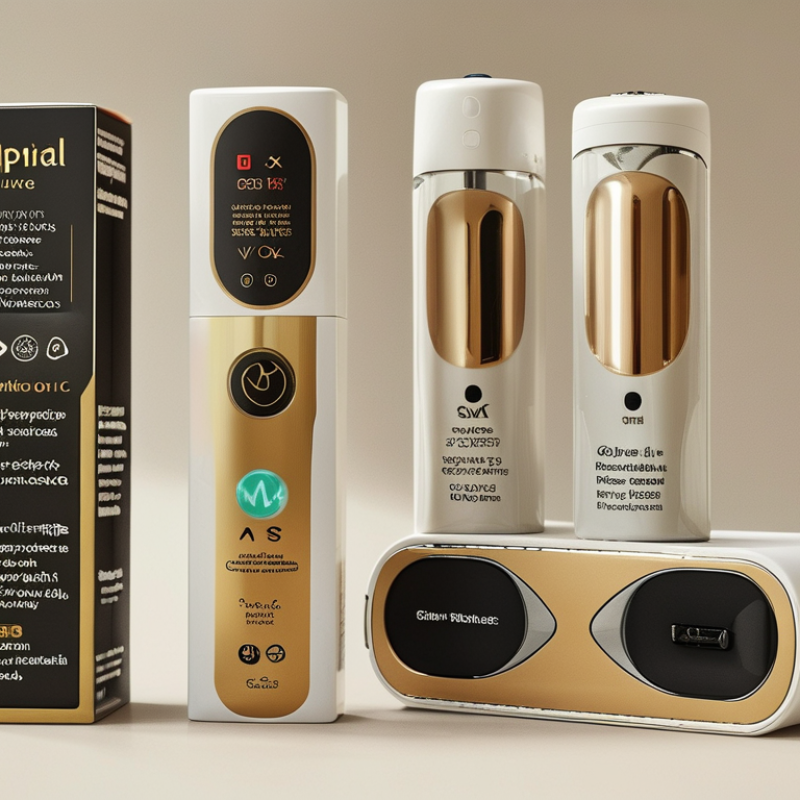
Tripollar VX: Key Features and Intended Uses
For global buyers, understanding the device’s purpose matters more than its appearance. This home-use facial device typically uses multi-polar radiofrequency energy to warm deeper skin layers. Controlled warmth may support a firmer-looking face and smoother fine lines. It is designed for cosmetic maintenance, not medical treatment. Some models include temperature sensors, several intensity levels, and a rechargeable handle. These features can improve comfort and consistency during short sessions. Still, a higher setting is not automatically better.
In practical use, clean, dry skin is essential before applying conductive gel. Move the device slowly across the cheeks, jawline, and forehead. Avoid the eyelids, throat center, broken skin, and irritated areas. The learning curve is real. I initially expected visible change after one session, but that expectation was unrealistic. Results usually depend on routine, skin condition, and correct technique. Buyers should check electrical compatibility, user instructions, warranty coverage, and local safety requirements before ordering internationally. People with implanted electronic devices, certain metal implants, pregnancy, or active skin conditions should seek professional advice first. Keep the device away from water, and stop if heat becomes painful. A small amount of redness may occur, but discomfort should not be treated as proof of effectiveness.
7 Tripollar VX Buying Tips for Global Buyers? - Tripollar VX: Key Features and Intended Uses
| Buying Tip | Feature or Data Dimension | What Buyers Should Verify | Intended Use and Practical Value |
|---|---|---|---|
| 1. Identify the treatment category | At-home facial skin-care device using energy-based technology, such as radiofrequency, electrical stimulation, or a combination of modalities. | Check the user manual for the exact technology, operating principle, output range, treatment duration, and safety controls. | Generally intended for cosmetic skin-care routines, including temporary improvements in skin smoothness, firmness, and overall appearance. It is not a substitute for medical treatment. |
| 2. Confirm the treatment areas | Typical facial application zones include the cheeks, jawline, forehead, and neck, subject to the manufacturer’s instructions. | Verify whether the device is approved for the neck, around the eyes, lips, thyroid area, or other sensitive zones. Do not assume every facial area is suitable. | Helps buyers choose a device that matches their intended routine and prevents use on areas that may require special restrictions. |
| 3. Review the operating modes | Common control dimensions include intensity levels, treatment modes, automatic timers, temperature monitoring, contact sensors, and indicator lights or sounds. | Look for clearly documented intensity settings, session limits, adjustment controls, and automatic shut-off functions rather than relying only on marketing descriptions. | Adjustable controls can improve comfort and help users follow a gradual routine, especially when they are new to energy-based skin-care devices. |
| 4. Check power and regional compatibility | Important specifications include input voltage, power-adapter type, plug configuration, battery capacity if applicable, charging method, and operating time. | For international purchases, confirm voltage compatibility, plug adapters, charging standards, customs requirements, and whether replacement chargers are available locally. | Reduces the risk of charging problems, electrical damage, shipping delays, or difficulty using the device in the buyer’s country. |
| 5. Evaluate the treatment routine | A practical routine should specify skin preparation, use of a suitable conductive medium when required, movement direction, session length, frequency, and post-treatment care. | Confirm the recommended number of sessions per week, whether the device must remain in motion, and which gels or water-based products are compatible. | Clear instructions support consistent use and may help reduce discomfort, excessive heat, uneven treatment, or skin irritation. |
| 6. Review safety and contraindications | Relevant safety factors may include pregnancy, implanted electronic devices, metal implants near the treatment area, active skin conditions, recent cosmetic procedures, and photosensitivity. | Read the complete contraindications section and consult a qualified healthcare professional when a medical condition, medication, implant, or recent procedure may affect suitability. | Safety information is essential because energy-based devices may not be appropriate for every user or every skin condition. |
| 7. Compare support and ownership costs | Total ownership considerations include warranty duration, return policy, user-manual languages, customer support, replacement parts, consumables, delivery costs, taxes, and import duties. | Obtain written information about international warranty coverage, repair procedures, return shipping responsibility, product authenticity, and after-sales service in the destination market. | A lower purchase price may not represent better value if accessories, replacement components, taxes, or cross-border service costs are high. |
Note: Intended uses, technical specifications, safety restrictions, and treatment schedules should always be confirmed in the current official user documentation before purchase or use.
Related Posts
-

Tripollar VX Benefits and Tips for Global Buyers
-

Why Choose Tripollar VX for Non Invasive Skin Treatment?
-
Top Radio Frequency Machine Options for 2026 Buyers?
-

What is Radio Frequency Facial and How Does It Work?
-
10 Best Radiofrequency Facial Treatments for Youthful Skin?
-
How to Choose the Right Geneo Facial Machine for Your Business?