7 Tri Pollar Buying Tips for Global Buyers
Buying a tri pollar device across borders is not just a matter of choosing a sleek handset. Buyers must connect product claims with clear specifications, supplier records, and their customers’ needs. Small details matter. A familiar model name may cover different versions, accessories, plugs, or warranty terms. Confirm each item in writing before comparing prices.
This guide presents seven practical buying tips for evaluating tri pollar products and suppliers. It encourages buyers to check the exact model, treatment functions, user instructions, and after-sales support. Ask for dated product documents and photos showing labels, packaging, and included components. Then compare quotations on the same basis, including shipping, payment terms, lead time, and spare-part availability. For devices sold in different markets, verify applicable safety, labeling, and import requirements with qualified local sources. Requirements change. A supplier’s general assurance is not proof of compliance.
Price still matters, but the lowest quote can become costly if documentation is missing or support is slow. A polished listing is not enough. Request written answers, retain records, and test a sample when practical before placing a larger order. These checks cannot remove every risk; product information may be incomplete, and buyers should question assumptions. The aim is a transparent decision, not a perfect one. The tips ahead help global buyers ask better questions, compare offers fairly, and choose with care.
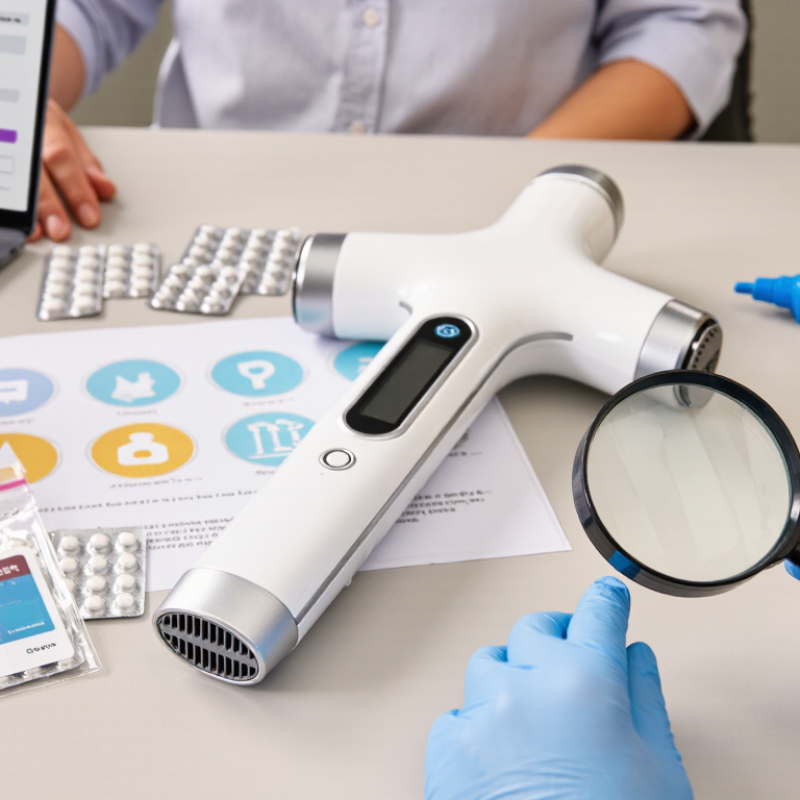
Understanding TriPollar Technology and Device Types
Tri-polar radiofrequency uses several electrodes to deliver energy between contact points. The energy warms tissue beneath the skin, while the handpiece’s surface touches the treatment area. In practice, electrode spacing and contact can affect how evenly warmth is felt. A comfortable, even sensation matters more than a dramatic heat level. Heat alone is not proof of effectiveness.
Devices generally fall into two groups: home-use models and professional systems. Home devices are usually designed for simpler controls and guided routines, while professional units may offer more adjustable settings and larger treatment heads. These differences do not guarantee better results. Check what the device is intended to treat, how its instructions define use, and whether it includes temperature monitoring or clear safety guidance. Small details count.
For facial use, a compact head may suit smaller areas, such as the cheeks or jawline. Larger heads can cover broader body areas, but may be awkward around curves. I would not judge a device by a polished demonstration alone. Skin types and comfort levels vary, and visible results are not assured. Review contraindications carefully, especially if you have a medical condition, implanted device, or unusual skin sensitivity; seek qualified advice when uncertain. Some specifications are easy to compare. Real-world comfort is harder.
Matching Treatment Goals to the Right Model
Begin by defining the treatment goal, not by comparing price tags.
Is the priority facial firming, improving the look of uneven texture, or treating a larger body area? Different Tri Pollar models may vary in handpiece size, electrode layout, adjustable settings, and treatment protocols. These details affect how a practitioner can work across curved areas, such as the jawline, or broader zones, such as the abdomen.
Small details matter.
Ask for the manufacturer’s intended-use information, training requirements, and clear operating instructions. Confirm that the model’s treatment areas and settings suit your clients’ needs, and check how cleaning, maintenance, and replacement parts are handled locally. A polished specification sheet can be persuasive, but it does not prove a device fits your practice.
I would avoid choosing based on a single headline feature. It is also worth reviewing screening guidance and referral procedures; suitability can depend on individual health factors. Results vary, and no model can promise the same outcome for every person.
A little uncertainty is useful here.
Compare the treatment workflow in a live demonstration, and notice whether controls are easy to adjust while maintaining steady contact with the skin.
Checking Seller Credentials and Product Authenticity
When comparing Tri Pollar devices, assess the seller as carefully as the product. Ask for the registered business name, a working physical address, and a dated invoice showing the exact model. Check that these details match across the seller’s website, payment page, and warranty documents. Small mismatch? Pause. Request written proof that the seller is authorized to supply the device. Confirm this through the manufacturer’s official support channel, using contact details you find independently. A polished storefront is not proof.
For authenticity, request clear photos of the device, product label, serial number, packaging, and included accessories. Compare the model and serial details with the manufacturer’s records, if available; a QR code alone can be copied. Ask for a recent video showing the device powering on and its controls working. Review return, repair, and warranty terms before paying, and keep your messages and receipt. Be cautious if images are blurry, serial labels are hidden, or the price seems unusually low. No single check settles the question. It is easy to trust confident wording too much, so pause when details do not line up.
Comparing Features, Pricing, and Warranty Coverage
Feature lists can look impressive, but compare functions you will actually use. Check energy settings, treatment modes, applicator design, and cleaning instructions. Ask whether the device suits your intended routine and skin concerns; broad performance claims alone are not enough. Small details matter. For international orders, confirm the voltage range, plug type, included accessories, and whether replacement parts can be shipped to your region. Photos are not enough.
Compare the full landed price, not just the listed cost. Shipping, import charges, and local taxes may change the final amount. Check whether the package includes essentials or requires separate purchases. A cheaper device can cost more over time if key parts are difficult to replace. Warranty terms deserve the same close attention. Look for the coverage period, exclusions, repair process, and who pays return shipping. Confirm whether service is available in your country and whether proof of purchase is required. Get the terms in writing before paying. A tidy comparison table helps, but it can miss practical details; I would still verify unclear points directly with the seller.
Planning Shipping, Import Compliance, and After-Sales Support
For global buyers, delivery planning deserves the same attention as treatment specifications. The World Bank’s 2023 Logistics Performance Index estimates an average 44 days for shipments to move from a port of entry to their destination. Actual transit times vary widely. Treat that figure as a planning reference, not a promise. Before ordering, confirm carton dimensions, gross weight, shipping terms, tracking milestones, and who handles customs clearance. UNCTAD’s Review of Maritime Transport 2024 reports that over 80% of global trade by volume moves by sea, so sea freight can suit planned purchases—but allow room for delays.
Check destination-market requirements before production. Ask for applicable electrical safety and electromagnetic compatibility test reports, product labels, and user instructions. Verify requirements with your importer or a qualified local compliance professional; a supplier’s paperwork alone may not settle every question. Confirm the product’s customs classification with the responsible broker, too. Small classification differences can affect documentation and landed costs.
After-sales support needs specifics. Request written warranty terms, expected response times, troubleshooting steps, and the availability of replacement parts such as handpieces or power supplies. A spare-part list is useful. So is a named service contact. Ask how faults are diagnosed when the device is overseas, and who pays return freight if repair is needed. Honestly, even a careful checklist cannot predict every customs hold or technical issue; buyers should leave time and budget for the inconvenient cases.