


How to Choose a Tripolar Radio Frequency Machine in 2026?
Choosing a tripolar radio frequency machine in 2026 requires more than comparing prices or polished product photos. Clinics and home users should examine technical performance, operator safety, treatment goals, and supplier reliability. A machine may look advanced, yet its controls can feel confusing during a real session.
Start with the intended use. Facial firming, body contouring, and general skin warming may require different power ranges, electrode designs, and treatment protocols. Check whether the device provides adjustable intensity, stable energy delivery, temperature monitoring, and automatic safety limits. These details matter when treating delicate areas around the eyes, jawline, or neck. Ask for clear specifications, user training, warranty terms, and maintenance support. Independent testing or recognized quality certification can also strengthen confidence, but certification claims should be verified directly.
Practical experience matters.
Before purchasing, request a demonstration with realistic treatment conditions. Observe how evenly the handpiece heats, how quickly it reaches the target temperature, and whether the display remains readable under bright clinic lighting. Listen for excessive fan noise. Small details affect daily use. I would not judge effectiveness from one demonstration alone, because results vary with skin condition, technique, and treatment frequency. That uncertainty deserves honest attention.
A reliable buying decision also considers contraindications and professional guidance. Users should follow the manufacturer’s instructions and seek advice from qualified practitioners when appropriate. This guide will compare key specifications, safety features, treatment comfort, operating costs, and after-sales service. The goal is not to promote the most expensive device. It is to identify a balanced, evidence-informed option that performs consistently in ordinary practice.
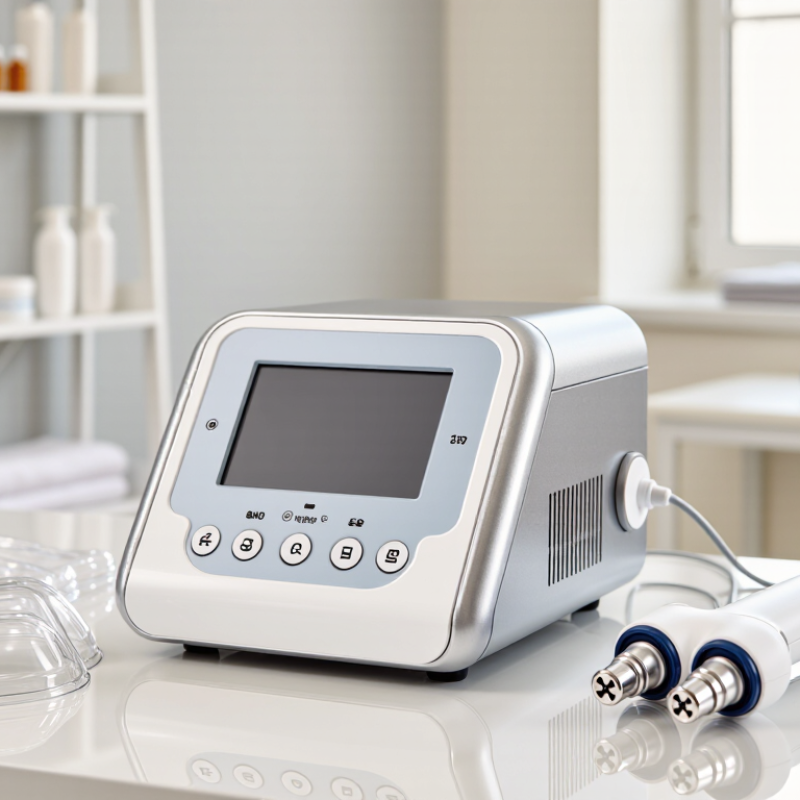
What Is a Tripolar Radio Frequency Machine?
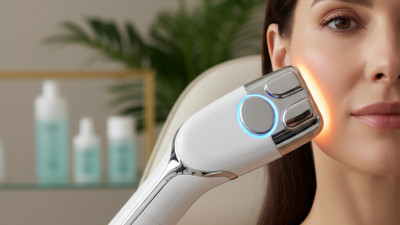
A tripolar radio frequency machine uses three electrodes to deliver controlled, non-ionizing energy into the skin. The current moves between electrode pairs, creating gentle heat in the dermal tissue. This heating may support collagen remodeling and temporary skin tightening. Unlike bipolar systems, tripolar technology can distribute energy across a wider treatment area. However, electrode number alone does not prove better performance.
Professional reports show why careful selection matters. Grand View Research estimated the global aesthetic medicine market at about USD 18 billion in 2023, with continued growth expected through 2030. This expansion brings more devices, but also more confusing claims. A 2024 review in the Journal of Cosmetic Dermatology noted that radio frequency outcomes depend on energy settings, treatment intervals, skin condition, and operator technique. The machine is only one part of the result. I would not treat a marketing chart as clinical proof.
Tips: Check temperature feedback, adjustable power, electrode contact, and treatment records. Ask for safety testing under IEC 60601 standards. Confirm operator training and clear contraindication guidance. Use devices with documented clinical evidence, not only before-and-after photos. Comfort is useful, but it is not a safety measurement. Skin may feel warm while deeper tissue receives uneven energy, especially with poor contact. Some claims remain uncertain, so careful monitoring and honest consent matter.
| Selection Dimension | What It Means | Common Technical Information | What to Look For | Why It Matters |
|---|---|---|---|---|
| Technology Type | A tripolar radio frequency machine uses three electrodes to deliver RF energy through the treatment area. The electrical field is distributed between the electrode contacts rather than being delivered through a single active electrode and a separate return plate. | Three contact electrodes are commonly arranged in a triangular or similar configuration. The exact electrode spacing and current pathway vary by applicator design. | Confirm that the device is specifically designed as tripolar RF and that the electrode configuration is clearly described in the technical documentation. | Electrode arrangement affects energy distribution, treatment coverage, comfort, and the depth at which tissue heating occurs. |
| Operating Frequency | Frequency describes how rapidly the alternating electrical current changes. Different RF systems use different frequencies and operating modes. | Professional aesthetic RF systems commonly operate in the radio-frequency range, often from hundreds of kilohertz to several megahertz. The exact value must be verified in the device specifications. | Choose a system with a clearly stated frequency, stable output, and documentation explaining the intended treatment area. | Frequency, electrode geometry, contact, and tissue properties all influence energy distribution and heating. Frequency alone does not determine treatment quality. |
| Output Control | Output control determines how much RF energy is delivered and how quickly the target tissue heats. | Useful controls may include adjustable power, treatment time, pulse or continuous modes, and temperature-based regulation. | Prefer independent, clearly marked settings with gradual adjustment rather than a single fixed intensity. | Adjustable output helps accommodate different body areas, skin conditions, treatment goals, and individual comfort levels. |
| Temperature Monitoring | Temperature monitoring helps the operator control tissue heating during treatment. | Some systems use an integrated temperature sensor, while others rely on an external infrared thermometer or operator monitoring. Measurement location and response time differ by model. | Look for real-time temperature display, an adjustable temperature limit, automatic power reduction, and an over-temperature alarm. | RF treatment is intended to produce controlled heating. Monitoring can reduce the risk of excessive heating and improve treatment consistency. |
| Typical Treatment Temperature | Surface temperature is used as a practical control reference during many non-invasive aesthetic RF procedures. | Many professional protocols aim for a controlled skin-surface temperature in approximately the 40–42°C range, but the correct target depends on the device, treatment area, protocol, and client response. | Use the temperature range specified in the manufacturer’s instructions and follow trained clinical judgment. Do not select a machine solely because it advertises a higher temperature. | Excessive heat can increase discomfort and the risk of burns, while insufficient heating may reduce the intended treatment effect. |
| Applicator Size | Applicator size affects coverage, maneuverability, and suitability for different anatomical areas. | Smaller heads are generally easier to use around the face and other contoured areas. Larger heads can cover broader body areas more efficiently. | Choose a system with applicators suited to the intended areas, such as the face, neck, abdomen, arms, or thighs. | A suitable applicator can improve contact, treatment uniformity, operator control, and overall session efficiency. |
| Contact Detection | Contact detection checks whether the electrodes are properly touching the skin before or during energy delivery. | Some devices reduce or stop RF output when contact is insufficient. Detection methods and sensitivity vary. | Prioritize systems with contact sensing, visible status indicators, and automatic energy interruption when contact is lost. | Good contact control helps prevent uneven delivery, discomfort, and localized overheating. |
| Cooling or Comfort Features | Cooling, vibration, acoustic feedback, or ergonomic applicator design may improve treatment comfort. | Cooling may be integrated into the handpiece or provided as a separate feature. Not every tripolar RF machine includes active cooling. | Check whether cooling operates before, during, or after RF delivery and whether it can be adjusted independently. | Comfort features may make treatment easier to tolerate, but they do not replace correct temperature monitoring and proper technique. |
| Treatment Indications | Tripolar RF is commonly used in non-invasive aesthetic procedures intended to heat tissue and support temporary improvements in skin appearance and skin firmness. | Common applications include facial and body skin tightening protocols and the appearance of fine lines. Results vary by person and treatment plan. | Select a machine whose cleared or authorized indications match the services you intend to provide in your jurisdiction. | Using a device outside its authorized indications may create safety, compliance, and expectation-management problems. |
| Treatment Protocol | A protocol defines preparation, electrode movement, energy settings, treatment duration, endpoint, and aftercare. | Protocols vary according to body area, applicator, skin condition, treatment objective, and device design. A universal session time or power level does not apply to every machine. | Choose a device supplied with detailed protocols, operator training materials, and clear guidance for different treatment areas. | A documented protocol supports repeatable treatments and reduces the risk of inconsistent or excessive energy delivery. |
| Safety Screening | Client screening identifies conditions that may increase the risk of adverse effects or require medical evaluation. | Important screening topics can include implanted electronic devices, metal in or near the treatment area, pregnancy, active skin infection, open wounds, reduced sensation, and recent procedures. | Use a written consultation form, obtain informed consent, and follow the device instructions and local professional requirements. | RF is not appropriate for every person or every treatment area. Screening is a core part of safe use. |
| Regulatory Documentation | Regulatory status indicates whether the device is legally permitted for its intended use in a specific market. | Requirements differ by country or region and may include registration, conformity assessment, electrical safety testing, labeling, and quality-system documentation. | Verify current documentation for the country where the machine will be operated. Do not rely only on marketing claims. | Regulatory compliance supports lawful operation, safer purchasing, and more reliable product traceability. |
| Electrical Safety | Electrical safety concerns protection from shock, overheating, leakage current, and power instability. | Relevant information may include rated voltage, frequency, power consumption, grounding requirements, electrical safety testing, and replacement fuse specifications. | Confirm compatibility with the local power supply and request current electrical safety and maintenance documentation. | Correct electrical installation reduces equipment failure and operator or client safety risks. |
| Maintenance and Calibration | Maintenance keeps the RF generator, sensors, cables, electrodes, and temperature controls functioning as intended. | Maintenance intervals vary. Temperature sensors and output controls may require periodic inspection or calibration according to the service manual. | Check service intervals, calibration procedures, spare-part availability, cleaning instructions, and technical support arrangements. | Regular maintenance helps preserve output consistency and allows safety faults to be identified early. |
| Operator Training | Training covers device operation, skin assessment, contraindications, electrode movement, temperature control, emergency response, and aftercare. | Training may be delivered through written manuals, supervised instruction, or competency-based practical education. | Choose a system supported by structured training and clear instructions for each applicator and treatment mode. | Operator technique strongly affects energy distribution, comfort, consistency, and the likelihood of adverse events. |
| Evidence and Expected Results | RF can produce controlled heating, but visible outcomes differ according to age, skin condition, treatment settings, lifestyle, and the number of sessions. | Results are generally gradual and may be temporary or variable. A single machine should not be presented as a guaranteed solution for weight loss or permanent tissue change. | Review clinical evidence relevant to the exact technology and indication, and communicate realistic outcomes and possible adverse effects. | Accurate claims support informed consent and help prevent unrealistic expectations. |
| Best Overall Buying Criteria | The best tripolar RF machine is not necessarily the one with the highest advertised power or the lowest price. | A balanced evaluation includes verified specifications, temperature control, contact safety, suitable applicators, regulatory documentation, training, service support, and total operating cost. | Compare technical documents, warranty terms, consumables, service availability, and the intended clinical workflow before purchasing. | A complete assessment improves safety, usability, long-term value, and the consistency of professional treatments. |
Related Posts
-
7 Best Tripolar RF Machines for Global Buyers?
-
What Is the Best Tri Polar Radio Frequency Machine?
-

How to Achieve Smooth Skin with Radiofrequency Facial Treatments?
-

China Top 10 Radiofrequency Facial Machine Manufacturers
-
China Top Tripollar Radio Frequency Manufacturers?
-
Top 5 Best Tripolar RF Devices for Effective Skin Tightening Solutions?


