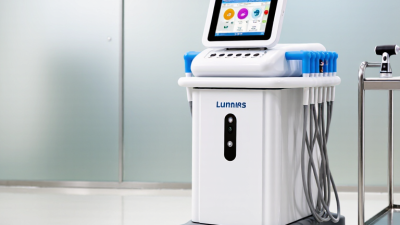
How to Buy a Lumenis Legend Pro for Your Clinic?
Choosing a lumenis legend pro for your clinic is not just a matter of comparing prices. The right purchase depends on your treatment menu, patient demand, staff experience, and available room space. Before requesting a quote, define the services you expect to provide and the clinical outcomes you plan to track. A written checklist helps keep the decision practical.
Ask each seller to clarify the device’s configuration, handpieces, service history if pre-owned, warranty, installation, and training. Confirm what the quoted price includes. A polished demonstration is useful, but it cannot replace a clear service agreement. Look closely at how the system fits your workflow: Who will operate it? How much appointment time will treatments require? Where will the device sit between sessions? Small details matter.
A direct quotation from a named Lumenis Legend Pro expert cannot be verified from the material provided, so it should not be invented or presented as fact. For a trustworthy article, add a sourced comment from a qualified clinician or authorized product specialist. Ask about patient selection, training needs, maintenance, and realistic treatment expectations. Their answers should be specific, not sales language.
The guide that follows can help clinics assess vendors, compare total ownership costs, and prepare questions before committing. It should also acknowledge uncertainty: projected demand may change, and a device may not suit every practice. Careful evaluation takes time. That is a good sign.
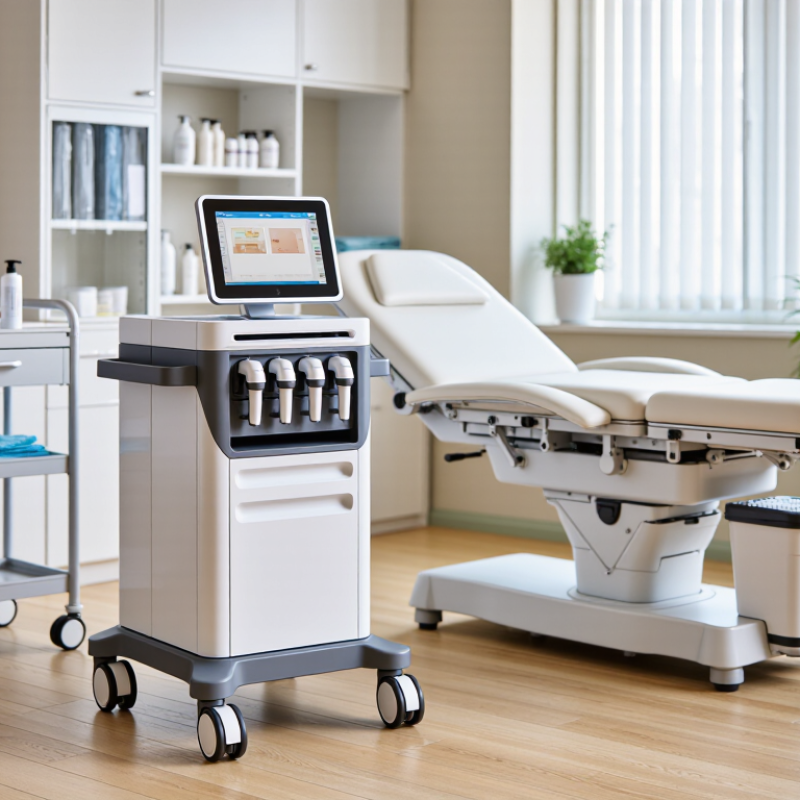
Define Your Clinic’s Treatment Needs and Device Requirements
Before evaluating a device, map the treatments your clinic actually expects to provide. Review appointment records, common patient concerns, and seasonal demand. A treatment room serving mostly facial skin concerns may need different capabilities from one focused on body treatments. Not every popular service fits your patients.
Talk with clinicians who will use the equipment, not only the person approving the purchase. List required treatment modes, adjustable settings, handpiece options, and practical safety features. Then check whether the device’s documented indications align with your intended services. Ask for current technical documentation and independent clinical evidence; do not rely on sales claims alone. Consider the learning curve. A powerful system can still sit unused if staff cannot fit training into a busy schedule.
Measure the treatment room and check electrical requirements, ventilation, storage, and patient access before arranging a demonstration. Estimate total ownership costs, including installation, staff training, consumables, maintenance, and downtime. Ask how service requests are handled and what support is included. I would leave some room in the budget for surprises; those are easy to underestimate. During a hands-on review, have staff follow a realistic appointment from setup to cleanup, and record what feels awkward or slow.
Verify the Device’s Specifications, Condition, and Service History
A used aesthetic platform can look excellent in photos and still have problems that affect daily treatments. Ask for the exact model, configuration, software version, handpieces, and included accessories. Compare these details with the seller’s written listing. Check that the display, footswitch, connectors, and treatment controls respond consistently.
Small details matter.
Request a recent performance check from a qualified service professional. The report should identify the device and document tested functions, output measurements, calibration status, and any faults found. Inspect the handpiece windows for cracks, residue, or uneven wear. Look closely at cooling vents and fluid connections, if applicable. A clean outer shell is reassuring, but it is not proof of reliable operation. I would be cautious about relying on a brief demonstration alone.
Review dated service records, repair invoices, and parts replacement notes. Confirm that the serial number matches across the device, records, and purchase paperwork. Ask when preventive maintenance was last completed and whether unresolved warnings remain. Missing paperwork does not automatically mean the equipment is unusable, but it leaves important questions unanswered. Allow time for an independent inspection before payment. If the seller cannot explain a gap in service history, pause and weigh that uncertainty against the price.
Check Seller Credentials, Warranty, and Regulatory Compliance
Before buying a used aesthetic energy device, verify who is actually selling it. Ask for the company’s registered name, physical service address, and a written invoice showing the device’s serial number. Check that the serial number on the unit matches the paperwork. If the seller claims to be an authorized reseller, confirm that status directly with the manufacturer or an official service channel. A polished website is not proof. Ask directly.
Request the warranty terms before paying, not after delivery. Confirm whether coverage transfers to a new owner, how long it remains valid, and which parts, labor, and travel costs are excluded. Ask who performs repairs and whether replacement parts are available in your region. A short warranty may still be acceptable, but only if the price reflects the risk. I would want these answers in writing; a phone promise is easy to forget.
Regulatory requirements vary by country and device configuration. Check the relevant national regulator’s database to confirm that the exact model is cleared or registered for its intended use. Compare the listed manufacturer, model, and intended purpose with the product label and supplied documents. Request manuals, maintenance records, and any required import or conformity paperwork. Have a qualified biomedical engineer inspect the unit before installation, especially if service history is incomplete. Sometimes it is incomplete. That should give you pause. Keep copies of every record, including emails and payment terms.
How to Buy a Medical Aesthetic Laser for Your Clinic
A practical pre-purchase verification checklist
Each bar counts suggested checks to complete, not a seller rating or market statistic. Confirm requirements with the relevant regulator in your jurisdiction, and verify that documents match the exact device and serial number.
Compare Total Costs, Financing Options, and Ongoing Expenses
When comparing the total cost of an aesthetic treatment platform, look beyond the purchase quote. Ask whether delivery, installation, staff training, and initial supplies are included. A low upfront price can hide extra charges. Get each item in writing.
Financing changes the real cost. Compare the down payment, interest rate, repayment term, fees, and any end-of-term payment. A smaller monthly bill may cost more overall. Estimate payments against realistic appointment numbers, not a fully booked calendar. That assumption is easy to make—and easy to regret. Leave room for slower months.
Ongoing expenses deserve equal attention. Request written estimates for maintenance, replacement parts, service visits, and consumables. Check how long routine service may take, since downtime can mean canceled appointments. Ask what warranty coverage excludes and whether training is available for new staff.
Then calculate a simple monthly break-even point using your actual prices, working days, and expected treatment volume. Keep the estimate conservative. Clinic schedules rarely run perfectly, and early projections may miss small costs such as staff training hours or payment processing fees. A detailed comparison makes financing options easier to judge.
Arrange a Demonstration, Installation, and Staff Training
Live Demonstration
Before purchasing a clinical energy-based device, arrange a live demonstration with the people who will use it. Ask the representative to show the interface, handpiece handling, treatment setup, and routine cleaning steps. Take notes. Have staff practice adjusting settings on a demonstration model, and ask how the system responds to common workflow questions. A polished presentation is not enough; request time to assess the controls at a realistic pace.
Installation Planning
Discuss installation before signing. Confirm what the clinic must prepare, including room layout, power requirements, delivery access, and any environmental conditions specified by the manufacturer. Ask who performs setup, what acceptance checks are completed, and how service requests are handled. Put responsibilities and expected timing in writing. A checklist can miss the way a busy clinic actually moves, so walk the proposed room with the installer if possible.
Training & Readiness
Training should include more than a quick introduction. Schedule sessions for every relevant practitioner and support staff member, with time for supervised practice and questions. Keep the operating instructions accessible, and document who has completed training. Ask how updates or refresher sessions are arranged. Staff turnover can make this messy. Review the device’s intended use, safety guidance, and local professional requirements before offering treatments, and leave room in the launch schedule for practice rather than booking patients immediately.