Need Help?

How Much Does the Lumenis Legend Pro Cost in China?

Anyone asking, “How much does the Lumenis Legend Pro cost in China?” needs more than one number. The price can vary with the unit’s condition, configuration, included handpieces, warranty, installation, and after-sales support. A showroom quote may not include every cost. That detail matters.

Industry data helps explain the market context, but it does not set the device’s price. The ISAPS International Survey on Aesthetic/Cosmetic Procedures performed in 2023 estimated 19.1 million non-surgical aesthetic procedures worldwide. It also reported 15.8 million surgical procedures. These are global figures, not China-specific sales data for the Legend Pro. They indicate substantial activity in aesthetic care, but they cannot verify a local quotation.

For a useful China price comparison, buyers should request an itemized, written quote from the seller. Check whether the offer covers the exact model, accessories, delivery, staff training, service response, and warranty terms. Ask whether the equipment is new or refurbished, and confirm what documentation supports its history and condition. Small omissions can change the final cost. A neat single figure may be misleading. And published online prices may be outdated or incomplete. This guide examines the factors behind the quoted cost of the legend pro lumenis in China, while distinguishing verifiable details from estimates that require direct confirmation.
How Much Does the Lumenis Legend Pro Cost in China?

What Is the Lumenis Legend Pro?

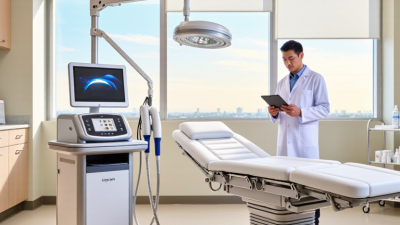
The Legend Pro is a professional aesthetic platform designed for non-surgical skin treatments. It combines radiofrequency-based technologies to support skin tightening and improve the appearance of texture. Depending on the configuration, practitioners may use different handpieces and treatment settings. The exact options matter, so ask for the device’s specifications rather than relying on a product name alone.

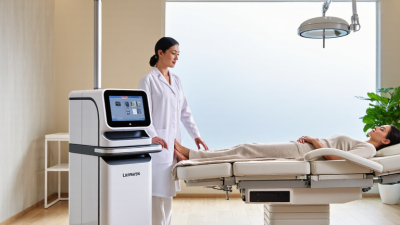
A session usually begins with a consultation and skin assessment. The provider may move a handpiece across the treatment area while adjusting energy and comfort settings. Warmth is common, but individual experiences and results vary. This is not a substitute for medical care, and suitability should be assessed by a qualified professional. Some descriptions make results sound simple; real outcomes can be less predictable.

Tips: In China, the price may depend on configuration, warranty, training, and after-sales service. Request an itemized written quote and confirm what is included. Ask who will operate the device and how treatment settings are selected. Small details can change the value. Don’t judge by price alone.

China Device Pricing: Public Data Availability

No verified China-specific public price is shown here. Pricing may depend on the device configuration and quotation terms. Request an itemized local quote to confirm the price, taxes, installation, and warranty.

What Factors Affect Its Price in China?

The price of a professional aesthetic laser in China can vary widely, even when two quotes describe similar equipment. Configuration matters: treatment handpieces, software options, cooling systems, and included accessories can change the total. Ask for an itemized quotation. A low headline price may exclude essential components.

New and pre-owned units are priced differently, and condition is only part of the comparison. Confirm the manufacturing year, operating hours, maintenance history, and availability of replacement parts. Import arrangements, shipping, insurance, exchange rates, and local taxes may also affect the final cost. Details matter.

Service can be a substantial part of the price. Installation, staff training, warranty length, response times, and local technical support are worth checking in writing. A quote from one city may differ from another because delivery and service coverage vary. I would not assume the cheapest offer is the best value; that assumption can fail when support is needed. Compare the same configuration and included services, then ask what costs could arise after delivery. Some sellers explain this clearly; others may not. That uncertainty deserves a direct question.

How Much Does a Professional Aesthetic Treatment System Cost in China? — What Factors Affect Its Price?

Price note: A reliable, publicly verifiable fixed price for a specific system may not be available in China. The purchase price is generally quote-based and should be confirmed with a written quotation for the exact configuration, seller, and delivery terms.

Price dimension How it affects the price What to verify in the quotation
System configuration Included handpieces, applicators, treatment modes, and accessories can change the quoted total. Ask for an itemized list of included components and the price of optional additions.
New or pre-owned condition Pre-owned equipment may have a lower purchase price, but condition, usage history, and remaining service life matter. Confirm manufacture date, service records, operating hours if available, and inspection results.
Regulatory and import status The supply route and applicable product documentation can affect costs, lead time, and whether the equipment can be legally marketed or used for its intended purpose in China. Check relevant Chinese registration or filing requirements, import documentation, and which party is responsible for customs and taxes.
Warranty and service coverage Warranty duration, covered parts, repair arrangements, and local technical support can affect the overall value and cost of ownership. Request written warranty terms, service response times, and a schedule of potential service charges.
Installation and training On-site installation, operator training, and travel may be included, charged separately, or limited to particular locations. Confirm the number of training sessions, delivery location, installation scope, and any travel fees.
Consumables and replacement parts Recurring consumables and replacement components affect operating costs beyond the initial purchase price. Ask which items are consumable, their expected replacement intervals, and current replacement prices.
Delivery and payment terms Freight, insurance, delivery location, payment schedule, and tax treatment can change the final amount payable. Compare the tax-inclusive total and clarify delivery, insurance, payment milestones, and refund terms.
Practical way to establish the price Because quotes can differ by configuration and included services, there is no single dependable amount to apply to every purchase. Obtain comparable, itemized written quotations and compare the complete delivered cost, warranty, and service terms.

How Do New and Used Units Differ in Cost?

In China, a new energy-based aesthetic platform in this class may be quoted at roughly RMB 450,000–800,000; refurbished units may range from RMB 180,000–450,000. These are budget estimates, not audited transaction averages. Configuration, taxes, installation, warranty, and seller support can change the final quote. Used does not always mean cheap. A low price can hide costly repairs.

The 2024 Fortune Business Insights report valued the global aesthetic medicine market at USD 18.6 billion in 2023 and projected growth to USD 44.4 billion by 2032. This market-wide forecast is not a device price guide, so it cannot confirm an individual Chinese quotation. When comparing offers, check whether both include the same handpieces, accessories, training, and after-sales service. A refurbished unit with documented maintenance may be safer than a cheaper unit with incomplete records, though that judgment is not foolproof.

Tips: Ask for the unit’s service history, treatment-shot count, calibration record, and written warranty terms. Confirm VAT, delivery, and installation charges before paying. Get the serial number checked independently.

How Do Suppliers and Purchase Channels Affect Pricing?

In China, the quoted price depends heavily on who supplies the device and what the offer includes. An authorized local distributor may charge more, but the quote can include installation, operator training, warranty service, and easier access to replacement parts. A trading company may offer a lower upfront price. Check whether its service arrangements are equally clear. A low quote is not a complete comparison.

Grand View Research estimated the global aesthetic lasers market at about US$1.05 billion in 2023, with projected annual growth of 10.1% from 2024 to 2030. This indicates a growing market, not a price benchmark for any single machine. Ask suppliers for an itemized quote covering configuration, taxes, delivery, training, warranty length, and service response times. Also confirm whether the unit is new and whether key components are included. Small omissions matter.

Compare the total cost of ownership, not just the invoice. For example, a clinic outside a major city may face extra travel costs for servicing. Financing can also change the final amount paid. I would be cautious about treating two quotes as equivalent when their support terms differ. Sometimes the paperwork is the weak point. Check it carefully.

What Additional Costs Should Buyers Consider?

When budgeting for a professional energy-based treatment system in China, the purchase quote is only the starting point. Buyers should ask whether it includes delivery, installation, staff training, warranty coverage, and local technical support. International shipping, insurance, customs-related charges, and taxes may also affect the landed cost; request an itemized quotation in writing. Small items add up.

Ongoing expenses deserve equal attention. Ask about scheduled servicing, replacement handpieces or components, software fees, and the price and availability of treatment consumables. A service visit can also mean lost appointment slots. The American Society of Plastic Surgeons’ 2023 statistics report lists an average physician fee of US$1,707 for noninvasive skin tightening in the United States. That is a patient-treatment benchmark, not a device purchase or ownership cost, and it should not be treated as a direct China price comparison. Still, it highlights why clinic revenue assumptions need careful checking.

Tips: Request a three-year cost-of-ownership estimate, including maintenance, consumables, training, and expected downtime. Compare what each quote actually covers. Also check room requirements: a dedicated power supply, ventilation, or minor renovation can change the budget. I would leave a contingency; real service costs can be less predictable than a polished sales estimate.