


How to Choose Voluderm Microneedling in 2026
Choosing Voluderm microneedling in 2026 means looking beyond polished before-and-after photos. Voluderm combines microneedling with radiofrequency energy, so treatment settings, skin type, and practitioner experience all matter. The International Society of Aesthetic Plastic Surgery’s 2023 Global Survey recorded 19.1 million nonsurgical procedures worldwide, a 7.2% rise from 2022. That growth shows demand—not proof that any one treatment suits everyone. Microneedling was not reported as a separate category.
A useful consultation should be specific. Ask who will perform the procedure, what device settings are planned, and how the clinic handles discomfort, recovery, and follow-up. Discuss your skin history and current concerns, rather than relying on a generic treatment plan. A reputable provider should explain realistic outcomes and possible risks in plain language. Some redness or sensitivity may follow treatment; recovery varies. Small details matter: the needle depth, the treatment area, even the way your skin responds afterward.
One important limitation: I could not verify a published, attributable quotation from a named Voluderm microneedling expert, so I will not invent one. That restraint matters. The FDA has also cautioned that radiofrequency microneedling devices can cause serious complications when used improperly. A careful choice starts with questions, not promises. This guide will help you assess practitioner qualifications, device suitability, evidence, costs, and recovery before deciding whether Voluderm microneedling fits your goals. It is not a substitute for an individual medical assessment.
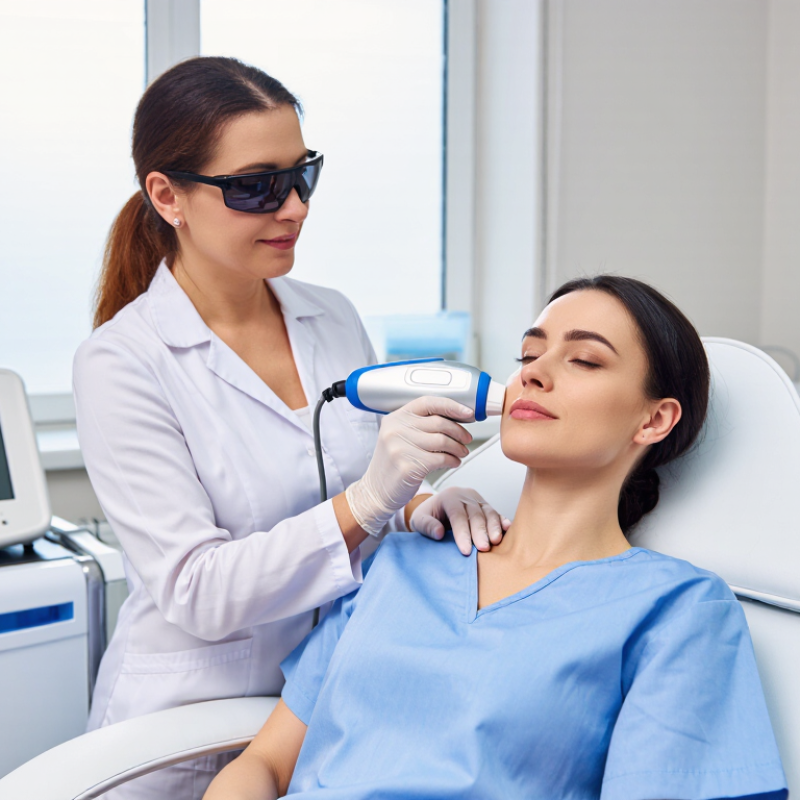
What Voluderm Microneedling Is and How It Works
Microneedling uses fine needles to create controlled channels in the skin. With radiofrequency microneedling, energy travels through the needles and heats targeted tissue. This controlled stimulus can prompt collagen remodeling over time. It is not simply a facial with deeper needles. Needle depth, energy, and treatment passes all affect the skin, and settings should reflect the treatment area and individual needs. ASPS’s 2023 Procedural Statistics Report recorded roughly 3.3 million skin-resurfacing procedures in the United States. That broad category includes techniques beyond microneedling, so it signals demand, not proof of this treatment’s results. The biology is promising, but outcomes vary.
Expect temporary redness, warmth, or pinpoint bleeding. Infection, pigment changes, and scarring are possible risks, particularly when treatment is poorly matched to skin or performed without appropriate training. A qualified clinician should explain the device, settings, expected recovery, and alternatives before treatment. Ask how your skin type and medical history affect the plan. Also ask what evidence supports the proposed number of sessions; published findings can differ by device and concern. Skin response takes time. Immediate redness is not proof of lasting improvement, and no setting fits every face.
How to Choose Voluderm Microneedling in 2026 - What Voluderm Microneedling Is and How It Works
| Topic | What to Know | What to Check Before Choosing |
|---|---|---|
| What the treatment is | Microneedling uses fine needles to create controlled micro-injuries in the skin. Some systems also deliver radiofrequency (RF) energy through the needles; the exact features depend on the device being used. | Ask whether the proposed treatment uses RF, and request the device instructions and treatment details. Do not assume every microneedling system works the same way. |
| How it works | Needle penetration triggers a wound-healing response. With RF microneedling, energy delivered below the skin surface also produces heat in targeted tissue. These processes may support collagen remodeling over time; results vary by person and treatment. | Ask how needle depth and energy settings will be selected for your skin, treatment area, and goals. A qualified provider should explain the expected benefits and limitations. |
| Common reasons people consider it | People may seek microneedling for concerns such as uneven texture, acne scarring, or fine lines. Suitability and likely improvement depend on the concern, skin, and treatment plan. | Confirm that your specific concern is appropriate to treat. Ask what degree of improvement is realistic and whether other options may be more suitable. |
| Provider qualifications | Needling and RF treatments require appropriate training, hygiene, and clinical judgment. The person performing the procedure should be qualified under local regulations. | Check the provider’s credentials, experience with the specific treatment, infection-control practices, and process for managing complications. |
| Consultation and medical history | Skin conditions, past scarring, medications, recent procedures, and other health factors can affect whether treatment is appropriate and how it should be performed. | Provide a complete medical and skin history. Ask the clinician to assess active infection or irritation, healing concerns, and any implanted devices or other relevant conditions. |
| Possible side effects | Temporary redness, swelling, tenderness, pinpoint bleeding, or sensitivity can occur. Less common but more serious risks may include infection, burns, pigment changes, or scarring. | Ask which risks apply to your skin and treatment settings, how complications are handled, and which symptoms require prompt medical advice. |
| Recovery and aftercare | Recovery varies. Skin may be temporarily red or sensitive, and aftercare instructions depend on the treatment and individual response. | Get written aftercare instructions, including guidance on cleansing, sun protection, skincare products, and when to resume normal activities. |
| Treatment plan and cost | The number and spacing of sessions depend on the individual treatment plan. Outcomes are not guaranteed, and more treatment is not automatically better. | Request an itemized quote and a proposed plan before booking. Clarify follow-up, cancellation terms, and whether additional sessions are optional or recommended. |
| A sensible choice in 2026 | Choose based on a qualified assessment, transparent information, appropriate safety practices, and realistic expectations—not promises of guaranteed or permanent results. | Compare consultation quality, provider qualifications, device documentation, safety procedures, aftercare, and total cost before deciding. |
This table provides general educational information, not a diagnosis or personalized medical advice. Consult a qualified healthcare professional to determine whether microneedling is appropriate for you.
Related Posts
-
China Top Lumenis RF Microneedling Products for Global Buyers?
-
7 Fractional RF Buying Tips for Global Buyers?
-
2026 How to Use Lumenis RF Microneedling for Skin Rejuvenation?
-
How to Achieve Smooth Skin with Radiofrequency Facial Treatments?
-
What is tripolar radio frequency and how does it work?
-
2026 Best Radio Frequency Treatment for Skin Tightening?


