Need Help?

Why Is TriPollar Pose So Popular Worldwide?

Why Is TriPollar Pose So Popular Worldwide?

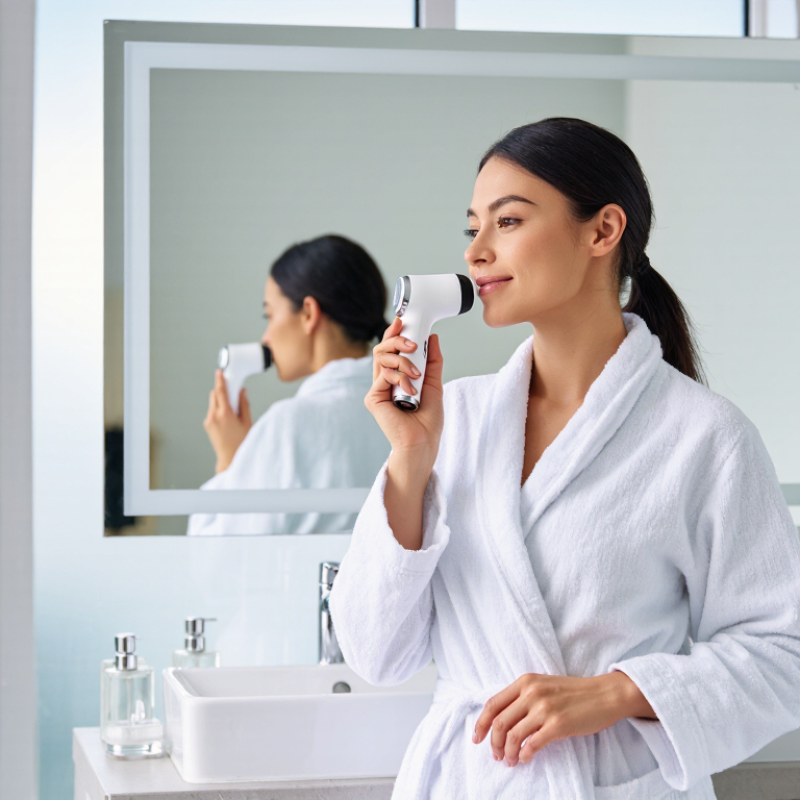
The popularity of tripollar pose reflects a wider shift toward practical, home-based skincare. Many users want firmer-looking skin without arranging frequent clinic visits. The device fits beside a bathroom mirror, works in short sessions, and feels easier to maintain than complicated routines. Its radiofrequency technology is designed to warm deeper skin layers. This process may support collagen activity and improve the appearance of facial firmness over time.

Dr. Shimon Eckhouse, founder of Pollogen and a specialist in aesthetic technology, has described the guiding idea as “bringing professional-level technology into a simple home routine.” That principle helps explain the product’s international appeal. People value visible routines they can repeat. They also appreciate clear controls, guided treatment areas, and a familiar skincare setting.

Still, popularity is not proof of identical results. Skin type, age, consistency, and technique can change the experience. Some users may notice improved smoothness, while others may see subtler effects. That difference matters. Home devices should not be presented as replacements for medical treatment. They also require careful use, especially around sensitive areas or existing skin concerns.

The strongest appeal may be convenience. A few quiet minutes can feel manageable after a long day. Yet expectations should remain realistic. Evidence, instructions, and professional advice matter more than dramatic promises. That balance makes tripollar pose easier to evaluate responsibly, rather than simply follow as a beauty trend.
Why Is TriPollar Pose So Popular Worldwide?

What Is TriPollar Pose? A Multi-Polar RF Home-Beauty System

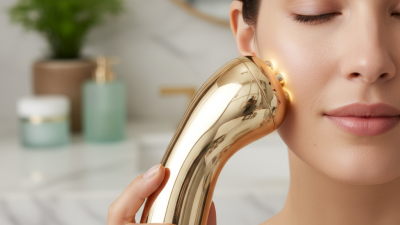
A multi-polar RF home-beauty system uses radiofrequency energy to warm the skin’s deeper layers gently. Its multiple poles help distribute energy across the treatment area. This design may support a firmer-looking appearance and smoother skin texture over time. The sensation often feels like a warm facial massage. Comfort matters.

In practical use, clean, dry skin is usually the starting point. A suitable conductive gel helps the device glide and transfer energy more evenly. Users should follow the recommended movement pattern, rather than holding the device in one spot. Regular sessions may produce gradual changes, but results differ with age, skin condition, lifestyle, and technique. Some people notice improved softness first. Visible firmness can take longer.

Professional guidance remains important, especially for sensitive skin or existing health concerns. Home RF devices should not be used over damaged skin, active irritation, or areas affected by certain implanted electronic devices. Reading the safety instructions is not optional. More energy does not mean better results. In fact, excessive heat may cause discomfort or irritation. Independent evidence for home devices can also be less extensive than evidence for professional equipment. That limitation deserves honesty. TriPollar Pose has become popular worldwide because it combines a compact format, controlled warmth, and a routine that fits busy schedules. Still, it is a beauty tool, not a guaranteed transformation.

How Does RF Work? Clinical Heating Targets Near 40–42°C

Why Is TriPollar Pose So Popular Worldwide?

How Does RF Work? Clinical Heating Targets Near 40–42°C

Radiofrequency, or RF, sends alternating electrical energy through the skin. Tissue resistance converts that energy into controlled heat. Clinical protocols often target about 40–42°C at the dermal surface, where collagen fibers begin contracting without intentionally damaging the epidermis. A peer-reviewed review in the Journal of Cosmetic and Laser Therapy describes this temperature range as relevant for collagen remodeling and skin tightening.

The sensation is usually warm, like a smooth stone resting on the cheek. A professional continuously moves the applicator and checks comfort. Temperature control matters more than intensity. The U.S. Food and Drug Administration warns that excessive RF exposure may cause pain, burns, swelling, or changes in skin texture. That warning is easy to overlook. It should not be.

Clinical outcomes vary. A small study published in Dermatologic Surgery reported visible improvement in facial laxity after repeated RF treatments, but results were modest and developed gradually. The American Society for Dermatologic Surgery’s 2023 consumer survey also showed strong interest in nonsurgical appearance treatments, reflecting wider acceptance of energy-based procedures. However, popularity does not equal identical results. Skin thickness, age, hydration, device calibration, and treatment technique all influence heating.

The science is promising, not magical. Better measurement would improve trust. Temperature readings at the surface may not represent deeper tissue temperature, which remains a practical limitation in everyday treatment.

What Does Research Show About RF Skin Tightening and Cellulite?

Why Is TriPollar Pose So Popular Worldwide?

What Does Research Show About RF Skin Tightening and Cellulite?

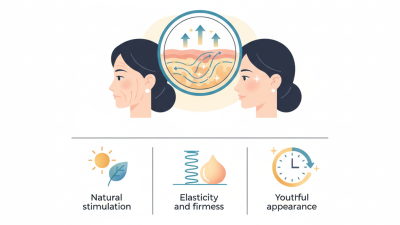
Radiofrequency (RF) skin tightening uses controlled heat beneath the skin’s surface. This energy may stimulate collagen remodeling and improve skin firmness over time. Clinical reviews and small controlled studies report modest improvements in laxity and cellulite appearance. However, results vary between individuals.

RF does not remove cellulite permanently or replace weight management. The effect may be subtle, especially when loose skin, fibrous bands, or deeper fat are involved. Some participants need several sessions before noticing smoother texture. Research is promising, not conclusive. I would not treat every visible change as proof of collagen growth. Lighting, hydration, and natural skin movement can also influence photographs.

Tips: Choose a trained, qualified practitioner and request a clear treatment plan. Ask how the device measures temperature and protects the skin. Discuss pregnancy, implanted electronic devices, reduced sensation, recent surgery, and active skin conditions beforehand. Take consistent photographs in the same room and position. Avoid judging results immediately after treatment, because temporary swelling can create a misleading impression. Expect gradual change, not a dramatic transformation. During treatment, warmth should feel controlled, never sharply painful. If redness, blistering, or persistent discomfort develops, seek medical advice promptly.

Why Is TriPollar Pose So Popular Worldwide? - What Does Research Show About RF Skin Tightening and Cellulite?

Research area What is typically measured What published research generally shows Evidence confidence Important limitation
Facial skin laxity Photographic grading, clinician assessments, patient satisfaction, and occasional skin-thickness measurements. Non-invasive radiofrequency can produce a modest improvement in the appearance of mild to moderate laxity. Reported effects are usually associated with dermal heating and gradual collagen remodeling. Low to moderate Many studies are small, uncontrolled, or use subjective outcome ratings rather than blinded measurements.
Collagen remodeling Histology, ultrasound skin thickness, elasticity testing, and changes in collagen organization. Thermal stimulation may trigger short-term collagen contraction and longer-term remodeling. The biological effect is plausible and has been reported in clinical and laboratory research. Moderate for mechanism Observed remodeling does not equal a surgical lift, and the degree of visible improvement varies by age, skin quality, and treatment protocol.
Cellulite appearance Standardized photographs, cellulite severity scales, skin smoothness, circumference, and patient-reported improvement. Radiofrequency-based treatments may temporarily improve skin texture and the visible appearance of cellulite in some patients, particularly when combined with massage, vacuum, or other energy-based methods. Low to moderate Cellulite is multifactorial; improvement in surface appearance is not the same as permanent removal of cellulite or fat.
Body contouring Circumference, photographs, skin laxity scores, and occasionally imaging or fat-thickness measurements. Some controlled studies report small changes in circumference or contour after repeated treatments, but results are less consistent than those seen with invasive procedures. Low to moderate Measurement methods differ substantially, and short-term swelling or fluid shifts can affect circumference results.
Treatment schedule Number of sessions, treatment interval, energy level, temperature, and follow-up duration. Research protocols commonly use a series of treatments rather than a single session. Visible changes often develop gradually over several weeks to a few months. Consistent pattern There is no universally accepted treatment frequency or energy setting for all devices, body areas, or skin types.
How long results last Follow-up examinations after treatment completion and the need for maintenance sessions. Benefits may persist for several months in some studies, but long-term durability is not well established. Maintenance treatment may be needed as collagen naturally ages. Limited long-term evidence Many studies have follow-up periods of only a few months and do not provide reliable multi-year data.
Common short-term effects Redness, warmth, swelling, tenderness, discomfort, and temporary sensitivity. Transient redness and warmth are commonly reported and usually resolve without treatment. The risk is related to energy level, temperature control, treatment duration, and operator technique. Moderate to high Individual tolerance differs, and excessive heating can increase the risk of pain or skin injury.
Rare but important risks Burns, prolonged pigmentation changes, altered sensation, contour irregularity, or unwanted fat loss. Serious complications are uncommon when appropriate equipment, settings, and technique are used, but they are possible, especially with excessive or uneven heating. Uncommon but clinically relevant Safety depends on device design, skin condition, treatment area, contraindications, and professional supervision.
Overall scientific conclusion Quality of evidence, consistency between studies, and clinical relevance of measured changes. Research supports radiofrequency as a non-invasive option that may provide modest, gradual, and temporary improvement in skin firmness and cellulite appearance. It should not be presented as a guaranteed or permanent treatment. Promising but heterogeneous More randomized studies with standardized protocols, objective measurements, larger samples, and longer follow-up are needed.
Evidence note: The research base consists largely of small clinical studies and narrative or systematic reviews of non-invasive radiofrequency treatments. Outcomes vary according to treatment temperature, energy delivery, session number, body area, baseline skin laxity, and the way improvement is measured. This table summarizes research trends and is not a substitute for individualized medical advice.

Why Is Demand Growing? ISAPS Recorded About 19M Nonsurgical Procedures

The global demand for nonsurgical aesthetics is rising quickly. ISAPS recorded about 19 million nonsurgical procedures worldwide. That figure shows how strongly people value treatments with limited interruption to daily life. A lunch-break appointment can feel more manageable than surgery, especially for busy workers and parents.

This trend also reflects changing expectations. Many people want gradual body contouring, firmer-looking skin, or improved facial definition without visible incisions. They may return to work the same day, depending on the treatment and their individual response. Comfort matters too. A warm treatment room, a handheld applicator, and a short appointment can make the experience feel approachable.

But popularity is not proof of equal effectiveness. Results can vary with age, skin condition, lifestyle, and treatment settings. Qualified practitioners should explain realistic outcomes, possible discomfort, and appropriate aftercare. Independent clinical evidence matters more than polished advertisements. It is also important to confirm whether a treatment suits your medical history.

Some consumers expect dramatic change after one session. That expectation needs reflection. Nonsurgical procedures often produce gradual improvements, and maintenance may be necessary. Photographs can help track progress, but lighting and posture can distort comparisons. The strongest decisions usually combine professional assessment, transparent evidence, and personal patience. Sometimes, slower progress is the more honest result.

How Do FDA and EU Rules Limit Noninvasive Body-Contouring Claims?

Why Is Noninvasive Body Contouring So Popular Worldwide?

How Do FDA and EU Rules Limit Noninvasive Body-Contouring Claims?

Noninvasive body-contouring treatments attract attention because they promise visible shaping without surgery. People often notice smoother outlines in mirrors, photographs, or fitted clothing. However, these procedures are not weight-loss solutions. Results usually target specific areas and may vary with tissue type, treatment settings, and personal health. The effect may also require several sessions. Evidence matters.

In the United States, FDA authorization applies to a device’s specific intended use, not every marketing statement. A cleared device cannot automatically support claims about fat loss, cellulite removal, or permanent transformation. In the European Union, manufacturers must meet applicable medical-device requirements and support claims with appropriate clinical evidence. Product advertising should match the intended purpose and avoid misleading certainty. “Clinically proven” needs context. A small study may not represent every user.

Tips: Check the device’s regulatory status in your region. Ask what outcome the evidence measured. Request realistic timelines, possible discomfort, and maintenance needs. Be cautious with dramatic before-and-after images. Lighting can mislead. Ask whether results were independently assessed, not only reported by a provider. Professional consultation is sensible, especially with medical conditions, implants, or unexplained skin changes. Consumers should also remember that regulation controls safety and communication; it does not guarantee identical results for everyone. Marketing can sound polished, while real outcomes remain less tidy.