
Need Help?

Top 10 Best HIFEM Slimming Machines for Buyers?

Buyers comparing a HIFEM Slimming Machine need more than a polished product photo. They need evidence, clear operating instructions, and realistic expectations. The International Society of Aesthetic Plastic Surgery (ISAPS) reported 19.1 million nonsurgical aesthetic procedures worldwide in its 2023 survey. That figure shows the scale of demand, but it does not prove that every device delivers the same results.

Published studies of high-intensity focused electromagnetic treatments have examined changes in muscle thickness and abdominal fat. Some report positive findings, yet study size, treatment protocols, and follow-up periods vary. Results should not be treated as guaranteed weight loss. Dr. Bruce Katz, a dermatologist and clinical researcher, has described Emsculpt as a device that “builds muscle and burns fat simultaneously.” Buyers should verify the original interview or publication before treating this promotional-style statement as a clinical conclusion.

Look closely at the details. Is the device supported by peer-reviewed evidence? Are applicator sizes, session settings, and maintenance requirements clearly documented? Ask for training, warranty terms, and service support—not just a dramatic before-and-after image. Those images can be useful, but they rarely tell the whole story.

The ranking that follows compares ten machines through practical buyer criteria, including evidence quality, usability, and manufacturer support. It cannot replace independent testing. That limitation matters. A lower price may look attractive, but unclear documentation or costly repairs can change the real purchase value.
Top 10 Best HIFEM Slimming Machines for Buyers?

What Is HIFEM Technology and How Does It Work?

HIFEM, or high-intensity focused electromagnetic technology, uses changing magnetic fields to stimulate motor nerves beneath the skin. These signals trigger repeated muscle contractions that are difficult to produce during ordinary exercise. A treatment session usually involves lying down while padded applicators sit against the abdomen or another targeted area. The sensation may feel like strong, rhythmic muscle tightening. It is not a weight-loss method, and results vary.

Clinical evidence needs careful reading. A 2022 systematic review in Aesthetic Surgery Journal examined published studies of electromagnetic muscle stimulation and noted that much of the evidence came from small samples with limited follow-up. That makes long-term results uncertain. The U.S. Food and Drug Administration also states that non-invasive body-contouring procedures are not intended to treat obesity or improve health. Buyers should therefore check whether a machine’s claims match its study population, treatment schedule, and measured outcomes—not just promotional percentages.

Tips: Ask for peer-reviewed study details, including participant numbers and follow-up length. Check applicator fit and available treatment settings. A dramatic contraction is not proof of lasting benefit. Honestly, the evidence is still developing. Request an assessment from a qualified provider, especially if you have an implanted electronic device or a relevant medical condition.

What Should Buyers Consider When Choosing an HIFEM Machine?

Choosing an HIFEM machine starts with the evidence behind its claims. Ask for published studies on the specific device, not just research about electromagnetic stimulation in general. Check how outcomes were measured, how many people took part, and whether follow-up lasted beyond a few weeks. Results can vary. HIFEM treatments should not be presented as a substitute for weight management or as a guaranteed way to reduce fat. Buyers should also confirm the machine’s regulatory status in their region and identify which clients may not be suitable for treatment.

Look closely at practical details. Can the applicators fit the treatment areas your clients request? Are settings and treatment records clear enough for staff to use consistently? Request an in-person demonstration, and note how long setup takes and how clients describe the sensation. Training matters. Ask who provides it, whether refreshers are available, and how quickly technical support responds. Compare the full cost, including delivery, maintenance, consumables, warranty limits, and service visits. A low purchase price can hide expensive upkeep. Some details may still feel uncertain; ask for written answers rather than relying on a sales demonstration alone.

Which 10 HIFEM Slimming Machines Stand Out for Buyers?

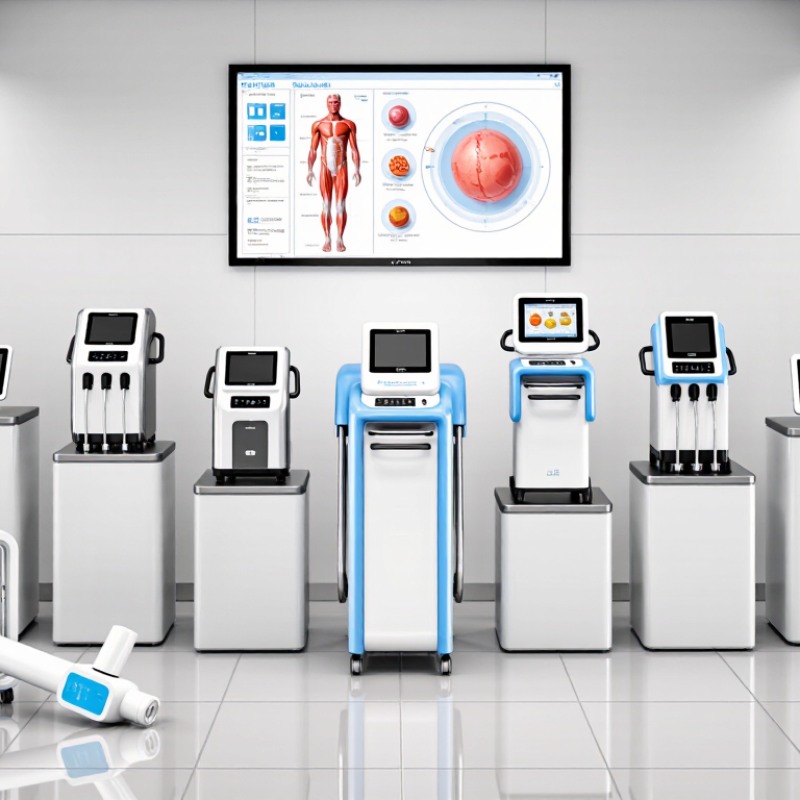
For buyers comparing HIFEM slimming machines, ten practical features separate the standouts: dual applicators for treating two areas, multi-channel output for busy clinics, adjustable intensity, interchangeable treatment paddles, and a compact cart for small rooms. Also worth comparing are clear touchscreen controls, quiet cooling, session records, accessible technical support, and straightforward treatment protocols. These are useful differences, not guarantees of better outcomes.

Look closely at the details. Check whether the applicators fit the intended treatment areas, and ask how the device records settings between sessions. A stable cart matters when cables tug at the handles. So does a screen that staff can read without leaning over the client. Small things add up.

Ask suppliers for specifications, operator training, service terms, and evidence supporting their claims. Results vary, and HIFEM treatment should not be described as a substitute for medical care or healthy habits. I would not choose the machine with the boldest promises. I might still overlook a useful feature, though; hands-on testing can reveal awkward controls that a brochure hides.

How Do the Top HIFEM Machines Compare in Features and Cost?

Comparing HIFEM slimming machines requires more than counting applicators. A 2021 clinical study in the Journal of Cosmetic and Laser Therapy reported visible abdominal changes after repeated electromagnetic stimulation sessions. Results varied between participants. That matters. HIFEM may improve muscle definition, but it is not a replacement for weight management or medical care.

Features strongly affect purchasing costs. Two applicators can shorten treatment time, while four applicators may improve clinic capacity. Adjustable intensity, real-time cooling, emergency stop controls, treatment logs, and replaceable applicators deserve close attention. The FDA’s 510(k) database shows that cleared devices can have different intended uses and treatment claims. Clearance is not proof of identical performance.

Cost remains difficult to compare. Public procurement listings and 2024 distributor quotations commonly place professional HIFEM equipment in the tens of thousands of U.S. dollars, excluding installation, training, maintenance, and consumables. The American Society of Plastic Surgeons’ 2023 statistics track nonsurgical fat reduction, but do not isolate HIFEM revenue or outcomes. That limitation is easy to overlook. Buyers should request energy specifications, service response times, warranty terms, and independent clinical data. A cheaper system may become expensive after one failed applicator. Read the fine print.

What Safety and Maintenance Factors Should Buyers Know?

When comparing the top 10 HIFEM slimming machines, safety should matter more than pulse strength. Buyers should request electrical safety documents, user training records, and clear contraindication screening. IEC 60601-1 addresses medical electrical safety, while IEC 60601-1-2 covers electromagnetic compatibility. These standards do not replace clinical judgment.

A prospective study involving 22 adults reported no serious adverse events after five HIFEM sessions. However, the sample was small, so the result cannot represent every user. FDA’s MAUDE database can reveal reported device problems, but it cannot calculate true complication rates. That limitation deserves attention. Operators should screen for implanted electronic devices, pregnancy, unexplained pain, and relevant medical conditions. Treatment should stop immediately if burning, severe cramping, dizziness, or unusual pain appears.

Maintenance is practical, not cosmetic. Staff should inspect cables, applicators, connectors, and cooling vents before each session. Wipe contact surfaces with an approved disinfectant, then allow them to dry fully. Moisture near electrical connections is a quiet risk. The machine should have documented calibration, software updates, service dates, and emergency-stop testing. ISO 14971 supports formal risk management, while ISO 13485 emphasizes controlled quality processes. Buyers should ask for service logs, not promises. A spotless cabinet proves little. In my view, choosing a lower-powered unit with better records may be wiser than purchasing the strongest model. The evidence is still developing.