What is Sleep Monitoring Technology and How Does It Work?
The rise of Sleep Monitoring Technology has transformed our understanding of sleep patterns and health. Dr. Emily Harris, a leading expert in sleep science, states, "This technology allows us to uncover the mysteries of our nightly rest." With devices such as smartwatches and dedicated sleep trackers, users can access detailed insights into their sleep stages and disturbances.
It's noteworthy that while these technologies offer valuable data, they aren't flawless. Many devices may misinterpret movements or fail to provide an accurate picture of sleep quality. This inconsistency highlights the need for users to approach their sleep data with a critical eye. Effective sleep monitoring can be beneficial, but it requires a combination of technology and informed interpretation.
Ultimately, Sleep Monitoring Technology can enhance our understanding of sleep, enabling better health choices. However, it also invites reflection on our reliance on gadgets. Balancing technology with self-awareness may be the key to achieving restorative sleep.
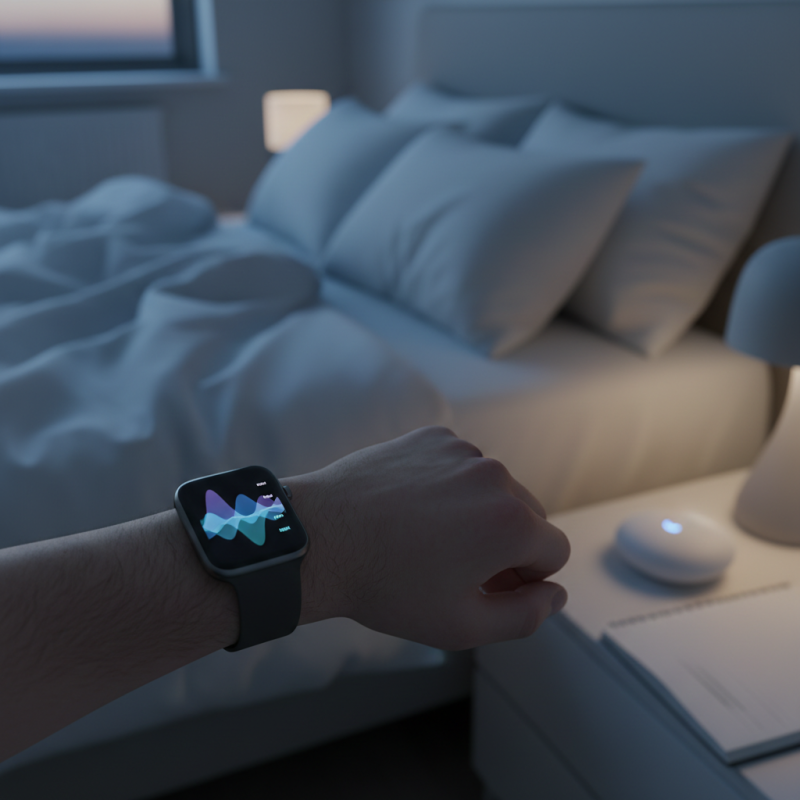
What is Sleep Monitoring Technology?
Sleep monitoring technology is an innovative approach to understanding sleep patterns and improving sleep quality. It utilizes various devices and applications that track sleep stages, duration, and quality. A report by the National Sleep Foundation indicates that about 50-70 million adults in the U.S. suffer from sleep disorders. This highlights the need for effective sleep monitoring solutions.
These technologies often employ sensors and algorithms to monitor physiological signals like heart rate and movement. Data collected can reveal insights into sleep quality and disturbances. For instance, wearable devices can analyze your sleep cycles. A study published in the Journal of Clinical Sleep Medicine found that sleep trackers can provide valuable information for those looking to optimize their sleep health.
**Tips:** Consider setting a consistent sleep schedule. Reducing screen time before bed can also enhance sleep quality.
Many users overlook the importance of data accuracy. Some devices may not capture every detail, leading to misinterpretations about sleep health. Understanding how these devices work is crucial. Users should be aware of their limitations. Regular reflection on sleep patterns can lead to meaningful adjustments.
Types of Sleep Monitoring Devices Available
Sleep monitoring technology has evolved significantly. Various types of sleep monitoring devices are now available, each designed to enhance our understanding of sleep patterns. Wearable devices are among the most popular. They can track heart rate, movement, and even sleep stages. Users often wear these on their wrists or as headbands. This convenience helps people monitor their sleep habits in real-time.
Smartphone apps are another option. Many apps utilize built-in sensors to observe sleep patterns. Some even use sound analysis to detect snoring or disturbances. Although these apps are accessible, they may lack accuracy. Their reliance on phone sensors can lead to inconsistent results.
Moreover, under-mattress sensors offer a unique approach. They sit discreetly under the mattress, measuring body movement and breathing. This non-intrusive method appeals to those who find wearables uncomfortable. However, the data interpretation can be complex for some users. Each device serves a purpose but is not without limitations. Choosing the right one involves understanding these nuances.
How Sleep Monitoring Technology Works
Sleep monitoring technology has become essential for understanding our sleeping patterns. Wearable devices, sleep trackers, and smart home gadgets help analyze sleep quality. These tools use sensors to detect movement, heart rate, and breathing patterns. This data is analyzed to provide insights into different sleep stages, like REM and deep sleep.
The technology works by collecting real-time data from the user. Most devices send this information to a connected app. Here, users can visualize their sleep patterns throughout the week. This process can help spot issues such as sleep apnea or restless leg syndrome. However, it's important to remember that data accuracy may vary. Some monitors can be overly sensitive or miss key sleep disruptions.
While sleep technology offers valuable insights, it is not foolproof. Users might become overly reliant on these devices for sleep improvement. A constant focus on numbers can lead to anxiety about sleep quality. Reflecting on the information is crucial for making practical lifestyle changes. This balance is essential for harnessing the benefits of sleep monitoring technology effectively.
Key Metrics Measured in Sleep Monitoring
Sleep monitoring technology utilizes various devices to track key metrics of sleep quality and patterns. These devices monitor metrics like sleep duration, sleep cycles, and heart rate. By collecting such data, they help individuals understand their sleep habits better. This is crucial for improving overall well-being.
One primary metric measured is sleep duration. It indicates how long a person sleeps each night. Short sleep duration can lead to fatigue and health issues. Another key metric is sleep cycles, which include different stages of sleep, such as REM and deep sleep. These cycles impact restorative processes in the body. Heart rate variability during sleep is also measured. It reflects stress levels and overall health.
While technology aids in tracking these metrics, there's room for skepticism. Devices may not always provide accurate results. For instance, factors like movement can interfere with readings. Users may need to verify findings with healthcare professionals. Understanding sleep patterns is essential, but reliance solely on technology can overlook personal insights. Awareness of these boundaries ensures a more holistic approach to sleep health.
What is Sleep Monitoring Technology and How Does It Work? - Key Metrics Measured in Sleep Monitoring
| Metric | Description | Typical Range | Importance |
| Total Sleep Time | The total amount of time spent asleep during the night. | 7-9 hours | Indicates overall sleep quality. |
| Sleep Latency | The time it takes to fall asleep after going to bed. | 10-20 minutes | Reflects sleep onset difficulties. |
| Sleep Efficiency | The ratio of total sleep time to the time spent in bed. | 85-95% | Measures sleep quality and interruptions. |
| Sleep Stages | The different phases of sleep, including REM and non-REM. | Varies by individual | Indicates restorative processes during sleep. |
| Awakenings | Number of times the sleeper wakes during the night. | 1-3 times | Higher numbers can indicate sleep disturbances. |
Benefits and Limitations of Sleep Monitoring Technology
Sleep monitoring technology can offer valuable insights into sleep patterns. This technology helps track sleep quality, duration, and disturbances. Many people use wearables or apps to gather this information, making it easier to understand their sleep needs.
However, there are both benefits and limitations to consider. One major benefit is enhanced awareness. Users can see how habits, like caffeine intake and screen time, affect their sleep. This awareness can lead to better sleep hygiene and overall health. Yet, reliance on technology can also create anxiety. Some individuals obsess over data, leading to stress rather than peace during bedtime.
Tips for effective sleep monitoring include setting realistic goals. Focus on gradual improvements instead of perfection. Consistency is key. Remember, not every night will provide perfect data. Sometimes, a night of poor sleep can be beneficial for reflection. Analyzing patterns over time yields more reliable insights than daily fluctuations. Utilize sleep technology as a tool for positive change, not a source of obsession.