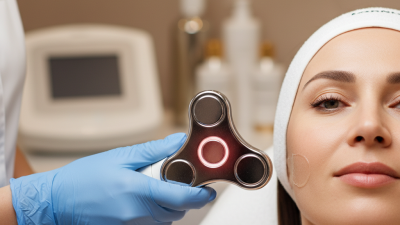
Best Tripolar RF Devices for Effective Skin Treatments?
In recent years, tripolar RF technology has gained significant traction in the beauty and skincare industry. This innovative approach leverages radiofrequency energy to target skin concerns effectively. Many users seek solutions for sagging skin and wrinkles, and tripolar RF devices promise visible results. However, navigating the market can be daunting due to various product offerings and brands.
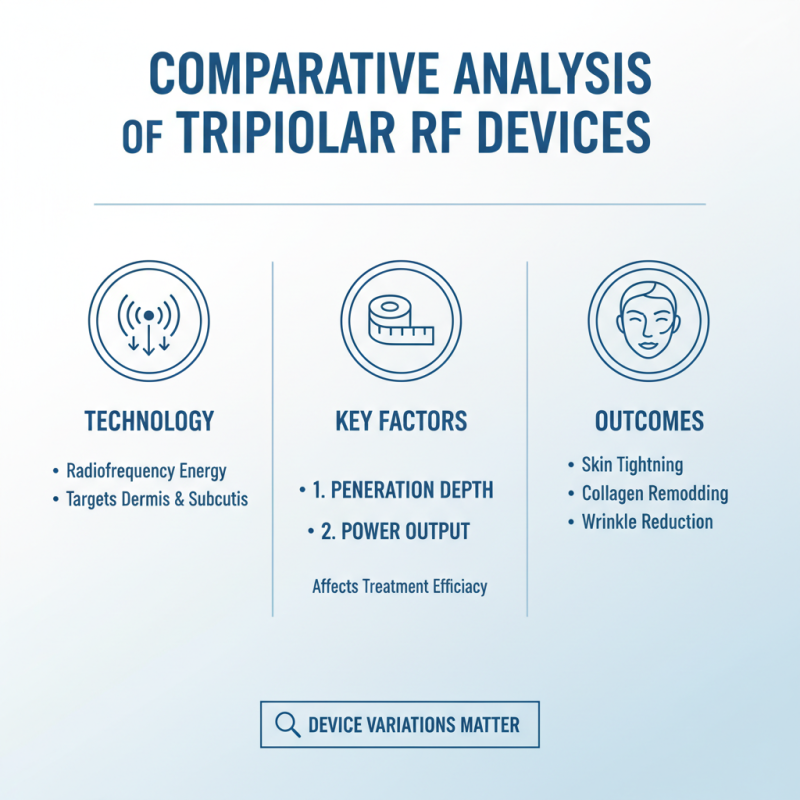
Consumer experiences vary widely. Some users report effective skin tightening and rejuvenation results within weeks. Others remain skeptical about the longevity of these results. Understanding how tripolar RF devices work is essential. These devices use a three-pole technology to deliver energy more efficiently to deeper skin layers. This method enhances collagen production, leading to firmer skin.
As technology evolves, so do the choices available. It’s vital to research and choose devices endorsed by professionals. Yet, not all devices live up to their claims. Comprehensive reviews and results from real users can help address these inconsistencies. Choosing the right tripolar RF device requires careful consideration and patience.
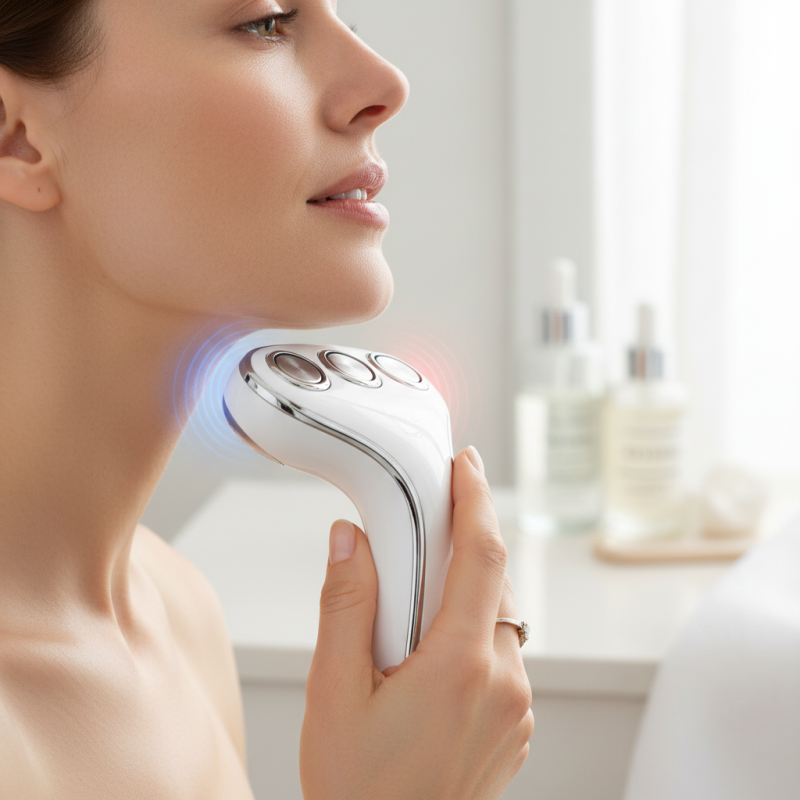
Overview of Tripolar RF Technology in Skin Treatments
Tripolar RF technology is revolutionizing skin treatments.
It utilizes radiofrequency energy to stimulate collagen production, improve skin texture, and reduce wrinkles. This method targets the dermal layer effectively, providing noticeable results with minimal discomfort.
Patients often experience heat sensation during treatment, but it is generally well-tolerated. The versatility of tripolar RF devices allows practitioners to adapt their techniques for various skin types.
Often, multiple sessions are required for optimal results. Nevertheless, some individuals may notice initial improvements after just one session.
While many clients report satisfaction, outcomes can vary. Factors such as skin condition and lifestyle choices play a significant role in effectiveness.
It’s essential to consult with a qualified practitioner to establish realistic expectations and create a personalized treatment plan. This customized approach ensures safety and enhances the potential for successful results.
Benefits of Tripolar RF Devices for Skin Rejuvenation
Tripolar RF devices have gained traction in the aesthetics field, particularly for skin rejuvenation. These devices utilize radiofrequency technology to stimulate collagen production. According to a 2021 report by the Journal of Cosmetic Dermatology, tripolar RF treatments can improve skin elasticity by up to 25% in just a few sessions. This represents a significant advancement in non-invasive skin care options.
The appeal of tripolar RF technology lies in its ability to target deeper layers of the skin. This method enhances blood circulation and promotes cell turnover, resulting in a more youthful appearance. Research published in the Dermatologic Surgery Journal indicates that patients often experience noticeable tightening after just three treatments. However, individual results can vary widely, which warrants careful consideration before starting therapy.
While tripolar RF offers promising outcomes, it’s essential to approach treatments with realistic expectations. Some individuals may not see immediate results or might require more sessions to achieve desired effects. According to a study, about 20% of patients reported dissatisfaction with gradual improvement. This highlights the importance of consulting with qualified professionals to tailor the treatment to your specific skin needs.
Best Tripolar RF Devices for Effective Skin Treatments
| Device Type |
Frequency (MHz) |
Treatment Duration |
Sessions Required |
Benefits |
| Tripolar RF Device A |
1.2 |
30 minutes |
4-6 |
Skin tightening, collagen production |
| Tripolar RF Device B |
1.5 |
45 minutes |
5-7 |
Improved skin texture, reduction of fine lines |
| Tripolar RF Device C |
1.0 |
30 minutes |
3-5 |
Firmness, reduction of sagging skin |
| Tripolar RF Device D |
1.8 |
60 minutes |
6-8 |
Enhanced circulation, reduced wrinkles |
Top Tripolar RF Devices Available on the Market
When it comes to effective skin treatments, tripolar RF devices stand out. These devices utilize radio frequency technology to stimulate collagen production. This process can help tighten the skin and improve its overall appearance. Consumers appreciate the non-invasive nature of these treatments. They often experience minimal downtime, which makes them attractive in today’s fast-paced world.
Among the various options available, some devices are noted for their innovative designs. These models often feature user-friendly interfaces. Many also include multiple treatment settings, allowing for personalized sessions. Users have expressed satisfaction with the results after consistent use. However, individual results can vary. Some may find it takes time to see significant changes. It’s also important to research and consider professional advice before selecting a device.
Many consumers report a learning curve with some tripolar RF devices. Proper technique is crucial to maximize effectiveness. Additionally, not all devices deliver the same level of intensity. Factors such as skin type and previous treatments may influence outcomes. Keeping these aspects in mind is essential for anyone interested in tripolar RF technology. While these devices offer great potential, reflection on personal needs is vital for optimal results.
Safety Considerations and Best Practices for Use
When using tripolar RF devices for skin treatments, safety should be a top priority. Before any procedure, practitioners must assess the client's skin type and medical history. This ensures that the treatment aligns with individual needs, minimizing risks. It is also essential to perform a patch test to gauge skin sensitivity.
Tips for safe use include maintaining proper hygiene throughout the procedure. This means using sterile equipment and a clean workspace. Always rotate the device evenly on the treatment area. Uneven application can lead to unexpected skin reactions. Monitoring the device’s settings is crucial. Ensure they are appropriate for the client's specific skin type and condition.
Post-treatment care cannot be overlooked. Advise clients on aftercare routines to enhance healing. They should avoid sun exposure for a few days and hydrate their skin. This helps to prevent complications such as irritation or pigmentation changes. Remember that each client responds differently. Regular follow-ups can provide insight into the treatment’s effectiveness and allow for adjustments in future sessions.
Best Tripolar RF Devices for Effective Skin Treatments
This bar chart represents the effectiveness scores of various tripolar RF devices used for skin treatments. Each device is evaluated on a scale of 1 to 10 based on user feedback and clinical outcomes.