
Need Help?

7 Tips for Choosing Surgical Dressing Pads

Choosing Surgical Dressing Pads is not a simple matter of picking the largest or most absorbent option. The right pad should suit the wound, the amount of drainage, and the care plan. A bulky pad may rub beneath a sleeve; a thin one may need changing sooner. Small details matter. Florence Nightingale, a nursing pioneer, wrote, “The very first requirement in a hospital is that it should do the sick no harm.” Her words are not specific to modern dressings, but they offer a useful reminder: comfort and patient safety belong in every choice.

This guide explores seven practical considerations, including absorbency, size, material, adhesion, sterility, and ease of removal. It also looks at how the pad will be used: on a small incision, beneath a bandage, or in a place that bends with movement. Product labels can help, but they do not replace advice from a qualified clinician, especially when a wound is changing or healing poorly. Not every pad fits. And even a careful checklist cannot predict every patient’s response; skin can be unexpectedly sensitive. The aim is not to find one “best” pad for every situation, but to compare options clearly and ask better questions. A few minutes spent checking the wound-care instructions, packaging, and fit can prevent avoidable discomfort. That is a modest step, but a useful one.
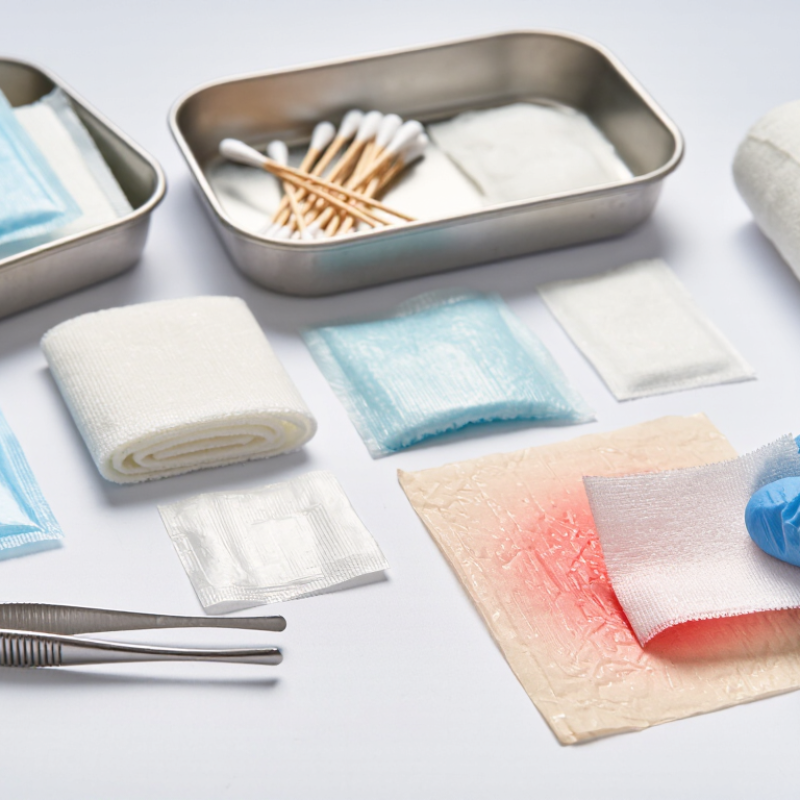
7 Tips for Choosing Surgical Dressing Pads

Assess the Wound’s Type, Size, and Healing Stage

Assess the wound before choosing a surgical dressing pad. Note its type, length, width, depth, drainage, and surrounding skin. A clean incision with little fluid needs different coverage from a deep wound with heavy exudate. Look for healthy red granulation tissue, yellow slough, or fragile new skin. Small details matter. The Agency for Healthcare Research and Quality’s pressure-ulcer toolkit reports that about 2.5 million hospitalized patients in the United States develop pressure ulcers each year. That figure underlines why careful assessment and regular reassessment matter; it does not mean every wound needs the same pad.

Tip: Match the pad to the wound’s current condition, not just its appearance on day one. For a lightly draining incision, a low-bulk absorbent pad may protect the area without trapping excess moisture. For heavier drainage, choose a pad with greater absorption, and check it often. If the wound is dry, avoid a dressing that may stick to delicate tissue. Follow the clinician’s instructions, especially when infection or deeper tissue damage is suspected.

Healing changes, sometimes quickly. Re-measure the wound and record drainage, odor, pain, and skin changes at dressing changes. A common oversight is keeping the original pad after the wound’s needs have shifted. Even careful notes can miss a changing wound, so ask a qualified clinician to review stalled healing or worsening redness.

Choose the Right Pad Material and Absorbency

The right surgical dressing pad depends on what the wound needs, not just what feels soft. Sterile gauze is breathable and can suit light drainage, but it may stick to a drying wound. Nonwoven pads often feel smoother and can absorb fluid without the same loose fibers. For fragile skin, a soft contact layer may help reduce friction during changes. Check the product instructions, since materials and intended uses differ.

Absorbency matters. A small incision with minimal drainage may need a thin pad, while heavier fluid can require a more absorbent layer. Too little capacity can leave the surrounding skin damp; too much bulk may hide leakage or make the dressing awkward under clothing. Look for strike-through, wet edges, or a pad that feels saturated. Change it according to clinical instructions, not a fixed guess. I’ve found that “more absorbent” sounds reassuring, but it is not always better. The wound’s condition can change, and appearance alone may not tell the whole story. If drainage increases, the skin becomes irritated, or the dressing keeps soaking through, ask a qualified healthcare professional to reassess the choice.

Consider Skin Sensitivity and Dressing Adhesion

Skin sensitivity can change how a surgical dressing feels after several hours. Check the surrounding skin for redness, itching, or a burning sensation, especially after removing a pad. A little pinkness may come from pressure, but spreading irritation deserves attention. Small details matter. Note whether symptoms follow the adhesive border or appear beneath the pad; that distinction can help a clinician assess the cause.

Choose a dressing that stays secure without pulling hard on fragile skin. Some pads use gentle silicone or paper-based adhesives, while others rely on stronger adhesive borders; no option suits everyone. Keep the skin clean and fully dry before application, and avoid stretching the pad across a joint, where movement can loosen the edges. Remove it slowly, supporting the nearby skin rather than tugging upward. If the dressing repeatedly lifts, leaks, or causes increasing discomfort, ask a healthcare professional about another type. Do not add creams beneath the adhesive unless advised, since they may weaken the seal. Less can be safer. Even careful choices are imperfect: sweat, hair, and frequent movement can defeat a dressing that seemed comfortable at first.

7 Tips for Choosing Surgical Dressing Pads - Consider Skin Sensitivity and Dressing Adhesion

Tip What to Check Practical Guidance Why It Matters
1 Consider skin sensitivity Check for a history of irritation, adhesive allergy, fragile skin, or reactions to dressings. Review the product materials and instructions before use. Adhesives and dressing materials can irritate some people. A suitable option may help reduce avoidable skin discomfort.
2 Match the pad to the wound drainage Consider whether the wound has little, moderate, or heavy drainage. Choose an absorbency level appropriate to the wound and change the dressing as directed. A pad that is too absorbent or not absorbent enough may not manage moisture appropriately. Wound-care guidance should determine the choice.
3 Choose the right wound-contact surface If sticking to the wound is a concern, ask a healthcare professional whether a non-adherent contact layer or a pad with a non-adherent wound-facing surface is appropriate. A non-adherent surface is designed to reduce dressing adherence to the wound, which can make removal more comfortable.
4 Check the adhesive area and strength Decide whether an adhesive-border pad is suitable or whether a non-adhesive pad secured with a separate retention method is preferable. Avoid placing adhesive over irritated or fragile skin when possible. Adhesive-border dressings can be convenient, but removal may stress sensitive skin. The best option depends on the wound location and the person’s skin.
5 Select an appropriate size Choose a pad that covers the wound and provides enough contact area for secure placement, following the product directions or a clinician’s recommendation. A suitable fit helps keep the wound covered and can reduce lifting at the edges. Wounds that are changing in size should be reassessed.
6 Consider removal and dressing changes Look for clear instructions on removal and replacement. If a dressing is difficult to remove, do not pull forcefully; seek advice about an appropriate removal method. Careful removal can help limit discomfort and unnecessary skin trauma, especially when skin is fragile or the dressing is changed frequently.
7 Check sterility and product instructions For a surgical wound, use a sterile pad when directed. Check that the package is intact, review the instructions, and follow the care plan provided by the surgical team. Using the product as directed supports appropriate wound care. Seek clinical advice if the wound becomes increasingly red, painful, swollen, or develops unusual drainage.

Note: Dressing choice depends on the wound, surrounding skin, and care plan. Follow instructions from the surgeon or healthcare professional, particularly for fresh surgical wounds.

Check Sterility, Fit, and Ease of Application

Choosing surgical dressing pads starts with sterility. Check that each wrapper is sealed, dry, and within its stated expiry date. Do not use a pad if the package is torn, damp, or open. Wash and dry your hands before handling it, and touch only the edges when placing it. Small habits matter. Follow your surgical team’s care instructions, since wound needs vary.

Fit affects comfort and coverage. The pad should extend beyond the incision without bunching under tape or pulling when you move. A pad that is too small may leave skin exposed; an oversized one can crease near a joint. Check the dimensions instead of guessing from a package photo. If drainage increases unexpectedly, contact a clinician rather than simply adding thicker layers.

Ease of application matters during dressing changes at home. Look for edges that lie flat and backing that peels away without tugging. Gather clean supplies first, then open the wrapper when you are ready. It can still feel awkward, especially with one hand or a tender area. Practice helps, but it does not replace medical guidance. Ask your care team to demonstrate the technique and explain when to change the pad.

Review Replacement Needs and Professional Guidance

After surgery, a dressing pad must suit both the wound and the care plan. Check how often it needs changing before choosing a pack size. A small wound may need few pads, while drainage can mean more frequent changes. Follow the schedule given by your surgical team. Their instructions matter more than general product advice.

Tip: Note each change. Check whether the pad stays in place, absorbs drainage, and feels comfortable against the skin. If it becomes wet, loose, or soiled, follow your care instructions for replacing it. Keep clean supplies nearby. A spare pad in a drawer can prevent a rushed choice, though I sometimes forget to restock.

Ask a nurse or clinician which pad type is suitable, especially if the wound is deep, sensitive, or draining heavily. Get guidance before switching to an adhesive or highly absorbent option. Tell your care team if the wound becomes increasingly red, warm, swollen, painful, or has an unusual odor. These changes do not prove an infection, but they deserve prompt professional advice. If the recommended schedule is difficult to manage, say so; the plan may need clarification.

7 Tips for Choosing Surgical Dressing Pads — Review Replacement Needs and Professional Guidance

A practical checklist for selecting and reviewing a surgical dressing pad.

How to use this chart: Each bar represents one checklist topic, not a clinical score or a measure of effectiveness. Choose a pad that suits the wound and its drainage, follow the product instructions and care plan for replacement, and ask a healthcare professional for guidance if the wound changes or you are unsure.