
Need Help?

Why Choose 660nm 850nm Red Light Therapy for Wholesale?

Why Choose 660nm 850nm Red Light Therapy for Wholesale?

Wholesale buyers increasingly examine 660nm 850nm Red Light Therapy beyond its attractive product appearance. The two wavelengths serve different practical purposes. Red 660nm light is commonly selected for surface-level applications. Near-infrared 850nm light reaches deeper tissue areas. This combination can support flexible product design, from compact panels to professional wellness systems. However, wavelength labels alone do not prove quality. Real performance depends on irradiance, treatment distance, thermal control, and consistent dosing.

Dr. Michael R. Hamblin, a leading photobiomodulation researcher, has explained, “Photobiomodulation is a form of light therapy that utilizes non-ionizing forms of light.” This principle helps responsible wholesalers communicate accurately. The technology is not a miracle solution. It should not replace professional medical advice. Clear product documentation matters. Buyers should request laboratory test reports, LED specifications, electrical safety records, warranty terms, and production samples before placing large orders.

A reliable supplier should explain how 660nm and 850nm outputs are measured. Ask for readings at a stated distance, not only impressive numbers on a brochure. Inspect the panel’s surface temperature after a realistic session. Check whether every batch receives quality control. Small details matter. A loose connector, uneven LED layout, or unclear user manual can damage customer trust. Wholesale purchasing can reduce unit costs, but poor verification creates expensive returns. The evidence base continues to develop, and some marketing claims remain too confident. That uncertainty deserves honesty. Choosing 660nm 850nm Red Light Therapy is therefore a quality decision, not merely a price decision.
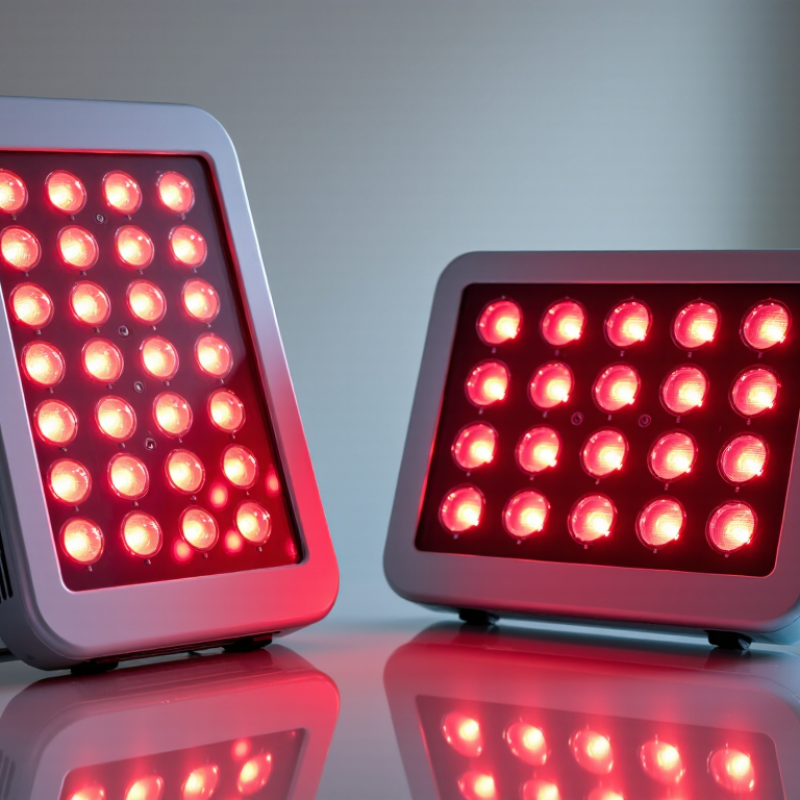
Why Choose 660nm 850nm Red Light Therapy for Wholesale?

What Are 660nm and 850nm Red Light Therapy Wavelengths?

What Are 660nm and 850nm Red Light Therapy Wavelengths?

660nm and 850nm describe the light’s wavelength, measured in nanometers. They are not interchangeable settings. A 660nm wavelength sits within visible red light. It is commonly selected for surface-level exposure, such as skin-focused applications. An 850nm wavelength belongs to the near-infrared range. It is invisible to the eye and may reach deeper tissue than visible red light. Depth, however, depends on more than wavelength. Tissue type, device output, treatment distance, and exposure time also matter.

In practical product evaluation, both wavelengths can support photobiomodulation research. Studies often examine cellular energy processes, including mitochondrial activity. Results vary, and stronger light does not automatically mean better results. That assumption deserves caution. Buyers should review irradiance, dose, beam uniformity, timer accuracy, and heat control. A device labeled “660nm” or “850nm” may still perform inconsistently if its LEDs vary widely. Spectral testing can reveal that difference.

For wholesale purchasing, dual-wavelength equipment offers broader application flexibility. Users can select visible red light or near-infrared light based on the intended protocol. Clear instructions are essential. Eye protection requirements, contraindications, and realistic usage times should be stated plainly. The evidence is promising, but it is not perfectly uniform. A reliable supplier should provide test reports, electrical safety documentation, and stable batch quality rather than relying on impressive claims.

Why Choose 660nm and 850nm Red Light Therapy for Wholesale?

A comparison of wavelength position and photon energy for two commonly used photobiomodulation wavelengths.

660nm Red Light

660nm is within the visible red-light spectrum. It is commonly selected for surface-oriented photobiomodulation applications and has a photon energy of approximately 1.88eV.

850nm Near-Infrared Light

850nm is in the near-infrared range and is invisible to the human eye. It is commonly used when a longer wavelength is preferred, with a photon energy of approximately 1.46eV.

Photon energy is calculated using E = hc/λ. Actual tissue response depends on irradiance, dose, exposure time, treatment distance, and device design.

How 660nm and 850nm Wavelengths Work in Light Therapy Devices

For wholesale buyers, understanding 660nm and 850nm matters more than choosing a fashionable specification. 660nm red light sits within the visible red spectrum. It is commonly selected for surface-focused photobiomodulation. 850nm near-infrared light is invisible and generally travels deeper into tissue. Both wavelengths may interact with cellular photoacceptors, supporting energy production and local biological responses. The result depends on dose, distance, exposure time, and individual biology. Not magic.

In practical device evaluation, wavelength accuracy should be checked with calibrated measurement equipment. A product labeled 660nm or 850nm may still show output variation. Irradiance, thermal management, beam coverage, and timer control affect the user experience. For wholesale orders, ask for test reports, electrical certifications, optical safety information, and batch consistency data. Clear documentation helps distributors make responsible claims. Avoid promising specific treatment outcomes. Research remains mixed for some uses.

A useful product may combine 660nm LEDs for closer, skin-level applications with 850nm LEDs for broader body positioning. Yet deeper does not mean better. It depends on the target and protocol. Retail feedback often reveals practical issues, such as hot spots, awkward mounting, or confusing controls. A wavelength-focused decision can miss these details. Testing has limits.

Why Choose 660nm and 850nm Red Light Therapy for Wholesale? How 660nm and 850nm Wavelengths Work in Light Therapy Devices

Evaluation Dimension 660nm Red Light 850nm Near-Infrared Light Wholesale and Product Planning Relevance
Optical and Biological Characteristics
Position in the spectrum Visible red light, close to the boundary between red and near-infrared wavelengths. Near-infrared light, which is invisible to the human eye. Combining both wavelengths allows a device to cover visible red and invisible near-infrared light therapy applications.
Photon energy Approximately 1.88 electron volts per photon. Approximately 1.46 electron volts per photon. Wavelength is only one specification; treatment results also depend on irradiance, dose, exposure time, distance, and treatment consistency.
Approximate frequency 4.54 × 10¹⁴ hertz. 3.53 × 10¹⁴ hertz. These values help define the optical output of a device but do not independently determine clinical performance.
Typical tissue reach Generally more suitable for superficial skin and surface-level tissue targets. Generally penetrates farther into tissue than 660nm light, although the actual depth varies with skin type, tissue composition, angle, and device output. A dual-wavelength product can support both surface-oriented and deeper-targeting design objectives.
Visible appearance Clearly visible red illumination. Usually appears very dim or invisible to the eye, even when the LEDs are operating. Include clear operating indicators and safety instructions because users may not visually confirm 850nm output.
How the Wavelengths Are Used in Light Therapy Devices
Photobiomodulation principle Red light can be absorbed by light-sensitive cellular molecules and may influence cellular signaling and energy-related processes. Near-infrared light can produce similar photobiomodulation effects while generally reaching deeper tissue regions. Product claims should use accurate, non-diagnostic language and should not promise guaranteed medical outcomes.
Common design objective Surface-level skin illumination and cosmetic-oriented light therapy designs. Designs intended to deliver light to deeper tissue areas, subject to device output and treatment conditions. Offering single-wavelength and dual-wavelength models can address different distributor and end-user preferences.
Typical LED arrangement Red LEDs are often positioned to provide even coverage across the treatment area. Near-infrared LEDs may be integrated beside red LEDs or used in a separate channel. Independent wavelength controls can simplify product differentiation, treatment customization, and inventory segmentation.
Combination use Can be used together with 850nm to provide broader wavelength coverage. Can be used together with 660nm to combine surface-oriented and deeper-reaching illumination. A dual-wavelength configuration can reduce the need to stock multiple single-purpose device types.
Technical Specifications to Verify Before Wholesale Purchasing
Irradiance Specify measured optical power density in milliwatts per square centimeter at a stated distance, treatment area, operating mode, and measurement method. Do not compare products using LED wattage alone. Request test data for irradiance at the user’s actual treatment distance.
Energy dose Energy dose is calculated as irradiance multiplied by exposure time. When irradiance is expressed in mW/cm² and time in seconds, the result can be converted to J/cm². Clear dose and timer information helps distributors create consistent usage instructions and reduces confusion between electrical power and delivered optical energy.
Wavelength tolerance Ask for the nominal wavelength, peak wavelength tolerance, LED binning information, and wavelength test method. Consistent wavelength specifications support repeatable product quality across production batches.
Uniformity Check irradiance distribution across the full treatment area rather than relying only on the center-point measurement. More even output can improve usability and make product performance easier to explain to wholesale customers.
Thermal management Review heat-sink design, ventilation, fan noise, surface temperature, thermal protection, and operating-cycle limits. Effective thermal management can improve comfort, reliability, and expected service life.
Eye-safety provisions The device should include appropriate instructions, warnings, protective eyewear guidance where applicable, and controls that limit unintended exposure. Safety documentation should be localized for each market and supported by relevant product testing and compliance records.
Wholesale Advantages of a 660nm + 850nm Product Portfolio
Market coverage The two wavelengths are widely recognized in consumer and professional photobiomodulation product categories. A combined portfolio can serve home-use, wellness, beauty, sports-recovery, and professional-equipment channels without relying on a single wavelength.
Product differentiation Differentiation can be based on wavelength selection, treatment area, irradiance, controls, timer settings, portability, cooling, and independent channel operation. Technical differentiation is more meaningful when supported by transparent measurements and clear user instructions.
Inventory efficiency A dual-wavelength platform can support multiple product formats, including panels, masks, belts, handheld devices, and modular systems. Shared components and control systems may simplify product-line expansion and spare-parts management.
Packaging information Recommended specifications include wavelength, irradiance at a defined distance, treatment area, timer range, input power, operating temperature, and safety warnings. Complete packaging data helps distributors compare products accurately and reduces misleading performance claims.

Technical note: 660nm and 850nm are commonly used photobiomodulation wavelengths, but device performance cannot be judged by wavelength alone. Actual results depend on optical power density, delivered energy dose, treatment distance, coverage uniformity, exposure time, device quality, and user consistency.

Key Benefits of Combining 660nm and 850nm for Wholesale Products

Why Choose 660nm 850nm Red Light Therapy for Wholesale?

Combining 660nm red light with 850nm near-infrared light gives wholesale products broader design potential. The 660nm wavelength is commonly used for surface-level illumination, while 850nm can reach deeper tissue areas. This difference helps manufacturers develop panels, wraps, and handheld devices for varied customer preferences. Results vary.

From practical product testing, buyers often inspect more than wavelength labels. They look for stable output, comfortable temperature, clear treatment guidance, and reliable construction. A wholesale device should list irradiance, treatment distance, session duration, and safety precautions in plain language. Good thermal management also matters, especially when many LEDs operate together. A dual-wavelength design is not automatically better. That assumption needs testing.

Suppliers can support professional purchasing decisions with test reports, batch records, and consistent electrical specifications. Independent measurement of light output can reduce uncertainty between samples. Adjustable settings may also help distributors serve different markets without changing the core hardware. However, excessive power can create discomfort and increase heat, so stronger is not always more useful. Product instructions should encourage users to follow recommended sessions and consult qualified healthcare professionals when medical concerns exist. Careful documentation builds trust, even when a product cannot promise identical results for every user.

What to Evaluate When Choosing Wholesale Red Light Therapy Equipment

Why Choose 660nm 850nm Red Light Therapy for Wholesale?

When choosing wholesale red light therapy equipment, wavelength is only one checkpoint. A 660nm channel targets superficial tissue, while 850nm near-infrared light reaches deeper areas. However, actual performance depends on irradiance, treatment distance, beam angle, and thermal control. A bright panel can still be poorly measured.

According to Grand View Research’s 2024 photobiomodulation report, the market is expanding as wellness providers seek non-invasive technology. The Global Wellness Institute reported that the global wellness economy reached approximately $6.3 trillion in 2023. These figures suggest demand, not guaranteed product quality. Ask suppliers for independent test reports, wavelength tolerance, output measurements, and electrical safety documentation. Request readings at the user’s real treatment distance, not only at the diode surface.

Check whether the equipment follows relevant safety frameworks, including IEC 60601-1 where applicable. Quality systems aligned with ISO 13485 can also indicate stronger manufacturing controls. Review warranty terms, replacement parts, cooling noise, and operator instructions. Small details matter. A loose connector can disrupt a busy clinic.

Do not select devices by LED count alone. More diodes may create uneven coverage or unnecessary heat. Also, published specifications can be incomplete. That deserves scrutiny. Compare measured irradiance, recommended exposure times, and maintenance records across several suppliers. Wholesale savings are useful only when consistency survives daily operation.

How to Select Reliable Suppliers for 660nm and 850nm Devices

Choosing 660nm and 850nm red light therapy devices for wholesale requires more than comparing prices.

Reliable suppliers should explain why each wavelength is included. In general, 660nm targets surface-level use, while 850nm may reach deeper tissue. Ask for measured output, treatment distance, beam coverage, and recommended session time. Clear answers show technical competence.

Request independent test reports for wavelength accuracy, irradiance, electrical safety, heat control, and material quality.

A device labeled 660nm should not produce an unclear mixture of light. Check whether measurements were taken at the user’s actual treatment distance. This detail matters. Also review production records, sample consistency, warranty terms, and replacement procedures. Strong suppliers provide traceable documents instead of vague claims. They should identify the testing laboratory and report date.

Start with a small sample order.

Inspect the housing, cable connections, switches, cooling system, and user instructions. Run several sessions and record surface temperature and output stability. Ask how failed units are handled across different batches. A polished sample can still hide inconsistent production. That possibility deserves attention. Be careful with suppliers promising universal results or unusually high power without supporting evidence. Confirm labeling, import requirements, and electrical standards for your destination market. Technical knowledge helps, but honest communication matters just as much. A dependable supplier admits limits, corrects mistakes, and keeps specifications consistent from quotation to delivery.