Need Help?

Top 10 TriPollar STOP X Types Buyers Should Know

The at-home beauty-device market is expanding, but product names can create unnecessary confusion. Grand View Research’s 2024 industry analysis identifies rising consumer interest in home-use skincare technology, including radio-frequency devices. Fortune Business Insights also reports continued growth in the broader beauty-devices market. These figures show demand, not automatic proof of performance. Buyers still need clear product information.

This guide examines the top 10 tripollar stop x types and configurations buyers may encounter. The differences can involve model generation, electrode design, treatment modes, included accessories, regional packaging, or retailer-specific bundles. Small details matter. A charging cable, conductive gel, warranty card, and user manual can change the ownership experience. More importantly, buyers should confirm whether a listing describes an official model or only a marketing variation.

Professional guidance from the American Academy of Dermatology emphasizes realistic expectations, careful instructions, and attention to skin sensitivity when using at-home devices. That advice deserves more weight than dramatic before-and-after images. Radio frequency is not a magic wand. Results can vary with age, skin condition, treatment consistency, and device handling. Some claims also sound stronger than the available evidence. That deserves reflection.

The comparisons ahead focus on practical buying signals: energy technology, treatment areas, controls, safety guidance, authenticity, and after-sales support. Buyers should check the manufacturer’s current specifications, not rely on marketplace photographs alone. The “best” option may be the simplest one to use correctly. It may also be the one with the clearest documentation. Each type is considered with that standard, while acknowledging that public product information can change across markets and release periods.
Top 10 TriPollar STOP X Types Buyers Should Know

TriPollar STOP X: Purpose, Technology, and Product Overview

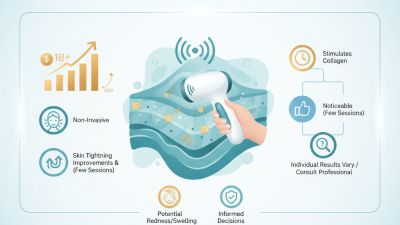
This at-home facial device is designed for people seeking firmer-looking skin and a smoother appearance. Its main purpose is cosmetic, not medical. It uses radiofrequency energy to warm the deeper skin layers gently. That controlled warmth may support collagen activity over time. Results usually develop gradually, not after one session.

The device also uses contact sensors and guided movement features. These elements help maintain skin contact and distribute energy more evenly. Buyers should follow the recommended timing and avoid holding the device in one spot.

A warm, mild tingling feeling can be normal. Sharp discomfort is not. Clean, dry skin usually provides a more consistent experience, while heavy creams may affect contact.

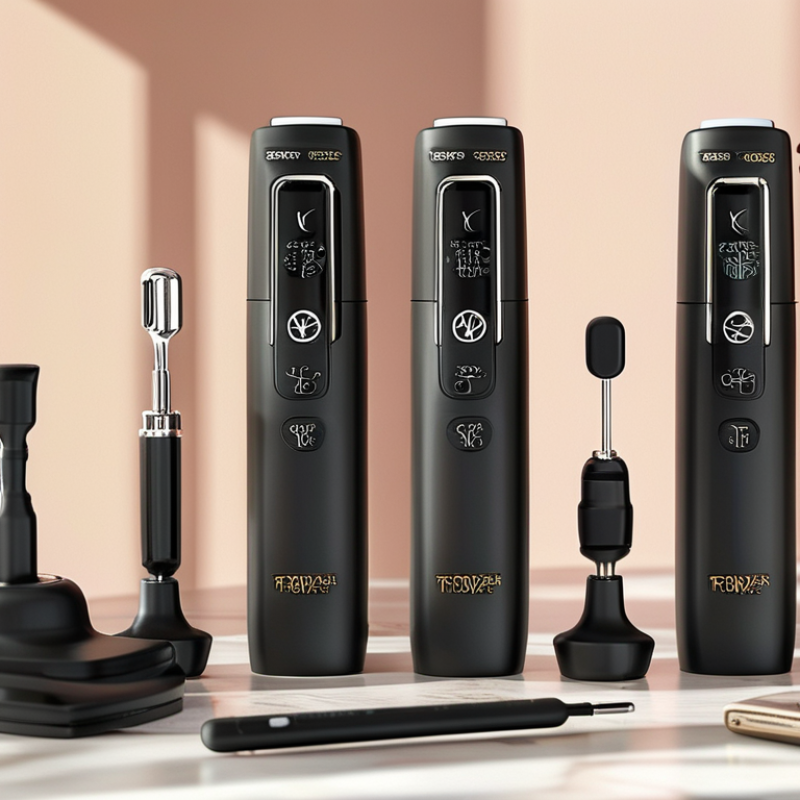
A practical product overview includes the handheld unit, charging system, treatment head, and usage instructions. Some versions may offer different intensity levels or treatment modes. Check the exact package before purchase.

People with sensitive skin should test a small area first. Users with implanted electronic devices, active skin conditions, or recent cosmetic procedures should ask a qualified healthcare professional before use.

Marketing often suggests dramatic changes, but real outcomes vary with age, skin condition, technique, and consistency. That part deserves honest reflection. More power does not always mean better care.

The Main TriPollar STOP X Types and Their Key Differences

The main types of handheld radio-frequency facial devices differ by power level, treatment area, and control design. Entry-level versions usually offer one energy setting and a smaller treatment head. They suit occasional users who want a simple routine. Advanced versions may provide adjustable intensity, faster heating, and wider contact surfaces. These features can shorten sessions, but they may also require more careful handling.

Compact models are easier to store and carry. Their smaller heads work well around the nose and jawline, although coverage can feel slow. Full-size models cover the cheeks and forehead more efficiently. Some versions include separate modes for warming, firming, or conductive gel use. Buyers should check whether accessories are included, rather than assuming every package is identical.

I once focused too much on appearance and ignored charging time. That was a mistake. A device that needs frequent charging may disrupt a regular schedule. Look for clear instructions, adjustable heat, automatic shutoff, and accessible customer support. Skin sensitivity also matters. Lower settings may be more comfortable for beginners, while experienced users may prefer gradual increases. Results vary, and stronger heat does not automatically mean better care. A warm cheek is noticeable; a proven long-term change is harder to judge.

How TriPollar STOP X Models Compare by Skin Concern

Ten At-Home Facial Device Types Compared by Skin Concern

Buyers often compare devices by appearance, but the treatment goal matters more. For fine lines, radiofrequency models may provide gentle warming and support a firmer-looking surface. For mild laxity, choose a device with controlled energy and consistent skin contact. Results usually appear gradually, not after one dramatic session. Skin needs time.

For dullness, models combining warming energy with red-light therapy may improve the look of tired skin. Textured skin may benefit from options designed for steady, even contact. Sensitive skin needs lower settings, shorter sessions, and clear temperature controls. Dry skin may feel more comfortable with a hydrating conductive gel. Oily or blemish-prone users should check whether the device suits active breakouts. Heat can feel unpleasant on irritated areas.

Devices for uneven tone require extra caution. Heat and light are not automatically suitable for every complexion or pigment concern. A model with adjustable intensity may offer better control, but stronger is not always better. Buyers should review clinical evidence, safety instructions, and contraindications. Avoid treating broken skin, severe inflammation, or suspicious lesions. Professional advice is sensible during pregnancy, with implanted electronic devices, or while using photosensitizing medication. I initially assumed more treatment modes meant better value. That was too simple. Easy cleaning, comfortable handling, and reliable customer support often matter more than a crowded feature list. The ideal choice matches one concern, one routine, and realistic expectations.

Top 10 At-Home RF Device Types Buyers Should Know

How common device configurations compare by skin concern

Ratings indicate the practical suitability of each device configuration for a specific skin concern on a 1–5 scale. Radiofrequency is primarily associated with temporary warming and collagen-remodeling support, while LED, cooling, massage and microcurrent features target different skincare goals. Scores are comparative guidance rather than clinical treatment outcomes.

Features Buyers Should Check Before Choosing a STOP X Device

Buyers comparing home radiofrequency devices should examine more than appearance and advertised intensity. The ten common device types vary by treatment area, electrode layout, and energy delivery. Check whether the head suits the face, jawline, neck, or body. A compact head may improve control around the nose. It may also make larger areas frustratingly slow.

Review adjustable energy levels, session timers, temperature monitoring, and skin-contact sensors. These features can support more consistent use, especially for beginners. Clear instructions should explain movement speed, conductive gel requirements, cleaning, and storage. Avoid devices with vague claims or missing technical information. Independent safety testing is more reassuring than polished product photography.

Comfort deserves careful attention. Hold the device for several minutes and notice its weight, grip, cable position, and heat. A powerful unit is not automatically a better choice. Some users may prefer gentler settings and shorter sessions. Others may need a broader head for practical coverage. Check charging time, battery life, replacement parts, warranty terms, and the seller’s return policy. These details often matter after the excitement fades.

Read the contraindications carefully.

Results can vary. Skin sensitivity, routine, and technique all influence the experience. I would not choose solely by price or maximum energy, because that comparison misses daily usability. A device that feels awkward may remain in its box. That is an imperfect but realistic buying lesson. Look for transparent specifications, responsive customer support, and guidance that encourages professional advice when skin concerns are persistent or unusual.

Top 10 TriPollar STOP X Types Buyers Should Know - Features Buyers Should Check Before Choosing a STOP X Device

No. Device Type or Configuration Typical Treatment Area Key Features to Check Buyer Benefits Important Limitations
1 Facial RF Device Cheeks, jawline, forehead and other facial areas Radiofrequency technology, adjustable intensity, skin-contact sensor and insulated treatment head Designed for targeted home facial treatments and controlled movement around facial contours Small treatment heads generally require more passes than larger body applicators
2 Face-and-Neck Configuration Face, jawline and selected neck areas Head shape, recommended treatment zones, cable flexibility and treatment timer Provides greater coverage than a facial-only format while remaining suitable for detailed work The neck is sensitive; buyers should follow the supplied area restrictions and instructions
3 Compact Travel Format Small facial areas during travel or short sessions Device weight, storage case, power requirements, charging method and voltage compatibility Easier to store and transport than larger wired systems Compact devices may have a smaller treatment surface or fewer controls
4 Corded Home-Use Format Facial treatment near a power outlet Cable length, adapter certification, plug type, operating instructions and warranty coverage Consistent power availability can support longer routine sessions The cable may limit movement and should not be stretched or bent sharply
5 Rechargeable Wireless Format Facial areas where flexible handling is preferred Battery capacity, charging time, operating time, charge indicator and battery replacement policy Offers greater freedom of movement during treatment Performance may be interrupted if the battery is low; charging requirements should be checked
6 Multi-Intensity Configuration Different facial zones and varying comfort preferences Number of power levels, control layout, automatic shutoff and clear intensity indicators Allows users to begin at a lower setting and adjust gradually Higher intensity is not automatically better; comfort and approved usage are essential
7 Temperature-Monitored Configuration Facial areas requiring controlled warmth Temperature feedback, heat-control system, automatic reduction and overheating protection Helps maintain a more controlled treatment experience Users should stop if excessive heat, pain or prolonged redness occurs
8 RF-and-LED Combination Format Facial skin where multiple energy technologies are offered RF operating mode, LED wavelength, eye-safety guidance, mode controls and contraindications Combines different treatment technologies in one device format LED functions and safety requirements vary; eye protection instructions must be followed
9 Precision-Head Configuration Around the nose, mouth, jawline and other contoured areas Applicator width, smooth edges, contact stability and ability to avoid restricted areas Improves handling around smaller or curved facial zones Small heads cover less skin per pass and may increase total treatment time
10 Routine-Focused Home System Regular facial-care routines at home Treatment schedule, session duration, conductive-gel requirements, cleaning method and service support Makes it easier to compare daily usability, maintenance and long-term ownership needs Results depend on correct use, consistency and individual skin condition; the device is not a medical substitute

Buyer checklist: Confirm the intended treatment area, energy technology, intensity controls, safety features, treatment schedule, power source, cleaning requirements, warranty terms and any contraindications before purchase.

How to Select the Right TriPollar STOP X Type for Your Needs

Choosing the right home facial device starts with your skin goals, not the most expensive type. Different versions may vary in energy level, treatment area, attachment design, and control settings. A model with gentle intensity can suit sensitive or dry skin, while stronger settings may appeal to users focused on visible firmness. However, stronger does not always mean better.

Consider your routine carefully. If you travel often, choose a lighter device with simple controls and reliable battery life. For regular home use, an ergonomic handle and clear treatment timer matter more. Check whether the head fits comfortably around the cheeks, jawline, and forehead. Read the manual before use, especially if you have reactive skin or use active skincare ingredients. Professional guidance is sensible when uncertainty remains.

Tips: Test the lowest setting on a small area first. Keep the skin clean and follow the recommended contact time. Stop if you notice burning, swelling, or lasting redness. Take photos in similar lighting every few weeks, because memory can exaggerate small changes. I have found that consistency is harder than choosing the device. That part is easy to underestimate. Also, product descriptions can sound impressive while hiding practical limits, so compare specifications carefully and avoid expecting clinical results from home equipment.